How Denver Outdoor Dining Permits Work for Summer 2026 Patios and Pop-Ups
The city runs three distinct permit tracks for patios, parklets, and pop-ups. The deadlines to hit Memorial Day are closer than you think.

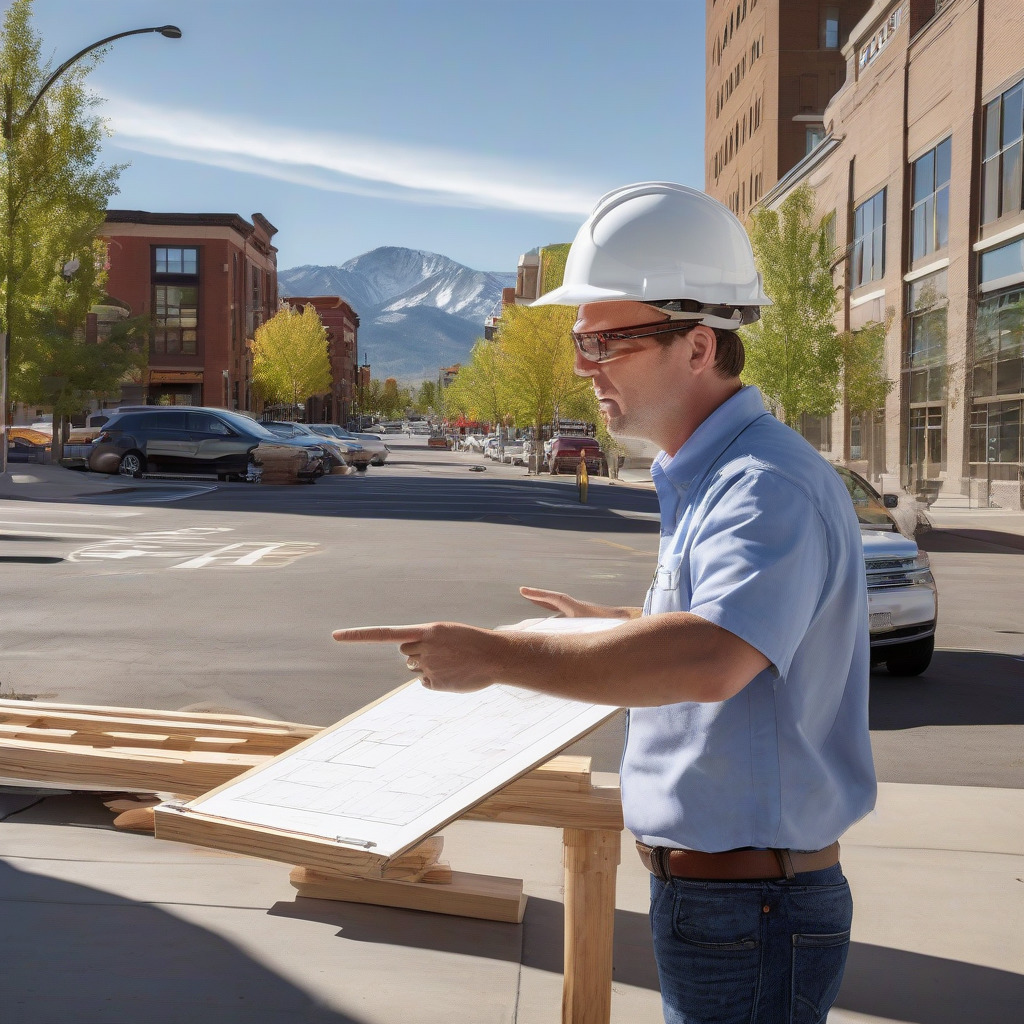
The city runs three distinct permit tracks for patios, parklets, and pop-ups. The deadlines to hit Memorial Day are closer than you think.
Every spring, Denver restaurateurs and food operators lose weeks of peak outdoor season to permit timelines they didn’t see coming. The most common pattern: an operator assumes one form goes to one agency, submits in May, and watches Memorial Day weekend pass with a site plan still under review. Public Works is a separate step from Excise & Licenses. The liquor piece runs on its own state-level timeline. By the time everything clears, it’s mid-June — and you’ve lost the best three weekends of your early season.
This guide walks through every permit track, every agency touchpoint, every fee, and every hard deadline standing between your summer patio concept and an open sign.
If a summer 2026 patio, parklet, or pop-up is part of your business plan, start now. Not next month. Now.
Step One: Figure Out Which Permit You Actually Need
The single biggest source of confusion in Denver’s outdoor dining permit system is the assumption that one permit covers everything. It doesn’t. Denver runs three distinct permit tracks, and applying for the wrong one wastes weeks. This happens constantly, and it’s almost always avoidable.
The Sidewalk Café Encroachment Permit is the standard setup. Tables and chairs on the public sidewalk within the city’s right-of-way — this is the most common outdoor dining format in Denver. Denver Public Works, Right-of-Way Services administers it. It renews annually. Any operator who wants to use the public sidewalk adjacent to their establishment for permanent or semi-permanent outdoor seating needs this permit.
The Expanded Outdoor Dining (EOD) Program is different. It’s a joint process between Excise & Licenses and Public Works that allows dining in converted on-street parking lanes or an expanded sidewalk footprint exceeding standard encroachment limits. The program began as a COVID-era emergency measure, and Denver City Council voted to make a modified version permanent. This is the “parklet” track: the program that turns a parking space or two into a dining platform. It involves a traffic control plan, a safety enclosure, and a monthly right-of-way occupancy fee per converted parking space. This is not the same as the Sidewalk Café Encroachment Permit. Different agencies. Different timelines. Different fee structures. You don’t get to mix and match.
Temporary and Special Event Permits cover short-term activations. Food trucks operating in a fixed pop-up format, one-day to 30-day activations on public right-of-way, and certain private-lot food events all fit here. Depending on whether your pop-up involves a structure, a food truck, or just tables on private property, the applicable permit shifts among a Special Event Permit, a Temporary Certificate of Occupancy, a Mobile Food Vendor permit from Excise & Licenses, or a zoning review for fully private parking lot activations.
Identifying your correct track before anything else saves you from filing the wrong application, paying the wrong fee, and getting routed to the wrong agency. All of which happen regularly, and all of which eat time you don’t have.
Step Two: Apply for a Sidewalk Café Encroachment Permit
The Sidewalk Café Encroachment Permit is where most Denver food operators start. For straightforward sidewalk geometry, the process is manageable — but “manageable” is doing some work in that sentence.
Applications go through Denver’s eBuild portal. Confirm the current URL at denvergov.org/permits before submission, as the city has migrated permit systems in recent years. The application requires a site plan drawn to scale that shows the full sidewalk width, your proposed café area, furniture placement, any barriers or planters, and the ADA-compliant pedestrian clearance path. Denver requires a minimum five-foot unobstructed clear path on the sidewalk at all times; confirm the current standard with Public Works before finalizing your plans.
The permit renews annually. Don’t assume last year’s approval carries forward automatically. It doesn’t.
Here’s where Denver’s geography starts to matter. The city’s sidewalks are not uniform, and location can make or break your café layout before you’ve ordered a single chair. The Capitol Hill and Colfax Avenue corridor presents particular challenges — the city’s bus-stop clearance requirements mean many blocks have reduced usable sidewalk footage once transit zones are factored in. Operators sometimes discover after measuring that they cannot fit a compliant café layout at all. LoHi has its own complications: several blocks along the residential edges have narrow right-of-way widths that make the five-foot clearance path and a useful café footprint mutually exclusive without creative furniture configuration. RiNo operators often find this permit’s geometry works more readily in their favor, thanks to industrial-era street widths and former warehouse frontages that provide more generous sidewalk footage.
Any structural element — a pergola, a fixed awning, a trellis — shifts the application into building permit territory. Barriers and planters used solely as decorative or safety delineation generally don’t trigger additional review. The moment you attach something overhead, a second review layer enters the picture.
Step Three: Apply for the Expanded Outdoor Dining Program
Converting on-street parking lanes into a dining platform — what most people loosely call a parklet — puts you in the Expanded Outdoor Dining program. This is where the process gets more complex, and honestly, where operators most often underestimate what they’re getting into.
The EOD program runs jointly through Excise & Licenses and Public Works. The historical renewal window for summer activation has opened in January and February. For summer 2026, verify the current cycle directly with Denver Excise & Licenses at 720-865-2900 before making any assumptions. Program timelines have shifted across years as the city has refined the permanent program’s administration. You cannot afford to assume the 2025 window applies to 2026 without confirming.
The EOD application requires a traffic control plan and safety enclosure plan in addition to the standard site plan. Any conversion of an on-street parking lane requires demonstrating how vehicle traffic is protected from the dining area, what physical barriers will be used, and how emergency access is maintained. These plans add both preparation time on your end and review time on the city’s end. They’re not complicated documents, but they do require someone to actually produce them.
On high-demand corridors, parking lane assignments operate on a first-come basis. West 32nd Avenue in LoHi and RiNo’s Larimer Street corridor are the two stretches where competition for available parking space conversions is most acute. Early submission isn’t just good practice on those blocks — it’s functionally necessary if you want a specific location.
LoDo and Larimer Square applicants face an additional layer that operators in other neighborhoods don’t. Any structural element associated with your EOD setup — umbrellas mounted on bases, pergolas, planter walls, fencing with decorative elements — may require review from Denver’s historic preservation staff under the Lower Downtown Historic District standards. This adds time to an already compressed timeline. Operators in these districts should budget for it explicitly when building their submission calendar.
The monthly right-of-way occupancy fee per converted parking space was waived during the COVID emergency period. A fee has been reinstated for the permanent program. Verify the current rate with Public Works or Excise & Licenses directly — it’s the variable most likely to affect your financial model and the one least reliably reflected in publicly cached documents. The number you need for your budget should come from an authoritative current source, not a figure that may be a year or two out of date.
Step Four: Handle Pop-Up and Temporary Activation Permits
“Pop-up” is one of the most loosely used words in food and beverage, and that looseness causes genuine regulatory confusion for first-time operators. Denver’s permit system doesn’t have a single “pop-up permit.” What you need depends entirely on what you’re doing, where you’re doing it, and whether a structure is involved.
A food truck in a fixed pop-up format on public right-of-way requires a Mobile Food Vendor permit from Excise & Licenses, plus any site-specific Public Works approval required for the specific location. The Mobile Food Vendor permit covers the vehicle itself. Operating at a specific public location may require separate ROW coordination depending on the block and duration.
One-day to 30-day activations on public right-of-way map to a Special Event Permit if they involve a public gathering with vendors, entertainment, or temporary structures. If the activation involves a structure — a tent, a canopy with sides, any temporary building element — a Temporary Certificate of Occupancy from Building Inspections enters the picture. These are not interchangeable. Applying for one when you need both leaves you non-compliant.
Private parking lot or private property activations sit outside the Public Works permit system, but not outside city oversight. Zoning compliance governs what uses are permitted on that parcel, and a zoning review determines whether your activation is permissible at all. Verify the specific parcel’s zoning before committing to a private-lot pop-up location.
Do not use the word “pop-up” in a conversation with a permit coordinator and assume they know what you mean. Describe specifically what you’re doing — location type, structure type, duration, food service model. Let the coordinator map you to the correct instrument. This sounds obvious, but it’s genuinely the piece that goes wrong most often.
Step Five: Know Your Fees and Build Your Timeline
The financial picture for outdoor permits is manageable, but only if you’ve identified the correct track and accounted for all the pieces upfront.
For the Sidewalk Café Encroachment Permit, the historical annual fee ranges from $175–$350, scaled by square footage. Verify the current figure against the Public Works fee schedule at denvergov.org before budgeting, and take a screenshot with the date. Fee schedules update, and you want documentation of the figure you planned against.
For the Expanded Outdoor Dining program, there’s a per-parking-space monthly ROW occupancy fee in addition to the application fee. Confirm the current reinstated rate directly with the city. It’s the variable most likely to affect your financial model and the one least reliably reflected in publicly cached documents.
Special Event and Temporary permits run base fees from $50–$200 depending on event type and duration. If a Temporary Certificate of Occupancy is required for a structure, that fee runs separately through Building Inspections.
Denver Public Works has a standard review window of four to six weeks for Sidewalk Café Encroachment applications with complete, clean submissions. Applications that require revision, come in with incomplete site plans, or need additional neighborhood or historic district review take longer. Sometimes significantly longer. The EOD program, with its traffic control plan requirement, runs on the longer end of that window and sometimes beyond it when staff capacity is constrained in spring — which it reliably is.
The Colorado Liquor Enforcement Division’s Modification of Licensed Premises takes 30 to 60 days at the state level, independently of the city process.
Working backward from Memorial Day weekend 2026 — Monday, May 25 — and accounting for a four-to-six-week Public Works review plus the LED liquor timeline running in parallel, operators need to be in the application queue by late March 2026 at the absolute latest. Early April is the outer edge. If you’re in a neighborhood with additional review layers — LoDo, Larimer Square, any residential-adjacent zone with neighbor notification requirements — move that deadline back to mid-March. The math isn’t forgiving. It doesn’t move on your schedule. Submit late, miss the window.
Step Six: Handle the Alcohol Complication Before It Stalls You
Outdoor liquor service is not automatically covered by your existing restaurant or bar license. If you want to serve alcohol on your new patio, parklet, or expanded sidewalk area, you must file a Modification of Licensed Premises with the Colorado Liquor Enforcement Division. This is a state-level process administered by the LED (303-205-2300), distinct from Denver Excise & Licenses and running on its own 30-to-60-day timeline. Plenty of operators discover this late and end up opening a dry patio for the first month of summer. Don’t be that operator.
The technical requirement that creates the most friction: the outdoor area must qualify as a contiguous, enclosed extension of the licensed premises. Enclosed is the operative word. It creates a genuine design tension with the EOD program and parklet formats specifically, because those designs are intentionally open to the street. To satisfy the LED’s enclosure requirement, operators typically use a combination of planters, railing systems, and fencing to create a defined perimeter around the outdoor service area. Those same physical enclosure elements must appear on your Public Works site plan and must satisfy the ROW clearance and safety requirements of the EOD application simultaneously. Designing a fencing or railing configuration that satisfies both the state’s licensed-premises enclosure standard and the city’s right-of-way requirements is a real coordination task. Not an afterthought.
Denver Excise & Licenses must separately approve any expansion of the local licensed premises footprint, so even after the state LED approves your modification, there’s a local approval step.
Neighborhoods with residential adjacency add another variable. Parts of LoHi — particularly the blocks closest to the single-family residential streets to the north of West 32nd — and portions of South Broadway in Baker have historically had neighbor-notification conditions attached to outdoor permits, particularly when alcohol service is involved. Neighbor notification periods add time to the process. Active neighbor opposition can result in conditions being placed on your permit that restrict service hours or require operational modifications. Budget time for this if your location is in or near a residential zone.
Step Seven: Understand Noise, Hours, and Operational Restrictions
A permit in hand is not blanket permission to operate however you like. Denver’s outdoor dining permits come with operational compliance obligations that govern your patio for as long as it’s open.
Denver’s noise ordinance (DRMC Chapter 36) sets commercial zone thresholds at approximately 65 decibels during daytime hours and 60 decibels during nighttime hours. Verify the current thresholds against the current ordinance text before your summer season. For most outdoor dining operations — ambient conversation, background music from interior speakers drifting out — these thresholds aren’t a significant issue. The moment you introduce amplified outdoor sound, live music, or DJ performance, noise compliance becomes an active management obligation.
South Broadway deserves a specific mention. The corridor has a documented history of noise complaints from residential uses above and behind the commercial storefronts, and those complaints have historically translated into conditions placed on permit renewals — earlier outdoor service cutoffs, restrictions on amplified sound, requirements for sound barriers. If you’re on South Broadway and planning any amplified outdoor programming, address it in your permit application proactively rather than in response to a complaint after the fact.
In general, your outdoor licensed service hours track your indoor license hours. In residential-adjacent zones, zoning conditions may narrow those hours specifically for outdoor operations. This is particularly relevant for LoHi operators on the residential edge and for any operator in a mixed-use zone with residential uses directly above or adjacent. Review your zoning conditions before assuming your outdoor hours match your indoor hours. As part of our business & professional coverage, we track regulatory changes affecting Denver food and hospitality operators throughout the year.
Denver Weather: Practical Realities for Your Site Plan
Denver’s reputation for 300 sunny days a year is broadly accurate and genuinely favorable for outdoor dining economics. But that number obscures some real operational challenges, and optimism about sunshine won’t help you when guests are sprinting for cover.
June through August is peak afternoon thunderstorm season on the Front Range. These aren’t the slow-building storms of a Southern summer afternoon — Denver’s afternoon convective thunderstorms develop within an hour, bring lightning, gusty wind, and hail, and clear entirely within 30 minutes. May through August is also peak hail season. A patio without a contingency plan for rapid clearing isn’t just an uncomfortable place for guests during a storm. It’s a liability.
A few practical items should be resolved before your site plan is finalized, not after:
Any overhead structure — a permanent pergola, a fixed shade sail with structural posts, a trellis with a roof element — may constitute a “structure” under Denver’s building code. This triggers a building permit review in addition to your ROW or EOD permit. If shade infrastructure is part of your design, address it with Building Inspections early. Unpermitted structures on ROW are a compliance issue that can result in permit revocation.
Propane patio heaters require a separate fire marshal permit from Denver Fire. Denver’s shoulder seasons are real — an October evening on a well-equipped patio is a viable dining environment — but confirmation of requirements must come from Denver Fire Department before procurement, not the week before you want to deploy them.
Denver’s Front Range wind events — particularly the spring and fall Chinook conditions — mean any tent, shade canopy, or freestanding umbrella needs engineered anchoring. This must be addressed in your Public Works site plan. An unsecured canopy in a spring windstorm is both a safety issue and a permit compliance failure.
At 5,280 feet, Denver’s ultraviolet index is materially higher than at sea level. Shade infrastructure isn’t an amenity for your patio; it’s a functional necessity for customer comfort during midday summer service. Operators who underinvest in shade on Denver patios typically discover this problem through customer behavior — shortened table turns, midday dead zones, negative reviews — rather than through permits. Account for it in the design.
Contacts, Links, and Where to Start Today
Denver eBuild / Permit Portal: denvergov.org/permits. Confirm the direct application URL is current and that outdoor dining permit categories are active in the system. The city has updated its portal infrastructure in recent years.
Denver Public Works ROW Services: Contact via 311 or through the Public Works direct line listed at denvergov.org/publicworks. For specific questions about sidewalk café site plan requirements, ROW clearance standards, and EOD traffic control plan expectations, a pre-application conversation with a ROW coordinator is worth the time. Genuinely — this call can save you a revision cycle.
Denver Excise & Licenses: 720-865-2900. This is your contact for the EOD program joint workflow, Mobile Food Vendor permits, local licensed premises expansion approval, and confirmation of the current EOD renewal calendar for summer 2026.
Colorado Liquor Enforcement Division: 303-205-2300. State-level contact for Modification of Licensed Premises applications. Call early. The LED’s processing window is 30 to 60 days, and that timeline doesn’t compress because your opening date is fixed.
Denver Public Works and Excise & Licenses fee schedules: Available at denvergov.org. Screenshot and date-stamp the fee schedule pages you rely on before submission. Fee schedules update, and you want a contemporaneous record of the figures you built your budget against.
Denver Fire Department (permit queries for propane and heating equipment): Contact through the Denver Fire prevention line for requirements on patio heater deployment.
The process detailed in this guide involves multiple city agencies, a state licensing division, and permit tracks that interact in ways that aren’t always obvious from the individual agency websites. The Denver Restaurant Alliance has served as a practical resource for operators working through multi-agency processes, and their member network includes operators who’ve completed every track described here. If you’re doing this for the first time, that peer knowledge is valuable alongside the official sources. There’s a meaningful difference between reading a process document and talking to someone who spent last March navigating it.
The window to hit Memorial Day weekend 2026 is open right now. By late March, for most operators, it will be closed.
Fees, URLs, and procedural details cited in this article should be confirmed directly with Denver Public Works, Denver Excise & Licenses, and the Colorado Liquor Enforcement Division before submission. Agency processes, fee schedules, and portal platforms are subject to change. CityDesk Denver will update this guide as 2026 program details are confirmed.