How Short-Term Rental Rules in Denver Affect Small Property Owners in 2026
From the primary residence requirement to license renewals, HOA conflicts, and real enforcement numbers, here's what small-scale hosts need to know before they list.

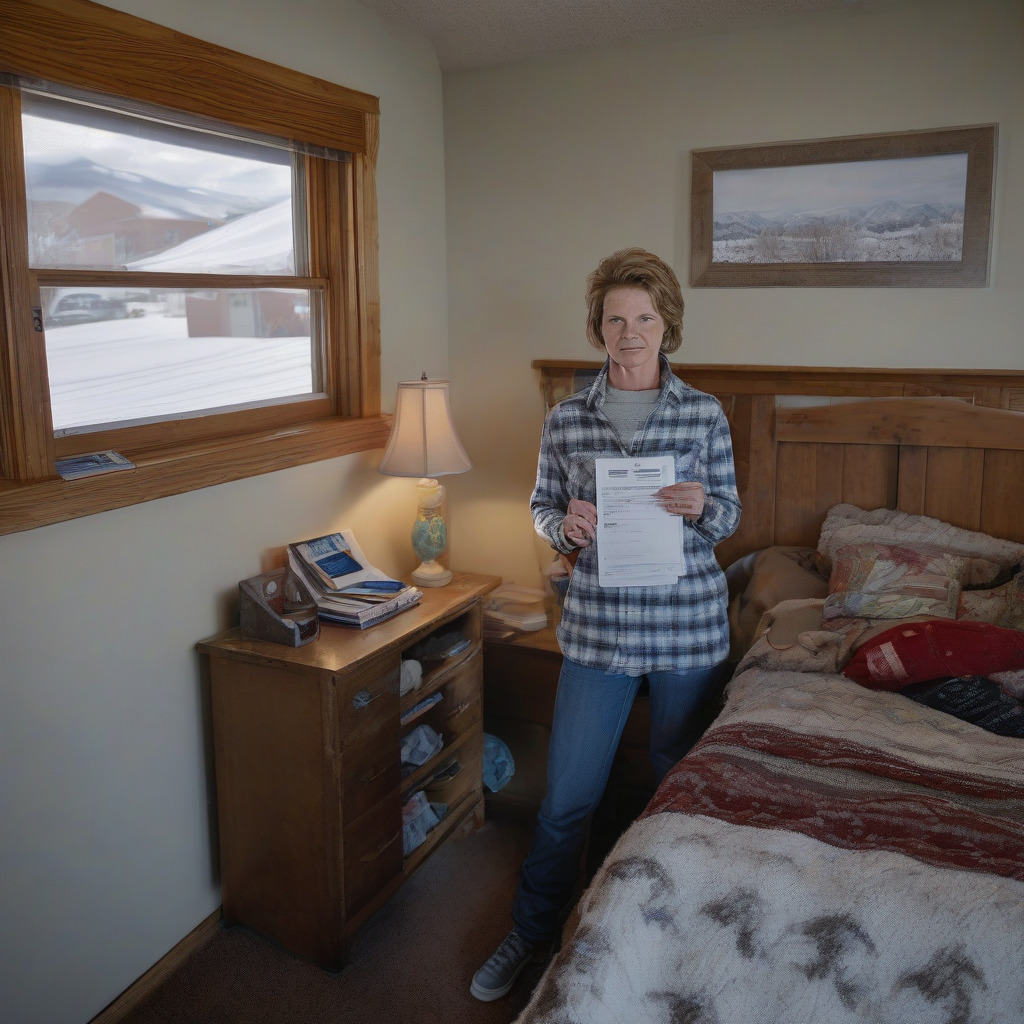
From the primary residence requirement to license renewals, HOA conflicts, and real enforcement numbers, here’s what small-scale hosts need to know before they list.
If you own a home in Denver and you’re thinking about putting a spare bedroom or a backyard ADU on Airbnb, the first question the city will ask is not about parking or noise. It’s whether you actually live there.
That single requirement — the short-term rental must be the operator’s primary residence — is where most one-unit hosts in Denver run into trouble. It’s the foundational rule of Denver’s STR ordinance, and it disqualifies a significant share of people who apply, often after they’ve already listed the property and started taking bookings. Yes, in that order. List first, read the rules second. It happens constantly, and it’s an expensive way to learn.
This piece covers what Denver’s rules actually require in 2026, where small operators most commonly fail, and what enforcement looks like in practice. It’s written for the host running one or two units out of a property they live in — not for the investor managing a portfolio. Those are meaningfully different legal situations, and most coverage treats them as the same thing, which helps neither audience.
The Primary Residence Requirement Is the Whole Game
Denver’s STR ordinance is explicit about what “primary residence” means, and it uses multiple cross-checks to verify it.
Your Colorado driver’s license or state ID must list the property address. Voter registration must match. The address must align with your tax filings. If you’ve recently moved and haven’t updated your ID yet, that’s a problem worth solving before you apply — not something to flag in a cover letter and hope the reviewer overlooks.
Some situations are flat disqualifiers. If you live in Washington Park and own a rental property in RiNo, you cannot license the RiNo unit. You also can’t license the Washington Park home if your documentation suggests you’re actually living somewhere else. The license follows the person’s primary address, not the property someone most wants to monetize.
The LLC issue is consistently underreported. Denver does not issue STR licenses to limited liability companies, corporations, or other business entities. The license must be held by a natural person who lives at the address. Investors who placed their properties into LLCs for liability reasons — standard legal advice in Denver’s real estate market, and often the right call in isolation — have to unwind that structure for any property they intend to license as an STR. Otherwise they’re categorically ineligible. I don’t think there’s an obvious right answer here; it depends on your risk tolerance and how your portfolio is structured. But the tension is real, and no one should be surprised by it after the fact.
ADUs: The Parcel Rule and Why It Matters Now
The fastest-growing source of license confusion in Denver involves accessory dwelling units — the backyard cottages, basement apartments, and above-garage studios that the city’s post-2023 zoning reforms made considerably easier to build. That’s been genuinely useful in a city with Denver’s affordability pressures. Homeowners who’ve added secondary units often assume they can immediately list them on Airbnb. (If you’re still weighing whether to build, what it actually costs to construct an ADU in Denver right now is worth understanding before the licensing question even comes up.)
Denver’s STR ordinance applies a parcel-occupancy rule to these situations. The licensed operator must live on the same parcel as the short-term rental. They don’t need to live in the unit being rented. So if you own a single-family home with a backyard cottage and you live in the main house, you can potentially license the cottage. If you live in the cottage and rent the main house long-term, you can potentially license the cottage, since it’s your primary residence. What you cannot do is live off-site and license either unit — full stop, regardless of how responsibly you plan to manage it.
There’s also a zoning question that comes before the STR question, and this is where people skip a step and regret it. Denver’s zoning code and its STR ordinance are separate regulatory frameworks. If you have a new ADU, confirm with Denver Community Planning and Development that your specific zone district allows the intended use before starting the license application.
[Editor’s note: Verify current ordinance language and any 2024–2025 amendments regarding ADU STR eligibility directly with Denver Excise and Licenses at denvergov.org/business/excise-and-licenses before relying on this section for compliance decisions.]
Getting and Keeping the License
Assuming you clear the primary-residence hurdle, the licensing process runs through Denver’s Excise and Licenses division. The online application requires the primary-residence documentation described above, proof of ownership or authorization if you’re renting, a local contact designation for the Denver metro area, and the application fee. The fee has been reported at $25 for initial applications — low by any measure compared to what other cities charge. Verify the current 2026 fee schedule at denvergov.org/business/excise-and-licenses before submitting, because Excise and Licenses has revised its fee structure in recent years and the figures circulating in online STR communities are not always current.
STR licenses in Denver are annual. They don’t renew automatically. You must initiate renewal, resubmit documentation, and pay before your existing license expires. A host who lets the license lapse in July — when Red Rocks concert season and summer tourism demand are both at their peak — is running an unlicensed operation during exactly the stretch when revenue is highest and complaint-driven exposure is also highest. A lapsed license isn’t a paperwork technicality. It’s the same legal status as someone who never applied.
The license number must appear on every platform listing. Airbnb and VRBO both have dedicated fields for it. An active, correctly displayed license number is part of the listing. File it away and forget about it and you’ll eventually have a problem.
Platform Remittance Does Not Complete Your Compliance
Both Airbnb and VRBO collect and remit Denver’s lodger’s tax on behalf of hosts as marketplace facilitators under Denver and Colorado law. Denver’s city lodger’s tax rate is 10.75%; combined with applicable state and local taxes, the effective rate on a Denver STR booking typically runs above 15%. Platforms handle that automatically, and many hosts conclude their tax obligations are fully covered.
They’re not. This is a trap I see hosts fall into repeatedly.
Tax remittance and license compliance are separate requirements with separate legal frameworks. A platform remitting lodger’s tax on your behalf does not mean your license is current, does not mean the license number is displayed correctly, and does not mean your obligation to maintain a valid license is met. The city can assess penalties against an unlicensed operator even if every dollar of lodger’s tax has been correctly remitted. Hosts who’ve been at it for a while and feel like they’ve figured the system out are sometimes the most exposed here — familiarity breeds the assumption that platform compliance covers everything. It doesn’t.
There’s also a business personal property tax question most small operators miss. If you’re operating an STR as a business — and the city treats licensed STR operations as business activity — you may have reporting obligations to the Denver Assessor’s Office for business personal property used in the rental. The threshold depends on scale. Raise it with a local CPA or tax attorney. The platforms almost certainly don’t handle it.
How Denver Finds Unlicensed Operators
Denver’s STR enforcement runs primarily through the 311 complaint system. Complaints generate inspections by Excise and Licenses staff. The city’s 311 data is publicly available at denvergov.org/opendata — if you want a real picture of complaint volume and neighborhood patterns, that’s where to look, not Facebook groups.
But enforcement isn’t purely reactive. Denver has used third-party data tools that scrape major listing platforms and compare active listings against the licensed-operator database. Whether that capacity is currently active in 2025–2026 is worth confirming directly with Excise and Licenses — these contracts have a way of lapsing and getting renewed. The practical point: a listing on a major platform without a valid Denver license number, or with a number that doesn’t match the registry, can potentially be flagged without a neighbor complaint ever being filed. You don’t need an annoyed neighbor to trigger a problem.
Penalties for operating without a license run up to $999 per violation per day under the current municipal code — verify that figure against the current code, but it’s the right order of magnitude. Platforms are required to delist operators who receive notice of license revocation from the city, and reinstatement after revocation is substantially harder than initial licensing. It’s not a process anyone wants to go through if they can avoid it.
Do Denver’s Rules Change by Neighborhood?
No. Denver’s STR ordinance is citywide. There are no geographic carve-outs, no neighborhood opt-outs, no corners of the city where the primary-residence requirement doesn’t apply. Highlands, Montbello, Wash Park, Five Points — same rules everywhere.
What creates a patchwork effect, especially in neighborhoods where STR friction is most visible, is the layer of private governing documents sitting on top of the city ordinance. Condo associations and HOAs have their own CC&Rs, and those documents frequently restrict or ban short-term rentals independently of what the city allows. A host in LoDo or Capitol Hill operating in a condo building needs to clear two separate hurdles: the city license and the governing document review. The city license does not override HOA restrictions. Operating in violation of your building’s governing documents exposes you to private legal action from the association, which has nothing to do with city enforcement and can move faster.
Before spending any time on a city license application, read your building’s governing documents. If you don’t have them, request the current CC&Rs from your HOA or condo association before listing anything. This sounds obvious. It would surprise you how often it gets skipped.
What to Watch in 2026
Denver’s STR regulatory environment isn’t close to settled.
The Denver City Council has been examining proposals to codify the LLC prohibition with explicit penalties for workaround structures. Whether that legislation advances — and in what form — will matter to anyone currently operating at the edge of the entity-ownership line. A citywide cap on total licensed STRs has also come up in council chambers. Denver hasn’t implemented one. The conversation is active enough that I wouldn’t dismiss it.
Platform data-sharing requirements have been proposed in various forms, with the most-discussed version calling for quarterly submission of listing data from major platforms to the city. If that passes, the lag time between a listing going live and the city being able to identify it gets dramatically shorter. Whether that prospect is unsettling or reassuring probably depends on whether your license is current.
At the state level, Colorado’s 2024–2025 legislative sessions may have produced bills affecting local STR authority and property tax treatment of short-term rentals. Specific effects on Denver’s ordinance authority should be confirmed against the current legislative record.
For current information on Denver’s short-term rental licensing requirements and fee schedules — part of the city’s broader small-business and property-owner regulation that we track in our business & professional coverage — go to Denver Excise and Licenses at denvergov.org/business/excise-and-licenses and the Denver City Council’s legislative record at denvergov.org/government/city-council. Denver-area STR forums on BiggerPockets and a few active Facebook groups can be useful for hearing how other operators are actually experiencing the rules on the ground. Just don’t treat them as legal authority. There’s a real difference between “this is what worked for someone else last spring” and “this is what the ordinance requires.”
CityDesk Denver’s policy on regulatory coverage: all fee figures, fine amounts, ordinance citations, and process descriptions are verified against primary sources before publication. If you’ve navigated Denver’s STR licensing process recently and want to share what you encountered on the record, reach out to our editorial team.
For more local coverage, explore our Business & Professional section.