Where to Find the Best Tacos in Denver Beyond the Obvious Spots
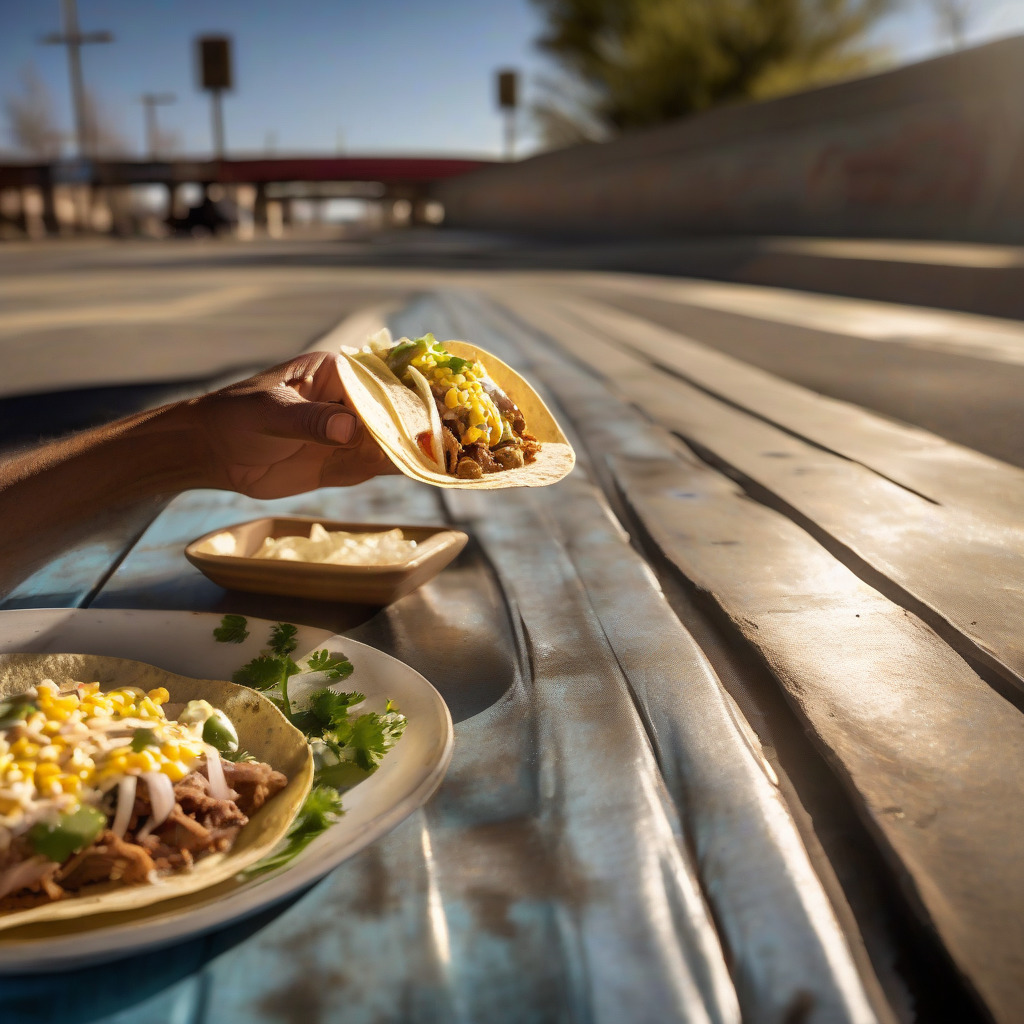
Past El Taco de México and the usual suspects, the best tacos in Denver are in Westwood, along Federal Boulevard, and in corners of the city the listicles never reach

Past El Taco de México and the usual suspects, the best tacos in Denver are in Westwood, along Federal Boulevard, and in corners of the city the listicles never reach
If you’ve read a Denver taco list in the last five years, you know the circuit: El Taco de México on Santa Fe Drive, Tacos Tequila Whiskey in LoHi, maybe a couple of RiNo spots that opened during the pandemic boom. That circuit is real, and some of those places have earned it. But it misses a lot of what this city actually eats — whole neighborhoods, whole regional Mexican traditions, and the price reality most Denverites deal with every week.
This guide is organized by neighborhood and by kitchen origin. It’s based on reporter visits, not star ratings. It distinguishes a Jalisco taqueria from a Michoacán one, explains why Sunday is the best day to eat on Federal Boulevard, and tells you what you’re actually going to spend. It also answers a question the competing lists almost never bother with: who owns these places, where their families are from, and what that means for what ends up on your plate.
The Standard Denver Taco Map Leaves a Lot Out
El Taco de México, at 714 Santa Fe Drive in Baker, is excellent and beloved. The green chile there has outlasted several Denver mayoral administrations. It belongs on any serious list. But when it anchors every list, it becomes shorthand for “we know about authentic Mexican food” rather than actual guidance. That’s not a knock on El Taco de México. It’s a knock on the lists.
The chef-driven spots in LoHi and RiNo are worth knowing on their own terms, but they occupy a different price point and use case than the family taqueria you might eat at twice a week.
What the standard Denver taco map omits tells a larger story. The Federal Boulevard corridor runs through four neighborhoods and hosts more family-owned taquerias per mile than anywhere else in the city. It barely appears in any list. Westwood, Denver’s highest-concentration Latino neighborhood by census data, has some of the best regional cooking in the city but fewer than a dozen Yelp reviews for its top spots. The north Denver clusters in Globeville and Elyria-Swansea exist almost entirely outside food media attention. And then there’s the mobile and weekend pop-up ecosystem — trucks in parking lots on Sunday mornings, cart operations that follow the seasons — an informal layer that operates almost entirely off the radar of food databases.
This guide maps that larger territory, and it sits within our food & hospitality coverage of the businesses and corridors that shape how Denver actually eats.
What You’re Actually Paying for a Taco in Denver in 2025
Denver’s taco market runs across three distinct price tiers. Knowing which one you’re in before you order matters — not because one is better, but because each is pricing something different.
Federal Boulevard and Westwood represent the taco economy most working Denverites deal with most of the time: $2.50 to $4.50 per taco at the family-owned spots detailed below. These prices have risen roughly 30 to 40 percent since 2020. Pre-pandemic, Federal Boulevard tacos commonly ran $1.75 to $2.50. That already sounds like another era. But this remains, by a significant margin, the best per-taco value in Denver.
Birria is the exception. Even at informal counter-service spots, $4 to $6 per birria taco is the realistic floor. The preparation takes time — a long braise, a separate consommé, real protein cost. It’s more labor-intensive than a standard taco, and the price reflects that honestly.
Mid-range sit-down taquerias occupy the $4 to $7 range: full-service restaurants with table service, bars, and weekend wait times. Quality varies more widely here than in the corridor spots. More widely than you’d expect, honestly. You’re buying restaurant service alongside the food.
At the chef-driven end, you’re looking at $6 to $12 per taco. This is the Tacos Tequila Whiskey bracket. A liquor program. A sourcing story. A different product than a Westwood taqueria. More on this below.
Federal Boulevard, Explained
Federal Boulevard between West Alameda Avenue and West Mississippi Avenue is the spine of Denver’s most concentrated taco corridor. The strip runs through Barnum, Barnum West, Villa Park, and Westwood — four historically working-class, majority-Latino neighborhoods that have been eating well here for decades while the rest of the city’s food media looked elsewhere.
Street parking along Federal is generally straightforward. RTD’s Route 30 runs the full length of the boulevard, making this one of the more transit-accessible eating corridors in the city for non-drivers. Many of the best spots operate inside carnicerías (meat markets) or panaderías (bakeries) rather than as standalone restaurants. You’ll order at a counter, find a seat at a few tables inside or at a folding table out front, and get your food in minutes. Signage is frequently Spanish-only — useful to know if you’re navigating the strip for the first time and wondering whether you’ve found the right door.
A meaningful number of Federal Boulevard taquerias are cash-only or cash-preferred. Credit card transaction fees eat into already-tight margins, and the business norms in these communities have historically run on cash. Bring $20 to $40 in small bills and you’ll be fine at any stop on this list.
Sunday is the strongest day across most spots on the boulevard. Full menus, full staff, prep at its peak. The corridor operates as something closer to a neighborhood event than a routine lunch stop. If you have one day to spend on Federal, make it Sunday.
The Federal Boulevard Roundup
Tacos y Salsas operates on Federal in the Villa Park stretch and is one of the cleaner examples of Jalisco-style cooking on the boulevard. The founding family is from Jalisco — the state in central-western Mexico that includes Guadalajara, and one of the primary sources of the taco traditions most Americans would recognize. Heavily seasoned carne asada. Adobada, which is marinated pork. A chile salsa profile that’s bright and tomatillo-forward rather than earthy. Jalisco-style tacos tend toward cleaner flavors, thinner tortillas, and garnishes that let the protein carry the weight. At Tacos y Salsas, the adobada is the item to order. Call ahead to confirm current prices and cash policy before visiting.
El Taco Veloz started as a truck and moved to a brick-and-mortar on Federal as the customer base grew — a trajectory common to several of the corridor’s best operations, and generally a good sign. The truck origin shows in the service model: counter ordering, quick turnaround, a menu that’s tight rather than sprawling. The carne asada and pastor are the strengths. It’s a practical entry point for first-time Federal Boulevard visitors because the operation is slightly more legible to people unfamiliar with carnicería-style service.
Tacos El Metate brings a Michoacán orientation to the corridor. Michoacán, on Mexico’s Pacific coast southwest of Jalisco, has its own distinct street food culture, and carnitas are the signature protein. The preparation differs meaningfully from a Jalisco kitchen: typically cooked in lard, the pork comes out crispy at the edges and yielding at the center — a richness that differs from the grilled-protein profiles you get farther up the boulevard. The Sunday carnitas get more prep time and come out in fresher batches than on a weekday. It’s family-owned. Timing your visit around the weekend program is worth it.
Las Delicias has operated in some form since the 1970s, which on this corridor is practically geological history. By Federal Boulevard standards it offers more table time and menu depth than the counter-service spots, and for a first introduction to the corridor when you want to sit down and work through a fuller menu, it’s the practical choice.
Westwood, Denver’s Most Overlooked Taco Neighborhood
Westwood sits roughly between West Alameda and West Yale avenues, Sheridan Boulevard on the west and Federal on the east. By census data it’s one of Denver’s highest-concentration Latino neighborhoods. It’s also where Denver food coverage most consistently fails its readers — the taquerias here don’t appear on Yelp at all, or carry review counts in the single digits. That’s not a niche gap. That’s a choice food media keeps making.
Tortas y Tacos El Regio is the specific recommendation here, and it represents something distinct from the Federal Boulevard spots: a Nuevo León tradition, which is northern Mexican rather than central or Pacific-coast Mexican. Northern Mexican cooking is beef-heavy. Flour tortillas show up as often as corn. The flavor profile comes from cattle ranching country and proximity to Texas rather than the Pacific coast or central highlands. The tacos de res at El Regio taste different from the Jalisco or Michoacán options on Federal — not because one is better, but because they’re drawing on a separate culinary geography entirely. For anyone who wants to eat across the regional diversity of Mexican cooking rather than within a single tradition, Westwood and El Regio specifically are worth a dedicated trip.
The neighborhood context matters beyond the food. Westwood Unidos, the community organization working here, has been addressing the displacement pressures that have reshaped nearby commercial corridors as Denver’s development has moved south and west. The taquerias operating in Westwood are economic anchors on blocks where everything else has turned over. Confirm current prices and payment policy before visiting El Regio. The cash-preferred norms that apply on Federal apply here as well.
Birria in Denver, Separated Out
Birria deserves its own treatment because the preparation and price logic are genuinely different from standard street tacos. It’s a Jalisco-origin dish: slow-braised goat or beef in a dried-chile and spice broth, served as tacos with the consommé — the braising liquid — on the side for dipping. A properly rendered birria should have a broth with real depth, not just chile flavor, but the long-cooked collagen from the meat. The protein should be tender enough to pull without being dissolved. When it’s done right, it’s one of the more satisfying things you can eat on a cold Denver morning. When it’s not, you’re paying $5 a taco for watery red broth and dry beef.
Birrieria Diaz, operating in the Denver metro area, is the most cited local source for birria with serious regional credibility. Verify whether it’s operating within Denver city limits or in an adjacent municipality before making the trip — confirm the address directly. Several Federal Boulevard spots also run dedicated birria programs, particularly on weekends. The $4 to $6 per taco floor is real; the protein cost and preparation time make anything cheaper a meaningful quality signal. If you see birria tacos at $3 somewhere, ask whether the consommé is made in-house or from concentrate. That answer will tell you what you’re actually getting.
Taco Trucks and Weekend Pop-Ups
Denver’s mobile taco ecosystem operates as a distinct layer from the brick-and-mortar spots. Denver Environmental Health maintains a public database of permitted mobile food vendors, accessible via denvergov.org — the most reliable tool for verifying that a truck or cart you’ve found is operating with a current permit. Not all pop-up operations are fully licensed, and it’s useful to know before you commit to a stop.
Seasonality matters. Denver’s sub-20°F winters from roughly December through February reduce operating hours significantly, and some trucks suspend operations entirely in the hardest months. The productive season for truck-finding runs May through October. Westwood, Barnum, and Globeville host informal weekend operations in parking lots during this stretch — outside carnicerías, in church parking lots on Sunday mornings, along the Federal Boulevard shoulder. Some of the best single tacos you’ll eat in Denver come from these operations.
They’re also the hardest to recommend in a written guide because they move, keep irregular schedules, and any list of specific locations goes stale within 60 days. The better tool is the Denver Environmental Health database plus a Sunday drive down Federal between Alameda and Mississippi with your windows down. That’s not a romantic suggestion — it’s how you actually find the best ones.
North Denver: Globeville and Elyria-Swansea
The north Denver neighborhoods near the I-70/I-25 interchange host a smaller cluster of family taquerias serving the working-class Mexican and Mexican-American communities that have lived in Globeville and Elyria-Swansea for generations. These neighborhoods get less food coverage than the Federal Boulevard corridor partly because the industrial street grid and the interstate interchange make them harder to navigate. More practically, the I-70 expansion has displaced businesses and disrupted commercial strips that were already thin. Several taquerias that operated in Elyria-Swansea prior to the most recent expansion phase have closed or relocated.
Specific location data here has higher turnover risk than on Federal. The recommendation for north Denver readers: use the Denver Environmental Health inspection database to search by neighborhood, and ask at local community organizations active on business-impact issues for current operational spots. The taquerias that remain in these neighborhoods tend to be genuinely local in the deepest sense — small operations serving their immediate neighbors, with no particular interest in food media attention, and food that reflects it.
The Chef-Driven End: What You’re Buying at $6 to $12 a Taco
Tacos Tequila Whiskey in LoHi is a good restaurant. The tacos are good. At $6 to $12 each, what you’re paying for is a full-service room with a serious liquor program and proteins sourced with the transparency the chef-driven world has built its identity around. It’s a different product from a $3.50 adobada at Tacos y Salsas, the way a craft cocktail bar is a different product from a neighborhood bar — not a worse product, just a different one.
Here’s my actual take: if you want to understand what Mexican regional cooking looks like across its traditions, an afternoon across three stops on Federal will teach you more than a single dinner at a single LoHi spot. That’s not a knock on LoHi. It’s just where the information is. Most readers want both at different times, and that’s a perfectly reasonable way to eat in this city.
Before You Go
Call ahead on hours. Federal Boulevard taqueria hours are irregular, seasonally adjusted, and frequently wrong on Google, Yelp, and every food database that exists. Post-COVID, the accuracy problem got worse. Call the specific location the day before you plan to visit. If no one answers, plan a backup.
Bring cash. Not every Federal and Westwood spot is cash-only, but enough are cash-preferred that arriving without it will slow you down and cost the business in transaction fees. ATMs on the corridor exist but are sparse. Pull cash before you go.
Plan for Sunday. Full menus, freshest prep, full staff. If you’re visiting Federal Boulevard for the first time and have any flexibility on day, Sunday is the answer.
Use the Denver Environmental Health inspection database. Denver Environmental Health publishes restaurant inspection records publicly, searchable by name or address at denvergov.org. It won’t tell you whether the tacos are good, but it’ll tell you whether the operation passed its last inspection — particularly useful for pop-ups and trucks you’ve found independently.
Take Route 30. RTD’s Route 30 runs the full length of Federal Boulevard, connecting downtown to the corridor’s full stretch. For non-drivers, or anyone who wants to eat at multiple stops without managing parking between them, it’s the practical choice.
On Westwood specifically: the commercial strip is less concentrated than Federal proper, and some of the best spots require more navigation. Go with a specific destination in mind — El Regio, or a spot confirmed through local community sources — rather than the drive-and-find approach that works well on Federal.
The taco geography of Denver is larger and more regionally varied than the standard list suggests. Federal Boulevard alone contains multiple distinct Mexican regional traditions within two miles of each other. Westwood brings a northern Mexican tradition that doesn’t appear anywhere else in the city’s food coverage. The mobile layer adds a third dimension no static list can fully capture. Start on Federal on a Sunday morning with $40 in cash, order across three or four stops, and you’ll understand more about what this city actually eats than a year of reading the usual lists. Bring an appetite and low expectations for parking.