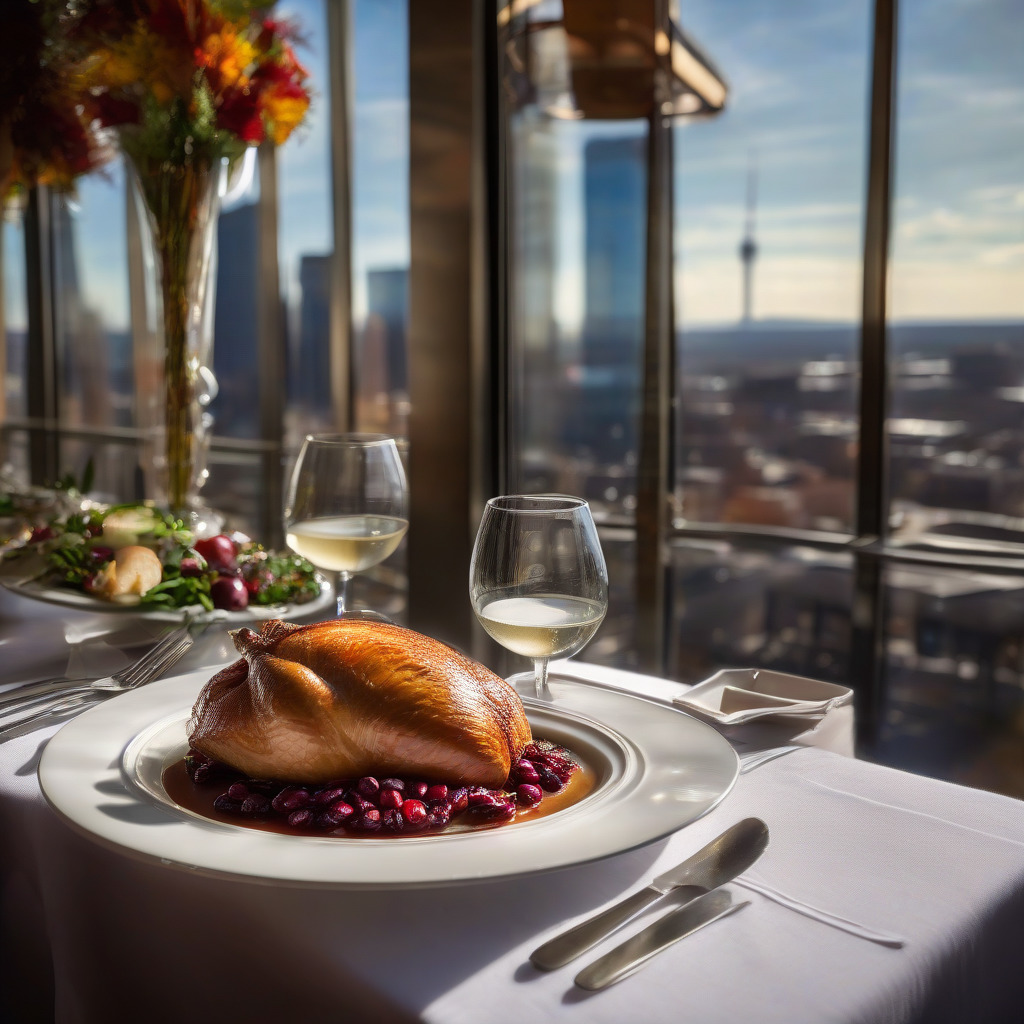
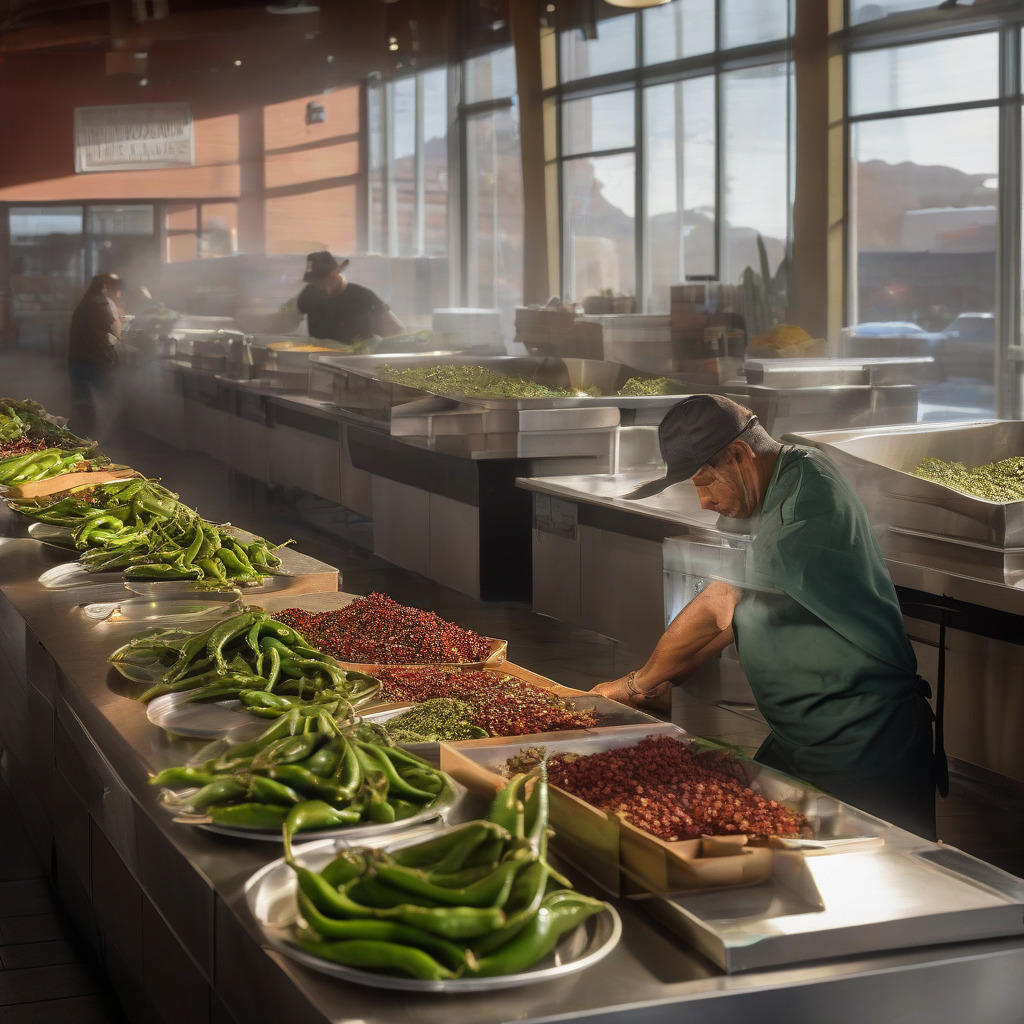
Denver's Food Halls Ranked by What Is Actually Open in 2026
If you've tried to research Denver food halls recently, you've been lied to. Not maliciously. By neglect.

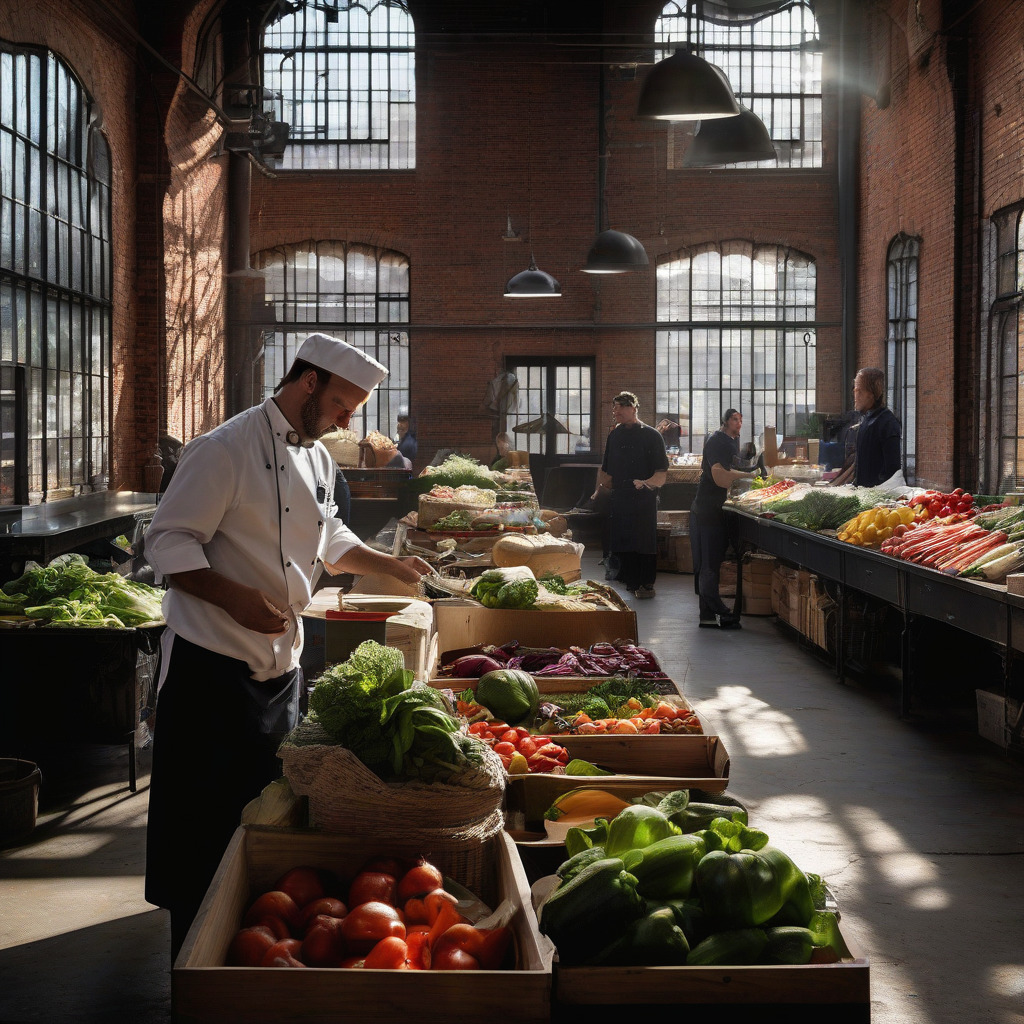
If you’ve tried to research Denver food halls recently, you’ve been lied to. Not maliciously. By neglect.
The listicles ranking the city’s “best” food halls are running on 2022 and 2023 data. They list vendors that have been gone for two years, describe experiences that no longer exist, and collectively fail to mention that two of the most-hyped food hall projects in Denver have contracted so severely that calling them “food halls” today requires generosity. Or ignorance.
This piece does the accounting those articles skip. Where vendor status is confirmed, it’s stated plainly. Where it needs verification before you make a drive, that’s flagged. And where a food hall has failed in whole or in material part, we’re calling it a failure — because “reimagining the concept” isn’t useful for someone deciding where to take out-of-town guests on a Saturday.
Here’s the honest status report.
The Short Answer for Readers Who Need It Now
Two Denver food halls are operating in reasonably full form and worth a planned visit in 2026: The Source (3350 Brighton Blvd., RiNo) and Denver Central Market (2669 Larimer St., RiNo). Both have experienced vendor turnover. Both have operational quirks — mismatched hours, parking friction, the occasional dark stall — that you should know about before you go.
Zeppelin Station (3501 Wazee St., RiNo) and Denver Milk Market (1800 Wazee St., LoDo) did not survive in the form they were built. Both were developed by Zeppelin Development. The food hall components of both have contracted significantly, and while the surrounding mixed-use buildings remain active, visitors arriving to experience a food hall will not find one in any meaningful sense. That distinction matters and is addressed below.
The Source (3350 Brighton Blvd., RiNo)
The Source opened in 2013 inside a historic ironworks building on Brighton Boulevard. RiNo wasn’t yet the kind of neighborhood that attracted hotel developers — that already sounds quaint. The Source Hotel was added in 2018, and that expansion is where the experience starts to fracture for visitors who don’t know the layout.
The market floor and the hotel operate as two separate environments sharing a building. They don’t keep the same hours or serve the same customer. Market-level vendors — a butcher counter, cheese shop, Mondo Market (wine, beer, and provisions), and the full-service restaurant Acorn — run on retail and restaurant schedules. Generally afternoon through evening on weekdays, broader on weekends. The hotel-operated concepts, including Wave Garden Brewery and the rooftop bar, run on hospitality schedules tied to occupancy and event programming. Arriving at 11 a.m. expecting a full food hall experience will leave you standing around. Arriving at 6 p.m. on a Friday will not.
As of early 2026, the market-level tenancy has thinned from its peak but holds its core identity. Acorn has been the anchor restaurant since the beginning and remains the hall’s most reliable draw. Mondo Market occupies its corner position and is one of the better curated bottle shops in RiNo — the kind of place where someone actually made decisions about what goes on the shelf. The cheese position has seen more turnover than any other spot in the market. If you’ve noticed this pattern at food halls generally, you’re not imagining it; cheese retail is genuinely hard to sustain at food hall rents.
Specific vendor names and hours should be confirmed directly before you visit. The stall-level lineup shifted as recently as mid-2025.
Parking is a surface lot directly behind the building off Brighton and metered street parking on Brighton and the side streets. On weekend evenings the lot fills, and there’s no structure — a fact that seemed fine in 2013 and increasingly doesn’t. Budget time to circle.
Denver Central Market (2669 Larimer St., RiNo)
Denver Central Market opened in 2016 as the less hotel-burdened alternative to The Source. One open floor on Larimer, a focused roster of vendors, no hospitality management layer sitting on top. The original lineup included Culture Meat & Cheese, Curio (a cocktail bar), Vero Italian, The Dinette, and Crema Coffee. Rosenberg’s Bagels ran an outpost here before expanding to standalone locations.
As of 2026, the hall has kept some of its original anchors. Culture Meat & Cheese has stayed. Curio functions as the social anchor for bar hours. The full original roster hasn’t been intact for some time, and Crema’s status at this specific location requires a phone call before you count on it — the brand operates in Denver, but its Central Market presence has shifted.
The practical issue that frustrates visitors most — and that no food hall list mentions — is the hours. Coffee vendors open around 7 a.m. Bar and dinner vendors don’t open until 4 or 5 p.m. The market is never fully operational at once. A visitor arriving at noon will find roughly half the stalls running. This is the thing worth knowing. It saves a wasted trip.
If you’re going for lunch, call ahead and ask which vendors are actually open. Don’t assume full capacity.
Denver Central Market draws a more neighborhood-resident crowd than The Source, which benefits from hotel guests padding the numbers. On weekday mornings it’s a legitimate coffee-and-provisions stop for people who live in RiNo. On weekend evenings Curio pulls bar traffic. The stretch from noon to 4 p.m. is the dead zone. Street parking on Larimer and the surrounding blocks; no dedicated lot; expect a few minutes of hunting on weekend evenings.
Zeppelin Station (3501 Wazee St., RiNo)
Direct answer first: the food vendor component as originally conceived hasn’t survived in operational form. If you drive to 3501 Wazee Street expecting an international food hall, you’ll find an active mixed-use building — office tenants, some ground-floor retail — but not a food hall.
Zeppelin Development opened Zeppelin Station in 2018 as a transit-oriented building positioned explicitly around its proximity to the 38th & Blake RTD commuter rail station. The food hall was the marquee public feature. International street food vendors. A market format. The pitch was that commuters and office workers would generate consistent daily foot traffic that traditional destination food halls could never guarantee. It was a reasonable theory. The 38th & Blake station has never generated the commuter density the model assumed, though, and when the pandemic cleared out office traffic in 2020 it didn’t fully come back. The vendors who took stalls were running on a traffic engine — the train — that turned out to be smaller than anyone projected. I don’t think the original concept was reckless. But in retrospect, betting a food hall’s survival on an RTD ridership forecast was a risk that landed on the vendors, not the developer.
The food hall has contracted to the point where it doesn’t function as a food hall destination. Before publication, confirm whether any food vendors remain operating on the ground floor and whether Zeppelin Development has announced any formal plans for the space. If the food hall is substantially closed, say that — not “in transition.”
Denver Milk Market (1800 Wazee St., LoDo)
Denver Milk Market was the most architecturally ambitious food hall project in the city’s history when it opened around 2019 inside the Dairy Block, Zeppelin Development’s mixed-use project on Wazee Street. Sixteen food and beverage concepts under one roof, developed as an anchor amenity for the Dairy Block’s hotel, office, and alley retail. Sixteen concepts was a flex. That format did not survive the pandemic in operational form.
Before visiting as a food hall destination, confirm directly with Zeppelin Development or on-site how many stalls are currently operating. Readers need to know whether they’re looking at 3 concepts or 12 — not a vague characterization.
A lot of visitors conflate Denver Milk Market with the Dairy Block alley, the pedestrian passage running through the development that remains active with ground-floor bars and retail. It’s an easy mistake if you haven’t been since 2019. The alley is fine. The market interior is the component that contracted. Someone going for a drink at one of the alley-level bars will have a good time. Someone driving downtown specifically to visit Denver Milk Market as a food hall needs current confirmation before making that trip.
The Zeppelin Development Pattern
Both Zeppelin Station and Denver Milk Market were built by Zeppelin Development. Both food hall components have significantly contracted. This is the story Denver food hall coverage has consistently failed to tell, and it’s the most important one in this piece.
Zeppelin is a real estate developer. Food halls, for Zeppelin, were an amenity strategy — the kind of tenancy that animates a mixed-use building, makes the hotel more attractive, and gives the development a public identity worth writing about. That’s a legitimate strategy. It’s also fundamentally different from running a food hall as a hospitality business.
When food vendors in a developer-built food hall struggle, the developer’s primary financial interest — the building — is unaffected. Hotel rooms still get booked. Office tenants still pay rent. The retail corridor still functions. This means a real estate developer has less structural incentive than a pure hospitality operator to subsidize vendors through hard stretches, aggressively renegotiate rents to keep stalls filled, or make the operational bets that keep a food hall running as a destination. Nobody is obligated to lose money preserving a concept. But it’s worth being clear about whose interests were aligned with these food halls surviving — and whose weren’t.
RiNo’s commercial lease rates made this worse. At $35–$55 per square foot NNN, independent food vendors were paying rates that most single-stall operators can’t absorb on food hall revenue, especially when the foot traffic assumptions — transit ridership at 38th & Blake, hotel guests at Dairy Block — came in below projections. In our food & hospitality coverage, this structural mismatch between developer incentives and vendor sustainability comes up repeatedly across Denver’s independent food businesses.
Why Stanley Marketplace Works When RiNo Didn’t
Stanley Marketplace in Aurora (2501 Dallas St.) is the metro area’s most stable food hall and has been for several years. It is not in Denver. It’s in Aurora. It shows up in Denver food hall searches constantly, and at this point, if you’re a Denver food hall visitor who hasn’t made the drive, just go.
Stanley works for a structural reason RiNo’s food halls mostly lacked. It’s anchored by non-food tenants. Fitness studios, service businesses, and other non-food retail occupy a substantial portion of the building and drive weekday foot traffic that has nothing to do with meal times. A person coming for a Tuesday evening fitness class might grab dinner at one of the food vendors. That foot traffic doesn’t require anyone to be in the mood for a destination dining experience. It just shows up.
Food destination traffic is lumpy — heavy on weekend evenings, thin on Tuesday afternoons. Stanley’s food vendors benefit from foot traffic the RiNo food halls had to generate entirely on their own, in a neighborhood where the ambient pedestrian density was always thinner than the development assumptions required. That’s not a complicated diagnosis. But it’s one the coverage consistently missed while it was happening.
What’s Coming in Denver
Broadway Market has been discussed as a food hall project for South Broadway for several years. As of early 2026, its operational status requires direct confirmation — whether it has opened, is under construction, or remains in permitting. Denver CPD permit records are public and represent the most reliable checkpoint between a developer press release and an actual opening date. Marketing language is not.
The Kroenke organization’s redevelopment around Ball Arena includes food and beverage components, but whether any of it constitutes a food hall format rather than conventional restaurant tenancy requires confirmation from project documents, not announcement copy.
The National Western Center and Sun Valley have included market and food components in planning materials. Neither has reached a stage where vendor leasing is a near-term question. Treat them as planning-document mentions until permit activity suggests otherwise.
Practical Reference for Tonight’s Decision
The Source (3350 Brighton Blvd., RiNo) Market-level vendors run afternoons and evenings. Acorn operates dinner hours. Hotel bar and Wave Garden run on hospitality schedules. Best window: Thursday through Sunday evenings. Parking is a surface lot plus metered street parking on Brighton — meters run roughly $1.50–$2.00 per hour, the lot fills on weekend evenings, and there’s no structure. Budget $14–$22 for a single vendor stop; $25–$35 with drinks for a full visit.
Denver Central Market (2669 Larimer St., RiNo) Coffee vendors from approximately 7 a.m. Bar and dinner vendors from approximately 4–5 p.m. No single time when every stall is open. Best window for the most complete experience: weekday evenings, or weekend late mornings when coffee and provisions vendors overlap. Street parking only. Expect $14–$22 per vendor stop. Limited outdoor seating along the Larimer frontage.
Zeppelin Station (3501 Wazee St., RiNo) Do not plan a food hall visit without calling ahead first. The building is active. The food hall is not operating in its original form.
Denver Milk Market (1800 Wazee St., LoDo) Confirm current operational status before visiting as a food hall destination. The Dairy Block bar and retail corridor surrounding the building remains active — that’s different from the market interior. Parking structure in the development; confirm current rates and validation directly with the property.
Stanley Marketplace (2501 Dallas St., Aurora) The metro area’s most reliably operating food hall. Open seven days; individual vendor hours vary but the building runs morning through evening. Budget $14–$22 per vendor, $25–$35 for a full visit with drinks. Worth the drive from Denver if you want a functioning food hall without uncertainty. That’s just an honest assessment of where things stand.
The Bottom Line
Denver’s food hall moment peaked around 2018–2019, and local coverage never quite caught up to what happened after. Two projects from the same developer struggled for the same structural reasons — food hall tenancy deployed as a real estate amenity rather than a primary business. The vendors who took those stalls paid the cost. Not the developer. Not the buildings. The vendors.
The projects that survived did so by keeping strong anchors like Acorn at The Source, building a neighborhood customer base independent of tourism like Denver Central Market, or designing non-food foot traffic into the model from the start like Stanley Marketplace.
Denver has two food halls operating in reasonably full form. Know which ones they are before you go.