Denver's Aging Tubs and the Refinishing Math That Actually Works Here
Denver's housing stock is a tale of two bathtubs. In Capitol Hill, Congress Park, and Whittier, you find cast-iron clawfoot tubs that have been soaking up hard water and dry air since Woodrow Wilso…

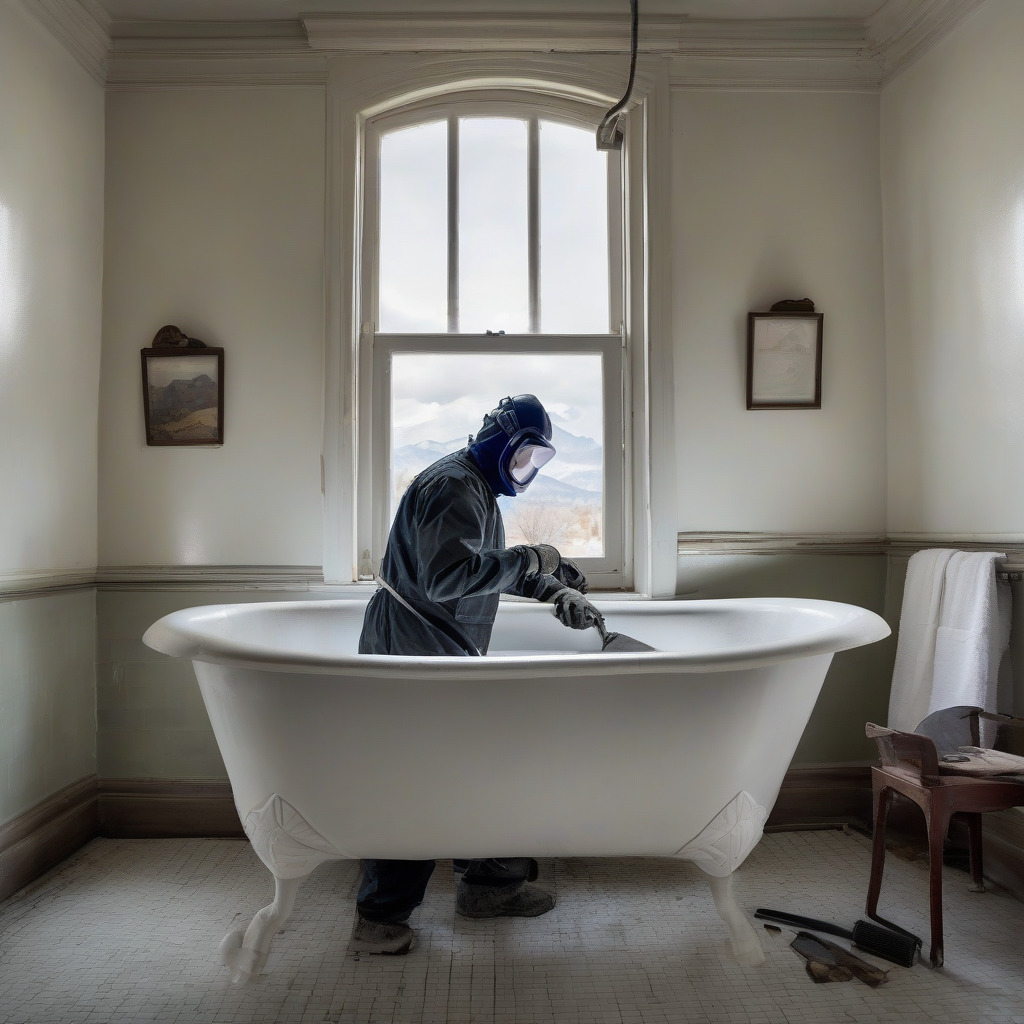
Denver’s housing stock is a tale of two bathtubs. In Capitol Hill, Congress Park, and Whittier, you find cast-iron clawfoot tubs that have been soaking up hard water and dry air since Woodrow Wilson was president. In Aurora, Lakewood, and Wheat Ridge, you find the fiberglass alcove tubs that builders dropped into ranch homes during the 1970s and 1980s — surfaces never meant to last fifty years but asked to anyway. Both types fail in ways refinishing can address. Both also sit in a city where full tub replacement costs more and creates more logistical pain than the national home-improvement press bothers to acknowledge.
What follows is a close look at what bathtub refinishing actually does, what it costs in this market, how Denver’s environment affects the work, and when refinishing makes sense versus when it doesn’t. This piece uses real local context rather than national averages, which are useless to anyone making a decision about a specific bathroom in a specific Denver neighborhood.
Denver’s Housing Stock Creates Unusual Demand
The demand for tub refinishing in Denver isn’t generic. It comes from two distinct housing eras that produced two very different problems.
The pre-war and early postwar bungalows concentrated in Capitol Hill, Whittier, Curtis Park, and the Highlands came with cast-iron tubs that are remarkable fixtures — thick, heavy, acoustically satisfying, and capable of holding heat in ways modern acrylic can’t touch. The problem is straightforward. Seventy or eighty years of Denver’s moderately hard water, combined with decades of abrasive cleaning products, have etched and dulled those original porcelain enamel surfaces. The tubs still function. They’re not cracked. They just look terrible, and the original gloss is gone.
Replacing a clawfoot cast-iron tub in a Capitol Hill Victorian is not a simple project. Getting a new one into a second- or third-floor bathroom in a narrow 1920s row house often requires removing a door, sometimes a window frame, occasionally a section of wall. Contractors in Denver with experience in old-home bathroom work know this problem intimately. The logistics alone can push a replacement tub’s all-in cost well into five figures — fixture, labor, plumbing reconnection, tile work. That’s why so many owners in these neighborhoods never touch their bathrooms. Not because they don’t care. Because every option looks expensive and disruptive, and they’re right.
The fiberglass and acrylic tubs installed in Aurora ranch homes, Lakewood split-levels, and Englewood colonials from the 1970s through the 1990s present a different problem. These were lower-grade products to begin with. Decades of thermal cycling in basement or main-floor bathrooms have not been kind. They develop crazing, surface cracks, and a dull, stained appearance that no amount of cleaning fixes. Replacement is more physically manageable than moving a 400-pound cast-iron clawfoot up a narrow staircase, but the cost calculation still often favors refinishing — especially for landlords managing rental properties where the per-unit renovation budget is tightly constrained. A landlord with six properties in Lakewood, each with an aging fiberglass tub, is doing different math than a homeowner with one Victorian clawfoot.
What Bathtub Refinishing Does and Where It Works
Refinishing covers bathtubs, tile surrounds, shower pans, sinks, and countertops, though tub work drives most of the demand in this market.
The process follows the same general sequence across the industry: chemical stripping or mechanical abrasion of the existing surface — or both, depending on substrate condition and any previous coatings — acid etching on porcelain enamel to create mechanical adhesion, application of bonding agents, then topcoat. The chemistry varies by company and substrate. Here’s what actually matters: the difference between a refinishing job that holds for a decade and one that starts peeling within months is almost entirely in the prep work, not the coating itself. Prep is where most of the labor hours go. It’s also where shortcuts show up — fast, and expensively.
Renew-It Refinishing is a local Denver operation, not a franchise location staffed by whoever was available that week. That distinction has concrete implications, discussed below.
Denver-Specific Costs: What Refinishing Actually Runs Here
National home-improvement websites quote bathtub refinishing at $300 to $650. Ignore those numbers. Denver’s labor market runs above the national median, and pricing for a reputable local contractor reflects that. Adequate prep time, professional-grade materials, and a technician who isn’t running five jobs in one day all cost more than national baseline figures suggest. For current pricing on a specific job, call a Denver contractor and get an actual quote — not a range from an aggregator site that hasn’t been updated since the pandemic.
Clawfoot tubs with exterior refinishing cost more because of the added surface area and the difficulty of working around the feet and exterior curves. Tile surrounds add meaningfully to any total.
Full tub replacement in Denver runs $2,500 on the low end and climbs steeply from there depending on material and complexity. A cast-iron clawfoot with the logistics involved in an older home can reach $8,000 or beyond once demolition, fixture, labor, plumbing work, and tile are factored in. Denver Community Planning and Development permits a bathroom remodel starting around $75. Any replacement involving plumbing modifications requires a permit. Refinishing does not.
For most structurally sound tubs — no crack through the iron, no rust penetration — refinishing costs a fraction of replacement in this market. Whether that fraction is worth it depends on the tub’s condition, how long you plan to stay, and how realistic you’re being about durability.
Hard Water, High Altitude, and Low Humidity: Denver’s Environment Changes the Work
Denver Water draws from snowmelt. The result is a supply that tests in the moderately hard range — roughly 100 to 150 parts per million of calcium carbonate, varying by season and which treatment plant is serving your neighborhood. Over decades, that’s enough to etch porcelain enamel and leave scale deposits that compound the damage. On a tub being prepped for refinishing, that scale has to come off completely before any coating goes on. Apply coating over residue and it will fail. No exceptions, no margin for error.
The altitude factor gets less attention but matters. At 5,280 feet, atmospheric pressure is lower than at sea level. Solvents flash off faster — they evaporate more quickly into thinner air, which shortens the window a coating has before it begins to set. A technician trained at altitude and using formulations adjusted for it handles this without incident. A national franchise operator sending crews trained in, say, Columbus or Phoenix, applying the same products and techniques they use there — that’s where you get orange peel texture, poor leveling, and adhesion failures that show up three months later. The fix isn’t exotic chemistry. It’s knowing the local conditions and having worked in them long enough to adjust automatically.
Denver’s low humidity compounds the effect. Average relative humidity here runs 30 to 40 percent, drier than most U.S. cities. In winter, interior humidity in older homes without humidification drops lower still. That accelerates solvent evaporation further and affects cure behavior in moisture-sensitive coatings. A local refinisher quotes cure times that reflect Denver conditions. A contractor quoting the times printed on the manufacturer’s data sheet — written for moderate-humidity environments — is telling you something worth noting. Ask specifically about how they adjust for altitude and humidity. The right operator will answer without hesitation.
The Condo and HOA Complication
Refinishing a tub in a high-rise in LoDo, RiNo, or the Cheesman Park corridor is materially different from refinishing a tub in a standalone Whittier bungalow. Partly it’s the parking, which is its own adventure. But the real issue is fumes.
Refinishing coatings require ventilation, even lower-VOC formulations. In a multifamily building, ventilation means fumes go somewhere adjacent. Experienced refinishers working in high-rises use negative pressure containment and window-mounted exhaust fans to direct fumes outward. But it requires planning — and sometimes advance coordination with building management.
Many Denver condo buildings, particularly those managed by HOAs in LoDo, Capitol Hill, and newer construction in the Five Points area, have notification requirements for any work involving chemical application. Some require advance notice to adjacent unit owners. Some specify permitted work hours. Some prohibit certain VOC levels outright in their contractor rules. Before booking anyone, pull up your HOA’s contractor guidelines and review what Denver homeowners need to know about HOA rights under Colorado law. This isn’t bureaucratic theater. A job stopped mid-application because building management wasn’t notified is a bad outcome for the surface and an expensive one for everyone involved.
The flip side: in these same buildings, refinishing is often the only realistic option. Replacing a tub in a high-rise means elevator access coordination, protecting common areas from demolition debris, and in many cases getting HOA board approval for plumbing work. That process can take months. A refinishing job done in a single day, with the bathroom back in service within 24 to 48 hours, looks considerably better when the alternative involves multiple board meetings and a freight elevator reservation.
What “5 to 15 Years” Actually Means for a Denver Tub
Refinishing contractors quote lifespan ranges that span a decade. That’s either refreshingly honest or frustratingly vague, depending on your patience. It’s honest — the range is real, and what determines where a specific job lands within it is knowable.
Prep quality is the dominant variable, full stop. A surface with residual soap scum, scale, or old coating will delaminate. This is where the cheapest quotes in the market fail — not because of inferior chemistry, but because adequate prep takes time, and time is exactly what low-bid operators cut. You’re paying primarily for labor hours in the prep phase. A contractor rushing that phase is cutting the only corner that actually matters.
Substrate material is the second variable. Cast-iron porcelain, properly prepped, holds a refinished surface better than fiberglass, which holds better than acrylic. Cast iron’s thermal mass means surface temperature changes slowly, reducing the micro-expansion stress that works against adhesion over time. Acrylic tubs flex under weight in ways cast iron doesn’t, and that flexion stresses the bond.
Basement bathroom tubs in Denver ranch homes deserve specific mention. Basements in Lakewood and Aurora experience significant temperature swings — warm in summer, cold in winter — and concrete slabs can introduce moisture from below. A refinished basement tub in a Lakewood ranch is more likely to land at the lower end of that lifespan range than a refinished clawfoot in a heated Capitol Hill bathroom. That’s worth factoring before you sign anything.
Aftercare is the variable you control entirely. Abrasive cleaners will mechanically damage a refinished surface — anything with grit, including soft-scrub products. So will razor blades. Hard water scale left to build up, then removed with acidic cleaner, can attack the finish. The correct protocol is simple: non-abrasive liquid cleaner, soft cloth, prompt attention to standing water. In Denver, where scale accumulates faster than in soft-water cities, a quick squeegee after each use extends finish life noticeably. It sounds fussy. It takes ten seconds.
Permits, Regulations, and What Denver Homeowners Need to Know
Refinishing a bathtub in Denver does not require a building permit. It’s a surface treatment, not a structural or plumbing modification. That’s true for single-family homes and condos alike, and it’s one of the concrete advantages of refinishing over replacement, which triggers permit requirements once plumbing disconnection or structural work is involved. Denver CPD can be reached at 720-865-2705 to confirm for a specific project.
Colorado’s Air Quality Control Commission regulates VOC emissions from commercial coating applicators, and professional refinishing businesses in the Denver metro are subject to those rules. For homeowners, the practical implication is simple: ask whether the contractor is using compliant formulations and whether they carry appropriate business licensing. A legitimate operation answers that directly. Hesitation is worth noting.
For condo owners, the HOA layer often matters more than city regulations. Confirm before booking: whether the HOA requires advance written notice to adjacent units, whether there are work-hour restrictions, and whether building management requires a certificate of insurance from the contractor before they enter. Most professional refinishers carry general liability insurance and can provide a certificate on request. Asking is appropriate and not unusual.
Refinish or Replace? A Decision Framework Using Denver Context
The Capitol Hill Victorian clawfoot is usually an easy call. The tub is cast iron, probably 80 to 100 years old, with original porcelain that’s etched and dull but not cracked through. The bathroom is on the second floor of a narrow rowhouse. Refinishing costs a fraction of what replacement costs once logistics, plumbing, and tile work are factored in — and replacement logistics in these homes are genuinely difficult. Unless the tub has structural damage, a crack through the iron, major chips reaching the substrate, or rust penetration, refinishing is the right call. Properly done on cast iron, the surface holds for years with reasonable care.
The fiberglass alcove tub in a Lakewood ranch requires more scrutiny. Run your hand along the floor and walls and check for flex. If the fiberglass gives noticeably underfoot or when you press the wall, the substrate may be too compromised for a refinished surface to hold. If it’s solid and the damage is purely cosmetic, refinishing makes financial sense against a replacement cost that in Denver starts around $2,500 before tile work. But be realistic: fiberglass returns a shorter service life than cast iron. If you’re selling the house in two years, refinishing is a reasonable pre-sale investment — surface deterioration is among the issues Denver home inspectors flag most often, and buyers use it to negotiate price down. If you’re planning a full bathroom renovation in three years anyway, just wait and replace on that timeline.
The acrylic tub in a five-year-old Sloan’s Lake condo? Don’t bother refinishing yet. A relatively new acrylic tub showing surface wear or staining has likely been cleaned with abrasive products or hit with hard-water damage that’s more reversible than it looks. Try a professional cleaning service first. Follow up with non-abrasive products and see what you’re actually dealing with. Also worth checking: whether the unit is still under builder warranty coverage. A cosmetic surface failure on a tub that’s a few years old might be a warranty claim, not an out-of-pocket repair.
Tub refinishing isn’t a universally right or wrong answer. It’s a cost-and-condition calculation that Denver’s specific market tilts more favorably toward refinishing than most. The age of the housing stock, the cost of skilled trades, the logistical difficulty of moving heavy fixtures through old homes and high-rises, and the environmental factors that degrade original surfaces faster here than in softer-water, lower-altitude cities — all of it pushes the math in refinishing’s direction more often than not.
The catch is that a well-executed refinishing job and a poorly executed one can look identical the day the technician packs up and leaves. The difference shows up six months later. In Denver, where the altitude, humidity, and water chemistry are all non-standard, asking a contractor directly how they account for those conditions is a reasonable and revealing question. The right one will answer it specifically.
For more local coverage, explore our Home & Property section.