Denver's Aging Tubs Don't Have to Mean a Full Gut Job — If You Choose the Right Operator
Denver homeowners face a choice that felt impractical a decade ago. Strip out the old tub. Deal with tile damage. Hire a plumber. Wait two weeks. Spend $2,500 to $6,000 or more. Or call a refinishe…

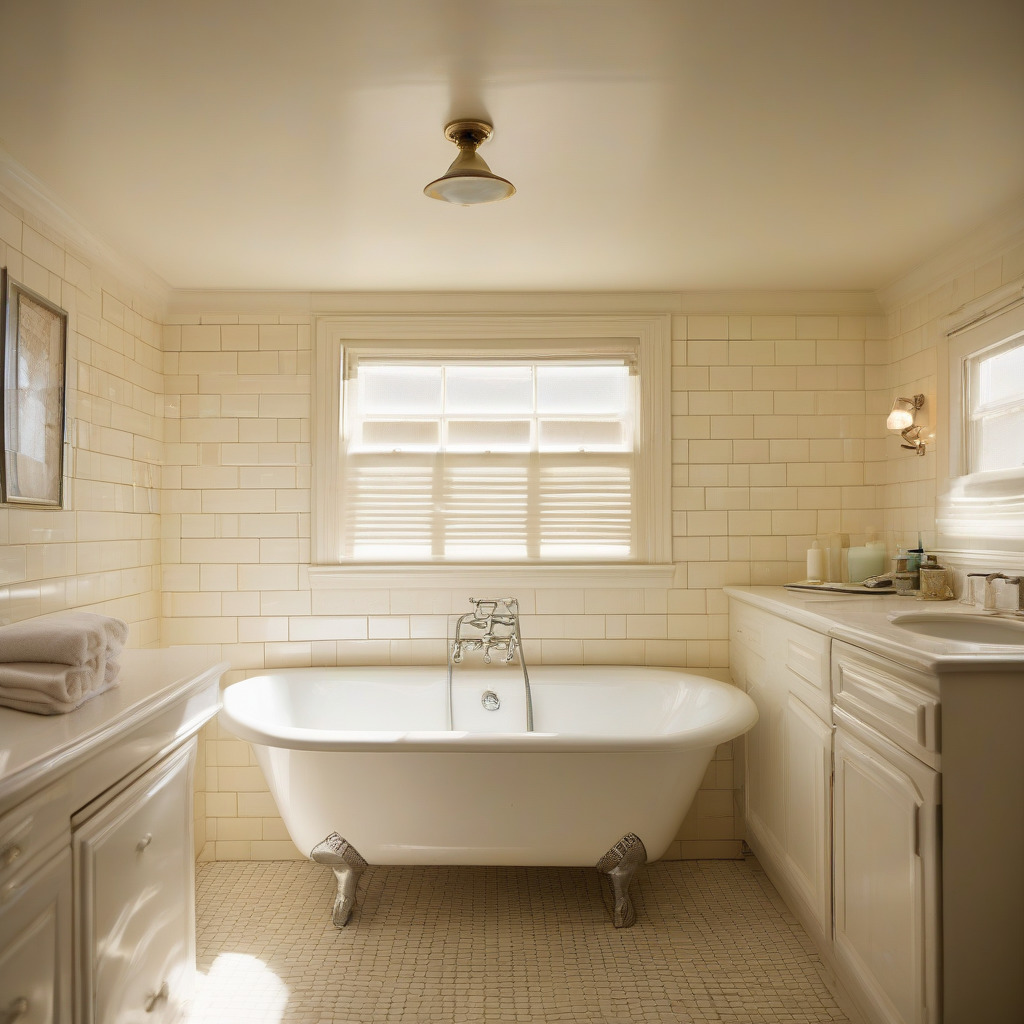
Denver homeowners face a choice that felt impractical a decade ago. Strip out the old tub. Deal with tile damage. Hire a plumber. Wait two weeks. Spend $2,500 to $6,000 or more. Or call a refinisher instead — clear the bathroom for a day and spend $400 to $700 to get the same tub looking new.
For a city with Denver’s aging housing stock, and for landlords watching their margins as rents have softened, that comparison drives real decisions.
Bathtub refinishing isn’t new. But it’s earned real attention in Denver’s specific market conditions, and it deserves coverage that goes past surface-level explainers.
The Local Demand Driving This Conversation
Denver’s housing stock tells a particular story. Capitol Hill and Potter-Highlands overflow with Victorian and Craftsman-era homes where cast-iron tubs have survived a century but accumulated decades of chips, staining, and worn enamel. The ranch homes of Wheat Ridge, Arvada, and Lakewood — built through the 1950s, 1960s, and into the 1970s — carry porcelain-on-steel fixtures that have outlasted multiple rounds of cosmetic updating everywhere except the bathroom. And the condo stock from the 1980s across Cherry Creek, Glendale, and southeast Denver brought a color palette that made sense in 1986: bisque, almond, bone. It’s been an eyesore in every rental listing photo since about 2004. If you’ve ever scrolled a Zillow listing and thought “who chose that color,” the answer is probably someone who had very different feelings about beige.
All of that converges on a single practical question: replace or refinish? For a large slice of Denver’s housing stock, refinishing is the more rational choice — if it’s done correctly by someone who knows what they’re doing.
Refinishing, Reglazing, Resurfacing — Three Names for One Process
The industry uses these terms interchangeably, which creates legitimate confusion. Refinishing, reglazing, and resurfacing all refer to the same basic procedure: mechanically and chemically preparing the existing tub surface, then applying a new bonded coating that restores gloss and covers staining, chips, and worn areas.
What a technician actually does in your bathroom for three to five hours begins with surface preparation. This step determines whether the coating lasts three years or twelve — and it’s also the step that separates a good refinisher from a fast one. A technician cleans the tub thoroughly to remove soap scum, mineral deposits (Denver’s water is notably hard, more on that later), and any residue that compromises adhesion. The drain and overflow plate are removed and masked off, along with surrounding tile surfaces and fixtures. Then comes acid etching.
An acid solution microscopically roughens the surface, giving primer and topcoat something to bond to. This step is not optional. Skipping or rushing it is the single most common shortcut that leads to premature peeling — and the reason some refinished tubs look great for a decade while others start bubbling after two winters.
After the surface is neutralized, rinsed, and dried, the technician applies a bonding primer coat followed by two or more topcoat layers. Most use a two-part polyurethane, epoxy, or acrylic urethane system, depending on the company’s product choice. Each layer requires a flash cure period, allowing the coating to gas off and begin hardening before the next application goes on. Most technicians use a handheld spray system rather than a roller for the topcoats, which produces the gloss level and uniformity that makes a refinished tub look convincingly new.
The final cure and full cure timelines vary by product and conditions. Ask any refinisher you’re considering to spell out what their coating requires before you schedule the job. The difference matters. Using abrasive cleaners or strong chemicals too early in the cure window can damage a coating that’s still developing its final properties — and “I didn’t know” won’t get you a free redo.
What It Costs in Denver, and What Replacement Actually Runs
National figures for tub refinishing typically cited around $300 to $600 are almost useless for Denver budgeting. They don’t account for the local labor market, and right now that market is expensive.
Denver’s trade labor costs have risen substantially since 2020 alongside everything else in the construction economy here. A realistic Denver-adjusted range for professional bathtub refinishing runs from roughly $400 to $700 for a standard job, with variation based on tub size, material, and condition. Colored tubs — those almond and bisque units common in 1980s condos — cost a bit more because achieving opaque coverage over a base color requires additional material and care. Add-on services like refinishing a tile surround, a sink, or a non-slip texture application add to the total but typically remain well below replacement costs.
Full tub replacement in Denver’s current market is a different proposition. The realistic all-in cost for a standard tub replacement — accounting for removal, the near-certain tile damage that accompanies prying out a fitted tub, and plumber time — typically runs $2,500 to $6,000. High-end materials and older homes with complicating factors push higher. Get a direct quote from any operator you’re considering before treating any range as firm, because labor rates and material costs vary more than any published average suggests.
| Factor | Refinishing | Full Replacement |
|---|---|---|
| Typical cost (Denver estimate) | $400–$700+ | $2,500–$6,000+ |
| Time to complete | 3–5 hours on-site | 1–3 days or more |
| Disruption level | Low | High (adjacent tile, plumbing) |
| Best suited for | Structurally sound tubs, rental units, cosmetic refresh | Cracked shells, structural failure, full renovation |
Real-world durability depends on coating chemistry, installer quality, and homeowner maintenance habits. You’ll get different timelines from different refinishers — sometimes wildly different. Ask any refinisher what coating system they use and what their warranty covers, and pay attention to how specifically they answer.
Does Your Tub Make a Good Candidate?
Material and condition are the two determining factors. Cast iron tubs — common in Capitol Hill, the Highlands, Potter-Highlands, and other pre-WWII Denver neighborhoods — are generally excellent refinishing candidates. The mass of cast iron holds up well structurally over many decades. A tub that’s cosmetically worn but not cracked or structurally compromised refinishes beautifully. Original porcelain enamel on an older cast-iron tub is a thick, hard substrate that accepts modern refinishing coatings well. These are the jobs refinishers tend to enjoy — good bones, satisfying results.
Porcelain-on-steel units, the type common in the ranch homes of Wheat Ridge, Arvada, and Lakewood, refinish adequately but present more surface-prep challenges. The thinner steel shell is more prone to flexion, and where the enamel has worn through to bare metal, rust may require treatment before coating. A refinisher who rushes past this step is cutting a corner that will show up as bubbling or peeling within a few years. It’s exactly the kind of thing that’s invisible at job completion and obvious twelve months later.
Fiberglass and acrylic units — the standard in 1980s and 1990s condo construction throughout Cherry Creek, Glendale, and southeast Denver — are the most refinished substrate in the market today, partly because there are so many of them and partly because they’re the most cosmetically dated. Fiberglass accepts refinishing coatings adequately, though the material’s natural flex means the coating is somewhat more susceptible to cracking under impact over time. The prep chemistry is also different; acid etching is inappropriate for fiberglass, so mechanical abrasion and a flex additive in the coating become more important. Not every refinisher knows this, which is worth keeping in mind.
Replacement makes more sense for a cracked fiberglass shell, a cast-iron tub with a fracture through the enamel and base metal, or any tub that’s been previously refinished with a failing coating that has delaminated across large areas. Refinishing over a poorly adhered prior coating is a recipe for failure regardless of how well the new work is done. No exceptions.
The Altitude Factor
Here’s the detail that national refinishing content consistently skips, and it’s worth taking seriously. At 5,280 feet, Denver’s atmospheric pressure is meaningfully lower than at sea level, which affects how solvent-based coatings off-gas during application and the early cure period. Solvents flash off faster at altitude, affecting spray application technique, the working window for each coat, and potentially the uniformity of the final surface if a technician is calibrated for sea-level conditions. A refinisher who learned their trade in Houston or Atlanta and relocated without adjusting their technique may encounter problems that an experienced Denver-based operator has already worked through. This isn’t a knock on anyone — it’s just physics, and it matters.
Low humidity is a secondary factor. Denver averages around 40 percent relative humidity, lower than the national average, and the ambient moisture level in an unheated or winter-cold bathroom can drop very low. Some coating systems are sensitive to extremely low-humidity conditions during application and early cure. Cold bathrooms in older bungalows and Craftsman homes, where baseboard heating may be minimal, create real seasonal constraints on scheduling. Coating application below approximately 55°F can cause adhesion failures.
Denver’s hard water is the third local variable. Municipal water in Denver and surrounding suburbs runs fairly hard, leaving mineral deposits on tub surfaces that must be fully removed before surface prep begins. A technician who doesn’t address calcium and lime buildup before etching is beginning the prep process on top of contamination, which compromises adhesion regardless of what follows. Whether and how a specific refinisher accounts for these Denver-specific conditions is worth asking directly before you book — and if they look at you blankly when you mention altitude, that tells you something.
Chemical Safety — What to Ask Before You Sign Off
Bathtub refinishing involves real chemical exposure risk, and consumer awareness here is genuinely protective. The primary concern is isocyanates — compounds present in two-part polyurethane coating systems, which are common in professional refinishing work because of their durability. Isocyanate exposure is a known respiratory hazard in the coatings industry, and professional technicians should work with appropriate respiratory protection. You should understand what chemicals are being used in your home. This isn’t excessive caution; it’s the right question to ask.
A secondary concern that earned federal regulatory attention is methylene chloride, a solvent used in some stripping and prep formulations. The EPA moved in 2019 to ban methylene chloride from consumer refinishing products, citing acute toxic exposure risk, though professional-use exemptions remain under ongoing review. Ask any refinisher what their prep and coating formulations contain and whether methylene chloride is among them.
Colorado adds a state-level regulatory layer through CDPHE and Colorado OSHA, which track federal OSHA standards for occupational chemical exposure. Ventilation requirements during application are not optional. A properly ventilated work area means more than cracking a window. Residents should expect to vacate the bathroom and ensure adequate ventilation of the space for the period the refinisher specifies after the job is complete. Take those instructions seriously; they reflect real off-gassing timelines, not excessive caution. Households with asthma, chemical sensitivities, or infants should discuss the specifics of the product being used before scheduling — and if a refinisher is vague or dismissive on this point, that’s a red flag.
For homes built before 1978, lead-safe certification under the EPA’s RRP (Renovation, Repair and Painting) Rule matters. If the existing tub surface or surrounding tile contains lead-based paint — more likely in older Capitol Hill or Baker district homes — the refinisher should hold EPA RRP certification and follow lead-safe work practices. This is worth asking about directly if your home predates 1978.
The Landlord Calculation
Denver’s landlord and property management community represents a significant market for local refinishing companies, and the economics explain why. A rental unit with a badly stained, faded, or chipped tub presents a real problem at turnover: a prospective tenant standing in that bathroom subtracts from the rent they’re willing to pay. The landlord either absorbs the appearance hit or fixes it. Replacement is rarely the right answer because of the timeline — pulling a tub means the unit is off the rental market for a week or more, which in a softening Denver rental market has real carrying cost.
Refinishing addresses the cosmetic problem in a single day and puts the unit back on the market within the post-cure window at a cost fraction of what replacement runs. For a landlord managing a building in Wheat Ridge or a portfolio of Glendale condos, the arithmetic is direct: refinishing at a few hundred dollars per unit versus several thousand for replacement is a substantial per-year cost difference, assuming reasonable maintenance habits extend the coating’s life.
Volume pricing is worth asking about. A property management company committing to refinishing across multiple units should negotiate a per-unit rate lower than the single-job retail price. Local operators who work with property managers regularly often have established pricing structures for multi-unit work — this is a conversation to have before signing anything, not after. The honest caveat for landlords is that rental use is harder on refinished coatings than owner-occupied use. Tenants who use abrasive cleaners, store shampoo bottles directly on the tub surface, or are otherwise rough with the finish will shorten the coating’s life. Providing written care instructions at move-in — specifying soft sponges, liquid cleaners, and no suction-cup mats — costs nothing and can meaningfully extend how long the refinished surface holds up. Whether tenants follow those instructions is a different problem.
How Long Will It Last?
The lifespan figures that appear in most refinishing marketing materials deserve scrutiny. Claims of ten to fifteen years reflect best-case conditions: a quality two-part polyurethane or acrylic urethane coating, properly surface-prepped, applied by an experienced technician, and maintained by a homeowner who uses appropriate cleaners and avoids mechanical damage. Real-world durability is more variable, and the factors that determine it break down into three categories.
Coating chemistry matters more than most consumers know. Single-part acrylic coatings are easier to apply and less chemically complex, but they’re also softer and less chemically resistant than two-part epoxy or polyurethane systems. A low-bid refinisher may be using a less durable product; this is worth asking about specifically — and if the answer is evasive, assume the cheaper product.
Installer quality is the bigger variable. Surface preparation — the acid etch, the cleaning, the treatment of any chips or rust — is labor-intensive and easy to rush. A technician who cuts time from the prep phase to get to the next job has compromised the coating’s adhesion before the first topcoat goes on. Reviews that specifically mention peeling within two or three years are almost always a prep failure story, even if nobody says so directly.
Homeowner maintenance determines the upper end of the range. Abrasive cleaners will scratch and dull a refinished surface. Suction-cup bath mats can pull coating when they’re removed. Drop a shampoo bottle on a freshly refinished surface and you’ll have a chip that, left untreated, becomes a delamination point. The coating isn’t porcelain — it rewards a little care.
Warranty terms vary considerably. A one-year warranty is the minimum you should accept; some established operators offer five years with conditions. Read those conditions carefully: most warranties exclude damage from improper cleaning, impact chips, or modifications to the surface. A warranty that sounds generous may exclude most of the realistic failure modes. You want to know what’s actually covered, not what sounds covered.
What to Ask Any Denver Refinisher — Including Renew-It
When evaluating any local operator, a few specific questions matter more than browsing a website or looking at before-and-after photos.
Check Google and BBB reviews carefully. Look not for star average but for pattern: how many reviews specifically mention peeling or bubbling within a year or two of the job, and how does the company respond to negative reviews? A company that responds professionally to complaints and demonstrates it resolved them is a better signal than a company with a slightly higher star average that ignores critical feedback.
Any operator working in your home should carry general liability insurance — ask for a certificate, and don’t feel awkward about it. Colorado doesn’t issue a specific license for bathtub refinishing contractors, but insurance is a legitimate baseline. For pre-1978 homes, EPA RRP certification is a genuine requirement, not a formality. Ask whether the company holds it and whether their technicians follow lead-safe work practices when required.
Renew-It Refinishing is one operator active in this market. As with any refinisher, the questions above apply: what coating system do they use, what does the warranty actually cover, and how specifically can they speak to altitude, low humidity, and hard-water prep challenges that Denver’s conditions present? This reporter submitted those questions directly; any material responses will be incorporated into updates to this coverage. Use the same framework for every operator you consider.
Before You Book — Permits, Timing, and Practical Logistics
Bathtub refinishing doesn’t require a building permit in Denver. The City and County of Denver’s building permit requirements cover structural work, mechanical system modifications, and electrical work; surface coating of an existing fixture falls outside that scope. That said, some condo associations have rules about contractor access and work hours worth confirming with your HOA before you schedule.
Denver refinishing companies typically see peak demand in spring and early summer — the season when homeowners are tackling improvements and landlords are turning over units ahead of the summer rental market. Scheduling in late fall or winter typically means better availability and sometimes more competitive pricing, with the caveat that cold, unheated bathrooms can present the application conditions discussed above. A bathroom that holds a temperature above approximately 55°F during application and the initial cure period is workable year-round.
The post-application vacancy window the refinisher specifies is not optional. Clear the bathroom of personal items beforehand; the technician needs full access to the tub and its surrounds without working around a shelf full of toiletries. If you have one bathroom, you need somewhere else to be for at least one overnight, and possibly longer depending on the product used. Plan for this before you book, not after.
While a technician is on site, ask about add-on work. A tile surround in the same alcove can often be refinished in the same visit — the surface prep and spray equipment are already there, and adding the surround to the job is far cheaper than a return visit. The same logic applies to a vanity sink or a cultured marble countertop. Non-slip texture coating, applied as an additive to the final topcoat over a designated area of the tub floor, is worth considering especially in homes with older residents or young children.
Before the technician arrives, confirm the quote in writing. Confirm what it includes: number of coats, chip repair, drain masking. Confirm the warranty terms. A verbal estimate is a starting point for a conversation, not a binding commitment, and putting it in writing protects both parties when scope questions arise later.
Denver has a lot of old tubs. Some of them are genuinely worth saving — and a few of those cast-iron units in Capitol Hill and the Highlands are frankly better than anything you’d buy new today. The decision of whether refinishing makes sense for yours comes down to the condition of the substrate, the quality of the operator you hire, and an honest accounting of what replacement would actually cost and disrupt. Run that comparison with real numbers — not national averages — and you’ll have what you need to make a reasonable call.
For more local coverage, explore our Home & Property section.