Denver's Rental Market and Aging Housing Stock Are Quietly Driving the Bathtub Refinishing Business
Capitol Hill landlords, century-old clawfoots, and cost-conscious homeowners are fueling steady demand for a trade most people discover only when a replacement quote comes back too high.

Capitol Hill landlords, century-old clawfoots, and cost-conscious homeowners are fueling steady demand for a trade most people discover only when a replacement quote comes back too high.
Denver Is an Unusually Good Market for This
Bathtub refinishing is easy to dismiss as a niche trade. Most people stumble across it when a replacement quote comes back higher than expected — and then feel a little foolish for not knowing it existed sooner. In Denver, the conditions that make refinishing a practical business align in ways that aren’t true everywhere.
Start with renter-occupancy. Roughly 48 percent of Denver households rent, a share that held steady even as the city’s population swelled through the 2010s and early 2020s. That means an enormous portion of the city’s bathrooms are owned by landlords — people with a direct financial interest in turning units quickly and spending as little as possible per repair while keeping fixtures presentable enough to command market rents. Cold calculation, but it drives real demand.
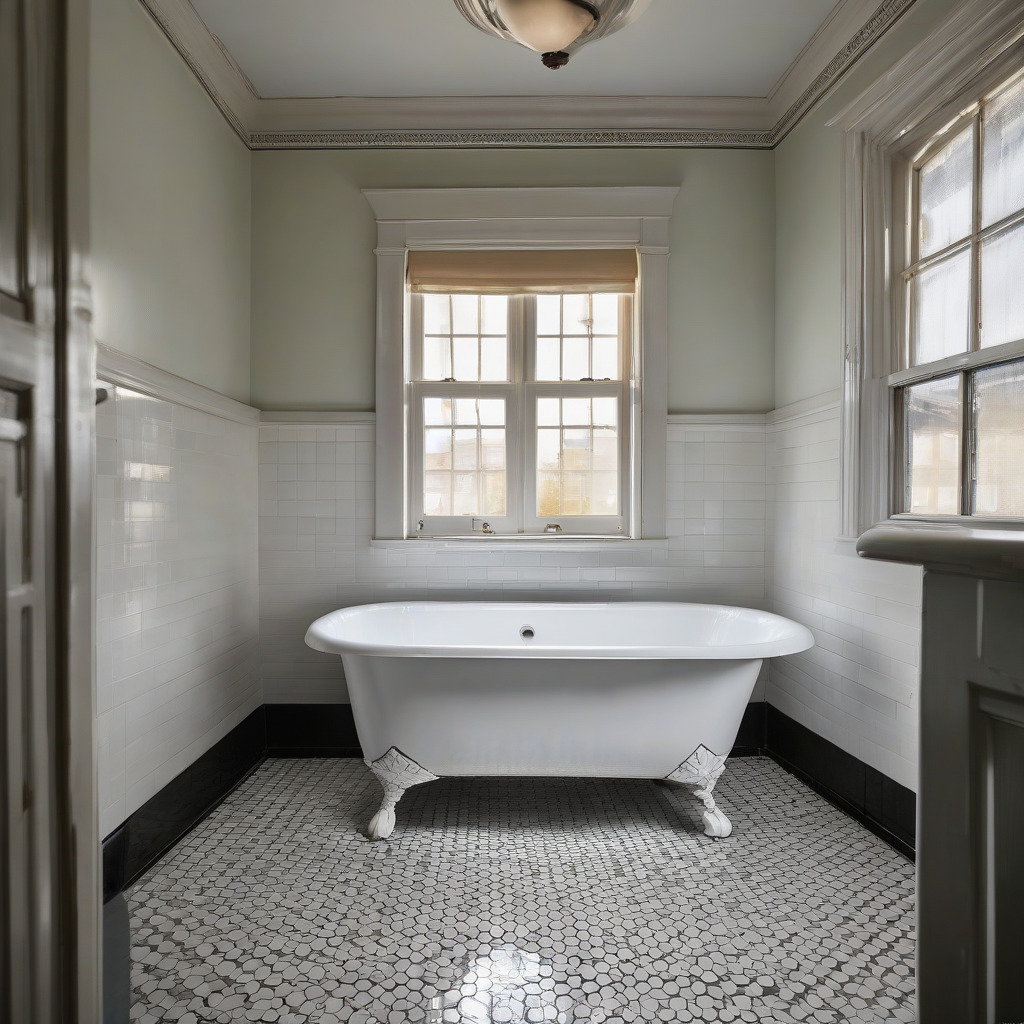
Then there’s the age of the housing stock. Denver’s inner neighborhoods — Capitol Hill, Potter-Highlands, Curtis Park, Baker, Whittier — are dense with buildings constructed between 1900 and 1960. Many have never had a bathroom gut renovation. They still carry original cast-iron tubs, original tile surrounds, original plumbing configurations. Replacing a tub in that environment isn’t as simple as swapping out a fiberglass alcove unit. It often means disturbing 80-year-old tilework that can’t be replicated without a full bathroom overhaul costing thousands. Refinishing the existing tub is frequently the only affordable option that doesn’t cascade into something much larger.
The rental economics reinforce this. A refinishing job completed in a single day costs a few hundred dollars. A tub replacement requires a plumber, a tile contractor, possibly a permit, and takes the unit offline for a week or more. If you own rental property in Denver, you already know why that timeline difference matters.
Who’s Doing This Work in Denver
Renew-It Refinishing is among the established refinishing businesses operating in the metro area. Confirm directly with them whether the company operates independently or under a franchise arrangement — it affects flexibility in materials, pricing, and scheduling, and some customers care. Miracle Method is the most prominent national refinishing franchise in the Denver market. Beyond those two, there are solo operators who handle refinishing as part of a broader bathroom services business, and there are DIY kits.
Solo operators are worth a call for single-job residential work. Their overhead is lower and scheduling is often more flexible. The DIY kits are a different story, and Denver’s specific conditions make them riskier than they’d be in a milder climate — more on that in the altitude and ventilation section below.
Before booking with any contractor, confirm their current service radius, whether they handle commercial work like apartment complex contracts, and what substrate types they routinely work on. Those questions will tell you more about fit than any review site will.
What the Work Actually Costs in Denver
National pricing averages from aggregator sites are not a useful guide here. Colorado construction wages run above the national median, and that flows through into contractor pricing.
A standard alcove tub — the three-wall fiberglass or porcelain-on-steel unit in the vast majority of Denver apartments — is the baseline job: surface prep, acid wash if hard water scale is present, bonding coat, topcoat in white or off-white. Custom colors add cost.
A clawfoot or freestanding cast-iron tub is more labor-intensive. The exterior gets refinished along with the interior, the freestanding geometry requires careful masking, and the mass of cast iron extends drying time. Rust remediation, if needed, pushes the price further. These aren’t fast jobs, and contractors who quote them quickly without looking closely are not the ones you want.
Tile surround refinishing — the three-panel walls framing a tub-shower combo — is frequently sold as an add-on. It’s common in Denver’s older rental stock, where tile may be structurally sound but grout and glaze have yellowed past what any amount of scrubbing will fix.
The comparison point that matters: a full tub replacement in Denver, including the new unit, demolition, disposal, plumber labor, and tile repair, typically starts around $1,500 and frequently runs past $5,000 once access issues, tile matching, or surprises behind the walls are factored in. In an older Capitol Hill building where replacement means removing original hex tile that hasn’t been manufactured in 60 years, it goes higher still. Get quotes from at least two local contractors before committing to anything.
Denver’s Housing Stock Makes the Work More Complicated
What a refinishing contractor encounters in a Central Park new-build is fundamentally different from what they find in a West Denver duplex built in 1938. The preparation requirements differ accordingly, and a contractor who doesn’t say that upfront is skipping something important.
Cast-iron tubs with original porcelain glaze, common in pre-1950 construction, are in many respects the best candidates for refinishing when the substrate is sound. Cast iron doesn’t flex and doesn’t transmit impact stress to the coating the way thinner materials do. But original porcelain often has chips, rust at chip sites, or crazing — a fine network of surface cracks that develops in old glaze and traps stain. Prep on these surfaces means rust treatment, possible epoxy fill for chips, and surface etching before any coating can bond. It’s more involved than it looks, and a rushed prep job on a cast-iron tub is where premature failures begin. The same substrate problems that Denver home inspectors flag most often in older properties — deferred maintenance, material degradation behind finished surfaces — are exactly what refinishing contractors encounter once prep begins.
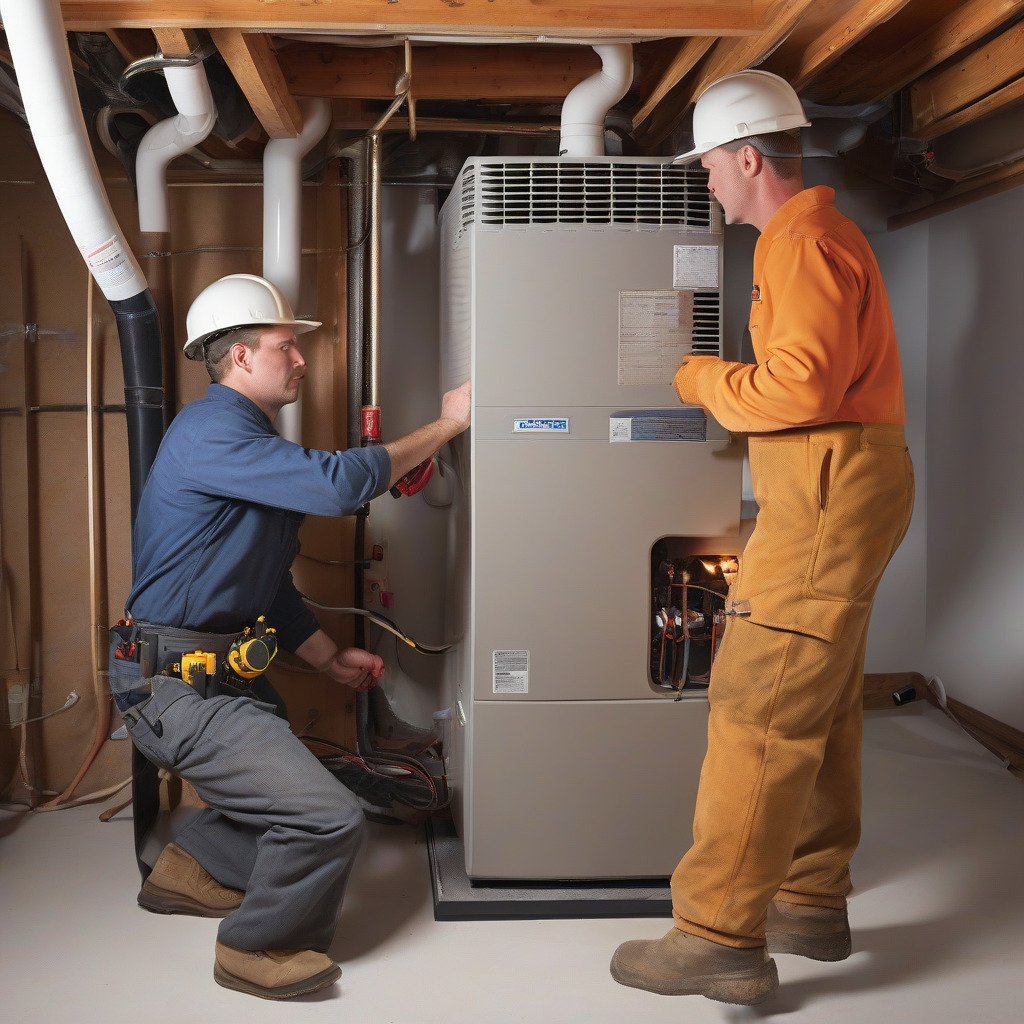
Porcelain-on-steel tubs, common in Denver’s 1950s-1970s apartment stock, are thinner and flex underfoot. That flex is the enemy of coating longevity. If the substrate moves and the coating doesn’t, delamination follows — sometimes within months. A competent refinisher will check how much flex a steel tub has before agreeing to the job. Some will decline work on surfaces too compromised to hold a coating. That’s actually the sign of someone worth hiring.
Fiberglass and acrylic tubs, standard in newer construction and condo conversions throughout LoDo and RiNo, require different primers and bonding systems than porcelain. They’re also more susceptible to scratching from abrasive cleaners — which matters when you’re advising tenants on post-refinishing care.
In pre-1950 bathrooms where the tub is original, the argument for refinishing sometimes goes beyond cost. Replacement may not be feasible at all without a full teardown. Some original built-in tubs in older Denver homes were installed before the doorway framing was completed — they’re too large to remove without significant structural work, and the surrounding tile is irreplaceable. In those cases, refinishing isn’t a budget choice. It’s the only choice.
Altitude, Hard Water, and Winter Refinishing in Denver
This is the part of the Denver refinishing story that doesn’t appear anywhere else. It’s worth taking seriously.
Denver Water’s annual water quality report documents treated water hardness in the range of 75 to 100 milligrams per liter — moderately hard. Calcium and magnesium scale from that water accumulates on tub surfaces and creates a barrier that prevents coatings from bonding. Responsible refinishers address this with an acid wash before any coating goes down. Ask any contractor you’re evaluating whether their prep protocol includes acid treatment for scale removal. One who skips it on a Denver tub to save time is setting up the coating for failure — and it’ll be your problem, not theirs.
Elevation matters for coating chemistry too. Epoxy and polyurethane coatings cure chemically rather than simply drying, but solvent evaporation rates in two-component coatings are affected by vapor pressure and temperature, both of which differ at 5,280 feet. Put this question directly to any contractor you’re considering and raise it with the coating manufacturer. It’s not a reason to avoid refinishing in Denver, but follow manufacturer cure-time guidance conservatively. Ask whether the contractor has adjusted their protocols for high-altitude application. If they look at you blankly, that’s your answer.
Winter work introduces a separate problem. Refinishing coatings contain VOCs, and proper ventilation during and after application is both a safety requirement and a necessity for cure. In mild climates during favorable seasons, opening a bathroom window is a reasonable solution. In Denver in January, with overnight temperatures regularly below 20°F, opening a window means introducing cold air that disrupts cure and makes the job genuinely dangerous for the applicator. Professional refinishers working through Denver winters use mechanical ventilation: typically a supplied-air respirator for the applicator and a fan system that exhausts fumes while maintaining safe working conditions. A contractor who plans to do winter work with a cracked window and a box fan is not set up correctly for the job.
Consumer refinishing kits are designed for room temperature with adequate ventilation. In a Denver winter bathroom, achieving both simultaneously without professional equipment is not realistic. The confined, cold-weather bathroom is close to a worst-case scenario for a DIY applicator without proper respiratory protection. The kits can work — in spring or early fall, in a bathroom with a functional exhaust fan and a window you can actually open. Don’t use one in January in a 1940s Capitol Hill apartment with a single small window. Just don’t.
The Landlord Calculation
For Denver rental property owners, bathtub refinishing is less a home-improvement decision than a unit-turnover tool.
The timeline difference is decisive. A refinishing job finishes in a single workday, with the tub available for normal use within 24 to 48 hours. A full tub replacement — once you’ve scheduled a plumber, ordered a unit, completed demo, made tile repairs, and cleared inspection — routinely takes a week or more, longer when unexpected issues appear behind the walls. In Denver’s older stock, they usually do. At current Denver rental rates, three or four additional vacancy days represent a real loss against the cost of the refinishing job itself.
The cost math holds up similarly. Refinishing can typically be repeated more than once before the cumulative total approaches what replacement would have cost — and each refinishing extends the life of a fixture that may otherwise be structurally sound for decades. Compare current local quotes against the $1,500-and-up replacement baseline to see where your specific situation lands.
Denver’s Rental Housing License Program, active since 2021, requires landlords to register and inspect rental units on a cycle. Inspection standards address habitability, including bathroom fixture condition. A tub with heavy staining, chipping, or visible rust is a legitimate maintenance flag. Refinishing it before an inspection — rather than after a corrective-action notice — is cheaper, faster, and avoids the paperwork. Straightforward calculation.
What Homeowners Need to Know Before Scheduling
If you’re a homeowner rather than a landlord, the practical considerations are similar, with a few differences worth knowing.
Contractors typically advise keeping the tub dry for 24 to 48 hours after completion before any water contact, and avoiding a full soak for 72 hours. Some manufacturers recommend a full week before the surface is considered fully cured for regular use. Denver’s low relative humidity — around 50 percent annually, drier in winter — means solvent-containing components may evaporate somewhat faster than in humid climates. Thermally cured components depend on temperature, not humidity, so dry air doesn’t mean the coating is done sooner. Follow the contractor’s guidance and ask them to be specific about why.
VOC concentration in a just-refinished bathroom is significant. Professional contractors will advise keeping the space closed and ventilated for several hours after completion. In a house where other areas are accessible, this is manageable in a day. In a studio apartment or a unit where the bathroom is in a small enclosed space, have a conversation with the contractor about air quality before you decide whether one night away is worth it. In most cases, it is.
Before booking, ask any Denver refinishing contractor these questions: What prep protocol do you use for hard water scale? What coating system — brand, number of coats, topcoat chemistry? What ventilation equipment do you bring for winter work? What’s your warranty, and what voids it? Have you worked on this substrate type before? A contractor who can’t tell you what their coating contains or how long you should stay out of the space isn’t someone you should hire.
Permits, Licensing, and What Denver Regulations Require
Most landlords and homeowners don’t ask about this until after the work is done.
As part of our home and property coverage, we’ve found that understanding where cosmetic maintenance ends and permitted work begins can save Denver property owners real money and hassle. Given how Denver’s permitting framework treats cosmetic maintenance work, refinishing — surface coating that doesn’t modify plumbing, structural elements, or a tub’s installation — is unlikely to require a building permit. You’re not moving drains, not altering fixtures, not doing electrical work. That said, confirm the current position directly with Denver Community Planning and Development before proceeding, particularly if your project has unusual characteristics. “Unlikely to require” is not the same as “doesn’t require,” and regulations change.
Check Colorado’s Department of Regulatory Agencies (DORA) for applicable contractor licensing requirements before hiring. Don’t assume in either direction.
For multi-unit landlords, the relevant compliance question isn’t permitting — it’s habitability inspection under the Rental Housing License Program. A tub that functions and is clean passes. A tub with structural damage or drainage problems fails. Refinishing a cosmetically degraded but functional tub addresses the appearance issue without raising compliance questions.
If a bathroom project involves any penetration of walls or ceilings, the permit analysis changes. For standalone refinishing of a tub and surround, the threshold is unlikely to be triggered. Verify with CPD to be certain.
When Refinishing Makes Sense and When It Doesn’t
Refinishing is not appropriate for every tub. A contractor who tells you it is is overselling, and that’s reason enough to find someone else.
Refinishing makes sense when the substrate is structurally sound — no cracks through the tub wall, no delamination of porcelain from its base, no soft spots in a fiberglass shell. The damage is cosmetic: staining, discoloration, light chipping, surface wear, dull glaze. The surrounding tile and bathroom are being kept rather than replaced. And the economics favor it, which they almost always do when tub replacement would exceed $1,000 and the existing fixture works correctly.
Refinishing doesn’t make sense when the tub has a through-crack or structural fracture. Coatings don’t bridge structural damage and will fail at the crack site, sometimes fast. When the substrate is so deteriorated that no bonding can be achieved without rebuilding the surface from scratch. When a bathroom renovation is already planned that will involve tub removal — paying to refinish a tub you’ll pull out in six months is money gone. When a tub has been refinished multiple times and old coatings are delaminating in sheets; at some point, stripping and re-coating is more work than the fixture is worth.
On realistic longevity: ask any contractor you’re considering for an honest estimate on your specific substrate, and press them on what assumptions that number carries. Hard water is the ongoing enemy of a refinished surface in Denver. Calcium scale should be managed with non-abrasive cleaners and occasional mild acid — white vinegar does the job — rather than abrasive scrubbers or harsh commercial products that will scratch through the topcoat. If the tub is in a rental unit, put those cleaning instructions in writing to the tenant. And ask your contractor directly about their winter protocols. A job done in poor ventilation or extreme cold that didn’t cure properly from the start won’t perform to spec, regardless of what the manufacturer’s sheet says.
Done right, refinishing extends the life of fixtures that Denver’s housing stock has good reason to preserve. It’s not a permanent solution, not a substitute for a renovation that’s actually needed, and not a job to cut corners on by going with the lowest bidder or a kit on a cold January weekend. But when the conditions are right — sound substrate, competent contractor, proper prep for Denver’s water and climate — it’s one of the more sensible calls a Denver landlord or homeowner can make.