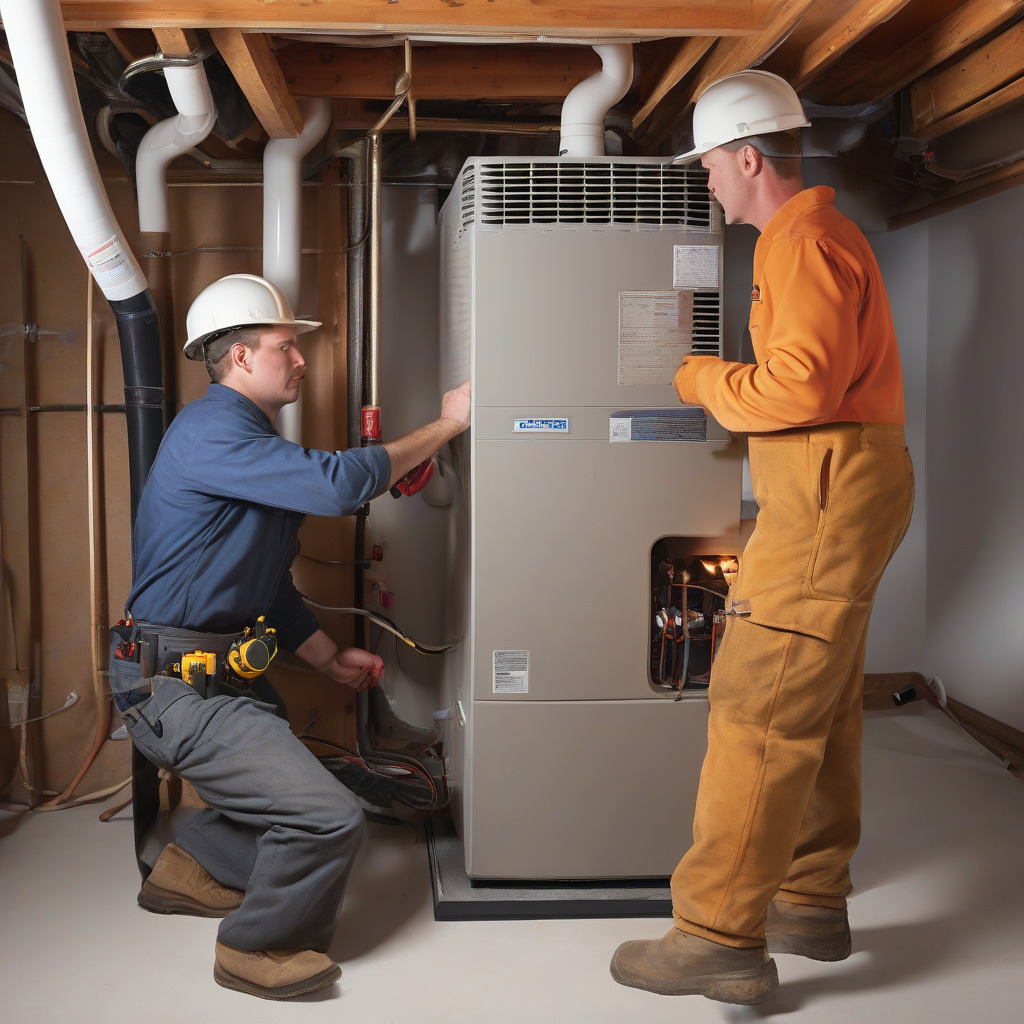
Why Your Denver Water Bill Jumped in July and What You Can Do About It
July is the convergence point of peak evapotranspiration, maximum irrigation runtime, and tiered pricing's punishing upper thresholds. Here's the math your bill doesn't show you.

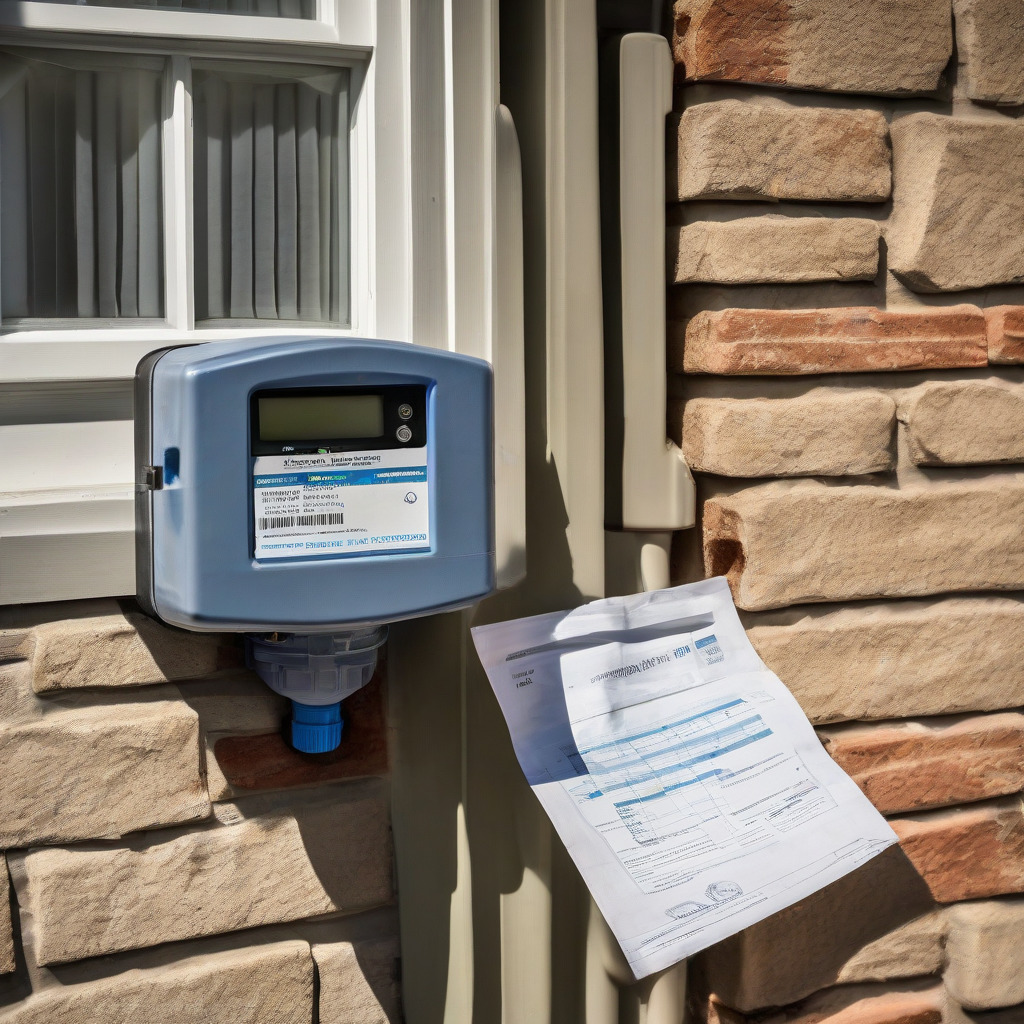
July is the convergence point of peak evapotranspiration, maximum irrigation runtime, and tiered pricing’s punishing upper thresholds. Here’s the math your bill doesn’t show you.
Editor’s note: Several figures in this piece — including exact 2026 tier rates, current rebate amounts, and drought-stage restrictions — require confirmation from Denver Water before publication. Items flagged ⚠️ should be verified against Denver Water’s current rate schedule at denverwater.org or by calling 303-893-2444. The rate ranges and thresholds cited here reflect Denver Water’s published inclining block structure and recent historical rates; confirm exact 2026 figures before this piece goes live.
If you opened your water bill this week and did a double-take, you didn’t misread it. Denver Water bills spike hard in July and early August for overlapping reasons the bill itself never quite explains. Tiered pricing, summer irrigation loads, and Denver’s particular soil and climate can genuinely double what a household pays in May.
This isn’t a billing error. It won’t self-correct. And if you haven’t changed anything about how you’re watering your lawn, the next bill could be worse than this one.
Here’s what’s actually happening, what it costs at a per-gallon level, and what you can do about it before summer billing closes.
Why July Specifically Is When Bills Break Bad
Denver’s evapotranspiration rate — combined moisture loss from soil evaporation and plant transpiration — peaks between June and August. Grass pulls water out of the ground faster in July than at any other point in the year, so irrigation systems work harder just to maintain the same results.
That’s the first problem. The second is timing. July is when Denver Water’s tiered pricing structure does the most damage. The utility uses an inclining block rate: you pay more per gallon the more you use. A household that coasts comfortably in Tier 1 from November through May can blow through Tier 2 into Tier 3 in a single heavy-irrigation week.
Here’s what catches most people: the bill you open in late July probably doesn’t reflect your July watering at all. Denver Water reads meters in neighborhood routes, and a bill dated July 28 likely reflects a read somewhere around June 27 to July 3. Heavy mid-July irrigation shows up on your August bill. If you’ve been running sprinklers daily for three weeks and your current bill looks bad, the next one may look worse. This problem isn’t behind you.
How Denver Water’s Tiered Pricing Works, With the 2026 Numbers
Denver Water charges residential customers on an inclining block rate. Your bill isn’t calculated at a single flat price per unit — consumption divides into tiers, and each successive tier carries a higher per-unit price.
Water is billed in CCF. One CCF equals 100 cubic feet, or 748 gallons. Most Denver residents have never heard this unit before finding it on their bill. It’s on every bill.
⚠️ The following tier structure reflects Denver Water’s inclining block rate framework. Confirm exact 2026 figures at denverwater.org before publication.
Denver Water’s residential rate structure for a standard 3/4-inch meter breaks down roughly as follows:
Tier 1 covers baseline indoor household use — typically up to about 7 CCF (5,236 gallons) per month ⚠️ — and has historically run around $3.70 to $4.10 per CCF. (Denver Water sets these rates annually; the range reflects recent years, not a choice between two simultaneous prices.) Tier 2 covers moderate use above that baseline, generally up to about 18 CCF ⚠️, at roughly $5.50 to $6.50 per CCF historically. Tier 3 — the penalty rate for heavy users — kicks in above that ceiling ⚠️ and has run around $8.00 to $10.00 or higher per CCF.
Put plainly: you’re paying roughly two and a half times more per gallon at Tier 3 than at Tier 1. At 748 gallons per CCF, that’s the difference between about half a cent per gallon and a cent and a quarter. Those are small numbers until you realize an average irrigation run pushes hundreds of gallons per cycle.
Thresholds vary by meter size. Older Denver properties sometimes have 1-inch meters with different tier structures. If you’re not sure which you have, it’s listed in your MyDenverWater account.
What Your Sprinkler System Is Actually Adding to the Bill
This is the part the bill doesn’t show you.
A 6-zone system on a smaller Denver lot — think older neighborhoods like Sunnyside or Cole — running twice weekly (Denver Water’s recommended summer schedule) will generate real outdoor consumption. Combined with typical indoor use, that’s enough to push most households into Tier 2 for much of the billing cycle. Annoying, but manageable.
Switch to daily watering on the same system and the math changes sharply. Seven days a week instead of two can add 16 to 32 CCF of outdoor use per month. ⚠️ At historical Tier 3 rates — confirm exact 2026 figures before publishing dollar totals — every additional CCF at the top end costs roughly two and a half times what you paid for the first tier. The bill doesn’t show you that compounding effect until it’s already happened. For what it’s worth, Denver Water is explicit: daily irrigation exceeds what local soil can absorb and may violate restrictions during declared drought stages.
Larger lots are a different category of problem. In neighborhoods like Hilltop or Crestmoor, even a fully compliant twice-weekly schedule can push monthly irrigation past the Tier 3 threshold early in the billing cycle — meaning virtually all outdoor water use lands at the highest per-CCF rate. An 8-zone system on a bigger lot can cross the Tier 3 entry point ⚠️ (historically around 18 CCF for a standard meter) within the first week. After that, every gallon for the rest of the month costs Tier 3 money.
The pivot point: irrigation doesn’t add to your bill incrementally. It pushes total consumption into progressively more expensive pricing bands, so every additional gallon in July costs more than the gallon before it. The bill shows the result of this math. It does not explain it.
How to Read Your Bill and Find Your Meter Read Date
Your bill shows total CCF used, a tier-by-tier consumption breakdown, the per-CCF rate for each tier, and your billing period dates tied to meter reads. The billing period dates are what matter most right now. If your meter was read on June 28 and July 26, your current bill covers that window. Anything you did with sprinklers after July 26 hasn’t appeared anywhere yet.
Read cycle timing varies by neighborhood because Denver Water routes meter readers geographically. To find your specific account’s read schedule, log into MyDenverWater (mydenverwater.org). The portal shows meter read dates, month-by-month usage history in CCF, and — most useful during summer — a day-by-day usage tracker that updates with a short lag. If you suspect a leak or a runaway irrigation controller, the daily usage graph will show it faster than anything else.
Denver Water has not historically offered a levelized billing program for residential customers — the option that lets you pay an averaged monthly amount year-round. ⚠️ Confirm this with Denver Water before publication. It’s a common question, and people searching for it deserve a direct answer rather than a search that goes nowhere.
The Cash-for-Grass Rebate, Step by Step
Denver Water’s Xeriscape Incentive Program is one of the few tools that actually reduces your long-term bill rather than just shifting when you pay it. The concept: tear out irrigated grass, replace it with drought-tolerant landscaping or hardscape, and Denver Water pays you per square foot.
⚠️ Confirm the following figures with Denver Water before publication.
The rebate rate has historically ranged from $1.50 to $3.00 per square foot depending on the replacement material and whether it meets Denver Water’s vegetation requirements — it can’t be pure gravel. There’s a minimum project size (historically around 500 square feet) and a per-account cap. Confirm 2026 figures directly; the program has seen rate adjustments as demand picked up.
The most expensive mistake people make is starting work before receiving pre-approval. The program requires you to submit an application, get it reviewed, and receive written approval before a single shovel goes into the ground. Customers who pull out sod first and apply afterward are disqualified. No exceptions, no appeals process that routinely overrides this. Before-and-after photo documentation begins before work starts. This is the rule that costs people money, and it happens constantly.
To apply: measure the area, confirm it meets the minimum square footage, review Denver Water’s approved plant list and design guidelines at denverwater.org, and submit a pre-approval application through the rebates portal before doing anything physical. Wait for written approval. Complete the work. Submit post-project photos, receipts, and a completion form to claim the rebate.
⚠️ Confirm whether Denver Water maintains an approved contractor list for this program in 2026, or whether the requirement is purely documentation-based. Using an unlisted contractor where a list applies can disqualify the application.
One thing worth flagging for residents in HOA-governed neighborhoods — Central Park, Green Valley Ranch, and dozens of others across the city: Denver Water’s pre-approval does not substitute for your HOA’s approval. They’re separate processes. Get written HOA sign-off before you submit to Denver Water. Make sure the HOA’s requirements don’t conflict with Denver Water’s design standards. (I’d call the HOA first. That conversation goes better before you’ve already ordered the gravel and the pavers.) For a broader look at what HOA-governed properties can and can’t restrict under state law, see our coverage of HOA homeowner rights under Colorado law.
One more thing: xeriscape rebate programs routinely run out of funding mid-season. ⚠️ Confirm with Denver Water whether the 2026 summer application window is still open and whether funding remains available. If it’s closed, find out when the next window opens — typically late winter for the following summer.
For residents not ready for full turf removal, Denver Water also offers a rebate for WaterSense-certified smart irrigation controllers. ⚠️ Confirm the 2026 rebate amount. The barrier to entry is much lower than a full turf conversion. At Tier 3 water rates, a smart controller that eliminates unnecessary irrigation cycles can realistically pay for itself within one summer.
Denver-Specific Ways to Cut Usage Without Killing Your Yard
Generic “water less” advice mostly isn’t calibrated to what Denver’s ground actually does. Here’s what is.
Large parts of Denver — Barnum, Berkeley, older blocks in the northwest — sit on clay-heavy soil that absorbs water slowly. When a sprinkler zone runs a continuous cycle, the top layer saturates and the rest sheets off into the gutter. You’ve paid for water your plants never received, at Tier 3 rates. The fix is a cycle-and-soak schedule: break each zone’s runtime into shorter segments with absorption intervals between them. Most modern controllers have this setting built in. On clay lots, it meaningfully reduces runoff without reducing the water your lawn actually gets.
Denver also sits at 5,280 feet. Lower atmospheric pressure and lower humidity mean evaporation is faster here than national watering guidelines — usually written for Midwest or coastal conditions — tend to account for. Denver Water publishes seasonal watering schedules calibrated to local evapotranspiration data at denverwater.org. Those are more reliable than anything generic. Use them.
For shrub beds, perennial borders, and vegetable gardens, drip irrigation and soaker hoses deliver water directly to root zones at a rate clay soil can absorb. Converting from overhead spray to drip in those zones reduces use there noticeably and isn’t an expensive project. It doesn’t work for lawns, but most Denver properties have irrigated beds where the switch is straightforward.
Denver Water’s twice-weekly recommendation is sufficient for established turf if each session actually applies the right amount. A lot of homeowners are surprised — not pleasantly — to find their systems apply significantly more water per zone per run than the lawn needs. A catch-cup test tells you exactly what your system delivers: set flat-bottomed cans out during a watering run and measure. It takes twenty minutes.
⚠️ Drought restrictions: Denver Water’s Stage 1, 2, and 3 protocols impose progressively strict watering-day and time limits, and violations carry fines. Confirm the current drought stage at denverwater.org before this piece publishes, and include the current restriction level and applicable fine schedule. Customers running systems daily during a declared drought stage face both financial and citation exposure.
Rain sensors and smart controllers stop irrigation during or immediately after rainfall. Denver gets afternoon thunderstorms all summer, and a single storm can substitute for a full irrigation cycle — something a dumb timer has no way of knowing. WaterSense-certified smart controllers that pull local weather data to adjust schedules are the most effective single upgrade for households spending most of their summer deep in Tier 3.
If the Bill Is a Genuine Hardship
Denver Water operates a Customer Assistance Program for income-qualified residential customers. It provides a discount on monthly bills and exists specifically for customers facing financial hardship. It doesn’t appear prominently on the standard bill and rarely comes up in our home & property coverage focused on conservation. That’s worth fixing.
⚠️ Confirm the following details with Denver Water before publication.
Eligibility has historically tied to household income relative to federal poverty guidelines. Confirm specific 2026 income thresholds and household-size requirements before publishing. The program has historically provided a flat monthly discount or reduced rate structure. To apply, call Denver Water’s customer service line at 303-893-2444. Income verification documentation has historically been required. Confirm whether enrollment renews automatically or requires annual reapplication — that’s a practical detail people need to plan around.
If you’re a Denver Water customer and this summer’s bills are creating real financial stress, this program exists. Call Denver Water directly rather than assuming you don’t qualify.
Quick Reference: Key Numbers, Links, and Who This Applies To
⚠️ All dollar figures below require confirmation of exact 2026 rates from Denver Water before publication.
Denver Water 2026 Tier Rates (confirm at denverwater.org)
- Tier 1: ~$3.70–$4.10 per CCF, up to approximately 7 CCF/month ⚠️
- Tier 2: ~$5.50–$6.50 per CCF, approximately 7 to ~18 CCF/month ⚠️
- Tier 3: ~$8.00–$10.00+ per CCF, above approximately 18 CCF/month ⚠️
- 1 CCF = 748 gallons
Xeriscape Incentive Program (Cash-for-Grass)
- Current rebate rate: ⚠️ confirm 2026 rate (historically $1.50–$3.00/sq ft)
- Minimum project size: ⚠️ confirm (historically ~500 sq ft)
- Application: denverwater.org/save-water/rebates
- Pre-approval required before work begins. Before.
- ⚠️ Confirm whether 2026 summer funding window is still open
Smart Controller Rebate
- ⚠️ Confirm 2026 rebate amount at denverwater.org/save-water/rebates
MyDenverWater Portal
- mydenverwater.org (usage tracking, billing history, meter read dates)
Customer Assistance Program
- Denver Water customer service: 303-893-2444
- ⚠️ Confirm 2026 eligibility thresholds and application process
Current Drought Stage and Watering Restrictions
- ⚠️ Confirm current stage at denverwater.org
Denver Water Customer Service
- 303-893-2444 | denverwater.org
A geographic note for metro-area readers: Denver Water serves the City and County of Denver and a limited number of surrounding wholesale customers. If you live in Aurora, Englewood, Littleton, Thornton, Lakewood, or Westminster, you receive service from a separate utility with its own rate structure, rebate programs, and assistance options. The pricing, rebates, and contact information in this piece don’t apply to you. Check your bill for your utility provider, then contact that utility directly.
CityDesk Denver covers local business and public utility issues in the City and County of Denver. Rate figures in this piece are subject to change; confirm current 2026 figures with Denver Water at 303-893-2444 or denverwater.org before making financial decisions.