Can Your Denver HOA Actually Foreclose on Your Condo? Here's What Colorado Law Says
Editor's note: This piece is publication-ready pending verification of specific facts flagged with VERIFY markers — the court filing fee, the applicable redemption period for HOA judicial foreclosu…

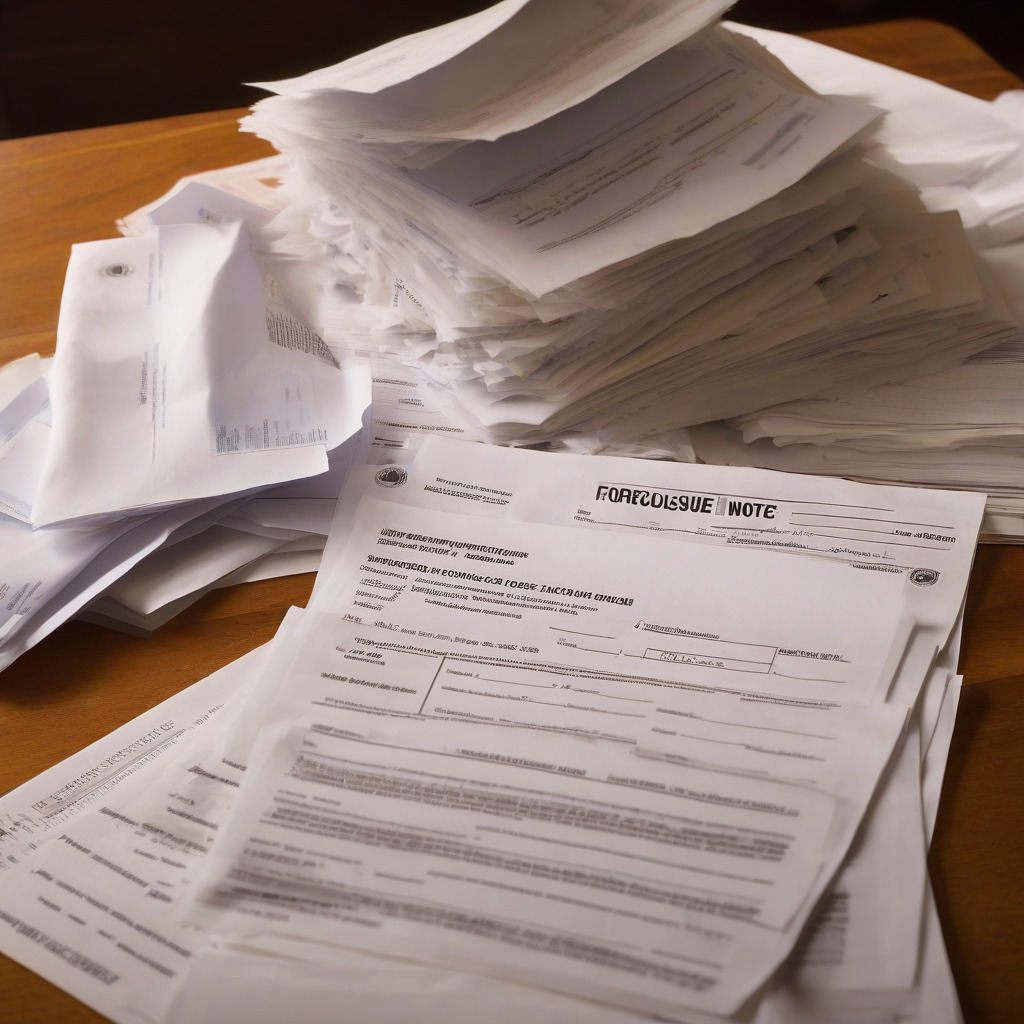
Editor’s note: This piece is publication-ready pending verification of specific facts flagged with [VERIFY] markers — the court filing fee, the applicable redemption period for HOA judicial foreclosures, the exact pre-lien cure-notice language in C.R.S. § 38-33.3-316(10), current super-lien statutory language, and any 2025 CCIOA amendments. Attorney and management company quotes are placeholder [QUOTE] blocks requiring original reporting before publication.
Fall is when Denver’s condo market moves. Buyers are signing purchase contracts in Capitol Hill, RiNo, and Central Park right now, before winter slows everything down. Many of them are walking into HOA-governed buildings for the first time, reviewing reserve fund studies and special assessment histories, trying to figure out whether the HOA running their new building is financially stable.
What almost none of them are asking — and what almost none of the disclosure packets explain — is what happens if they ever miss a few months of dues. The answer surprises most people. It’s more procedurally specific, and more serious, than the word “foreclosure” implies.
Yes, your Denver HOA can foreclose on your condo. Colorado law gives them that authority. But the process is slower and more constrained than you’d assume. The Colorado Common Interest Ownership Act sets out a specific chain of requirements the HOA must satisfy before a lien becomes a foreclosure action. Owners who understand that chain have real options at every stage. That’s the part nobody explains at closing.
Here’s what Colorado law actually says, milestone by milestone.
The HOA Has Lien Rights Almost Immediately. The Dollar Floor Is Lower Than You Think.
Colorado law sets no minimum dollar threshold before an HOA can record a lien against your unit. Under C.R.S. § 38-33.3-316, the statutory authority to record a lien attaches the moment an assessment goes unpaid. No floor. No requirement that the delinquency reach $500 or any other specific number.
In practice, most HOA boards and management companies don’t rush to the recorder’s office over a single missed payment. A Capitol Hill mid-rise managed by a professional management company might wait 60 days before initiating formal collection. A smaller self-managed building in the Golden Triangle might move faster — or slower, depending entirely on how its board wrote its internal procedures. Most associations establish a written collection policy that sets a practical threshold somewhere between one and two months past due.
If you’re buying into an HOA-governed building right now, or already own a unit, request the association’s written collection policy. This document tells you when the association triggers collection activity, when they bring in outside counsel, and when they authorize a lien filing. It’s not always volunteered. Ask for it by name.
The statutory lien right doesn’t wait for any of those internal thresholds. It attaches when the assessment is due and unpaid. The collection policy governs when the HOA acts on that right — not whether the right exists.
What the HOA Must Send You Before Recording a Lien
CCIOA and most HOA governing documents require a specific notification sequence before a lien is formally recorded. Skipping these steps isn’t a technicality — it’s a procedural defect that gives an owner a legitimate defense. Owners who know that tend to fare considerably better than owners who don’t.
The required sequence works like this. When your account goes past due, the HOA must send written notice of the delinquency, specifying the amount owed and how to cure it. You’re then given an opportunity to pay before further action is taken. Cure periods of 30 days are standard in most Colorado HOA governing documents. Before actually recording a lien, the HOA must provide additional notice. [VERIFY exact content and delivery requirements under C.R.S. § 38-33.3-316(10).] That step triggers your last clear window to pay before the lien becomes a matter of public record.
If you’ve received collection notices that don’t follow this sequence — or if you feel blindsided by a recorded lien and never received written notice — request a full payment history and correspondence log from the management company immediately, in writing. If the HOA failed to send required notices by the required method, that failure can be raised as a defense in any subsequent proceeding. This is exactly the situation where talking to an owner-side attorney becomes useful before anything else.
The Super-Lien. Why Your Mortgage Lender Is Also Paying Attention.
Colorado has what real estate attorneys call a “super-lien” provision. Under C.R.S. § 38-33.3-316(2)(b) [VERIFY current statutory language for any 2023–2025 amendments], an HOA lien takes priority over a first mortgage lender — but only for a specific, limited amount: the equivalent of six months of regular periodic assessments.
Not six months of accumulated arrears. Six months of the regular periodic assessment amount. If dues are $350 a month, the super-lien senior portion is $2,100 — regardless of how much more the owner actually owes. That $2,100 sits ahead of the mortgage lender’s interest. Everything above it — more months of dues, late fees, attorney fees — is a junior lien that falls behind the first mortgage.
Your mortgage servicer may contact you before the HOA’s attorney does. Lenders and their title insurance companies monitor HOA lien filings because that six-month senior portion represents real priority exposure on the collateral they’re holding. Some servicers will advance funds to pay it off themselves, then add the amount to your loan balance, rather than risk losing first-lien position on the property. If your servicer calls about an HOA delinquency, that’s what’s happening. It doesn’t make the delinquency go away. It converts it into a different kind of debt, quietly, in a way that can catch owners off guard months later when an escrow adjustment shows up.
The super-lien provision also explains why HOA foreclosures, when they proceed, generate more urgency at the lender level than the general real estate press usually conveys. The first six months of dues aren’t just a debt. They’re a priority claim.
How a Colorado HOA Foreclosure Actually Works
Here’s the detail most national real estate content gets wrong or skips entirely: Colorado HOA foreclosures are judicial. That matters enormously for the timeline.
Mortgage lenders in Colorado can use a non-judicial foreclosure process — Rule 120 proceedings that move faster and with less court involvement. HOAs cannot. An HOA that wants to foreclose must file a civil action in district court, obtain a judgment, and only then proceed to a sale. For Denver properties, that means filing in Denver County District Court at 1437 Bannock Street.
The practical effect is a significantly longer timeline. From first missed payment through a final foreclosure sale, a realistic span in Denver courts runs well over a year — sometimes approaching two, depending on court dockets, whether the owner responds to the complaint, and how aggressively either side litigates. [VERIFY this range with a Denver HOA attorney — Altitude Community Law or Winzenburg, Leff, Purvis & Payne for the HOA-side perspective; Frascona, Joiner, Goodman and Greenstein for the owner-side perspective.]
[QUOTE BLOCK — HOA-side attorney, Altitude Community Law or Winzenburg, Leff, Purvis & Payne: realistic timeline from first missed payment to foreclosure sale in Denver County; how often it actually proceeds that far; what owners do that helps or hurts their position.]
[QUOTE BLOCK — Owner-side attorney, Frascona, Joiner, Goodman and Greenstein: what owners who call at various stages can realistically expect; what attorney-fee accumulation looks like by the time a case reaches court; what procedural defenses actually work.]
The court filing fee for this type of civil action is [VERIFY current Denver County District Court filing fee — approximately $224–$235 per recent Colorado court schedules, but confirm with court clerk before publication]. By the time an HOA files in district court, the association has typically been paying its collection attorney for months already, and those fees accrue to the owner’s balance under most CCIOA-governed collection policies. This cost reality cuts both ways. It’s a serious threat to owners — but it also means HOAs and their attorneys generally prefer a negotiated payment plan to full litigation. They’re not eager to spend money on a lawsuit either. That shared reluctance is more useful to an owner than most people realize.
When You Can Stop the Foreclosure. And When That Window Closes.
You can stop a Colorado HOA foreclosure at any point before the sale by paying everything owed. Not just the original delinquency — all of it: late fees, attorney fees, court costs as they’ve accumulated.
That distinction matters more than most people realize. If you owe $1,800 in dues when the lien is recorded and you wait until a court judgment, what you now owe to cure the default will be substantially higher. The right to cure stays open until the sale date, but the price of exercising it rises continuously.
After the sale, the owner’s ability to recover the property changes significantly. [VERIFY the applicable redemption period for HOA judicial foreclosures under Colorado statute — the brief notes approximately 75 days but flags this for confirmation in the HOA judicial foreclosure context specifically.] Redemption at that stage requires paying the full sale price plus accrued interest — a considerably higher bar than simply paying off the underlying debt.
Think of each stage as a ratchet. It only goes one direction. A payment plan negotiated before a lien is recorded costs nothing beyond the delinquent dues. One negotiated after a lien is recorded but before court filing still avoids litigation fees. A settlement during active litigation means paying those fees. Waiting until after a sale triggers redemption mechanics and a number most owners can’t meet. The earlier you act, the cheaper it is to act.
[QUOTE BLOCK — Denver HOA management company (Colorado Association Services, Westwind Management Group, or comparable): what percentage of delinquent accounts actually proceed to foreclosure filing versus resolving through payment plans; standard practice when an owner contacts them before a due date versus after.]
What Actually Happens to Most Denver Delinquencies
The foreclosure procedure above is real, and it happens. But it’s the tail of the distribution, not the median outcome. [VERIFY with a Denver HOA management company: the percentage of recorded HOA liens that proceed to actual foreclosure filing versus resolving through payment in full, payment plans, or property sale. Industry anecdote puts this below 10 percent of liens filed, but a local figure is needed.]
The Denver neighborhoods where this matters most are the ones with the densest HOA-governed condo stock: Capitol Hill, LoDo, RiNo, the Golden Triangle, Central Park. Dues in those neighborhoods vary considerably — under $300 a month for older low-rise buildings, $600 or more for amenity-heavy high-rises. Higher monthly dues mean a faster-growing delinquency balance and, generally, faster triggering of formal collection.
The current market context makes this worth taking seriously. Inventory in the attached-unit segment remains elevated relative to pre-pandemic levels, and buyer demand has been softer than in the single-family market. Some owner-occupants who bought at 2021 or 2022 prices are sitting on compressed equity while HOA dues have gone up — a combination that would have seemed theoretical three years ago, when every unit in RiNo seemed to have backup offers. It’s not theoretical now. Buyers closing on condos this fall should treat HOA financial health and collection policy as actual due-diligence items, not boilerplate. Our legal and finance coverage regularly tracks Colorado property law developments that affect condo owners in exactly this position.
What to Do in the Next 30 Days If You’re Going to Miss a Payment
If you’re reading this because a payment is coming up short, do these things in order.
Read your HOA’s written collection policy before anything else. This document tells you the exact internal trigger for lien filing, the required notice sequence, and how attorney fee recovery works. You can’t negotiate intelligently without knowing what the policy says.
Contact the management company in writing before the due date — not after. Proactive contact is documented evidence of good faith and gives the management company a reason to flag your account for payment-plan consideration before automated collection kicks in. An email sent two days before the due date is worth more than a phone call made a month after.
If the management company offers a payment plan, get the terms in writing before you send any money. Verbal agreements aren’t enforceable, and the person you spoke with on the phone may not be the person who processes your next payment.
Review every delinquency notice you’ve received and check that the HOA followed its own cure-notice procedure — including method of delivery. If required notices went out by email when certified mail was required, or skipped a step entirely, that’s relevant to any subsequent dispute.
If a lien has already been recorded, talk to a Denver owner-side real estate attorney before the next billing cycle. Frascona, Joiner, Goodman and Greenstein handles Colorado real estate disputes including HOA matters and is a reasonable starting point for an initial consultation. At this stage you need a professional assessment of whether the HOA followed required procedures and what your realistic options are — not a general explanation of how foreclosure works. For a broader look at what Colorado law requires of associations on the owner-rights side, see what Denver homeowners need to know about HOA rights under Colorado law.
Call your mortgage servicer directly and ask whether they’ve received notice of an HOA lien on your property. As described above, some servicers will advance funds to cover the senior-priority portion. Better to know before an escrow adjustment lands in your inbox.
Two resources most Denver condo owners have never heard of: The Colorado HOA Information and Resource Center — a state office — provides information about owner rights under CCIOA and can help owners understand whether their HOA is following required procedures. The Denver County District Court self-help center at 1437 Bannock Street can assist owners who need to respond to a civil filing without an attorney.
What Colorado Legislation May Change Before Your Next Renewal
[VERIFY at leg.colorado.gov before publication: any 2025 CCIOA amendments affecting HOA foreclosure procedure, lien thresholds, or collection notice requirements. If 2025 amendments passed, describe specifically here with bill number and effective date. If no 2025 amendments, note explicitly that the law is unchanged since the last amendment year and flag any 2026 session bills to watch.]
Colorado’s legislature has paid consistent attention to HOA governance over the past several sessions, modifying collection practices, notice requirements, and owner rights under CCIOA. It hasn’t always moved fast — HOA reform gets complicated quickly once lender interests, management company lobbying, and competing claims from board members and individual unit owners all enter the room. But the direction has generally been toward stronger owner protections. The Colorado General Assembly’s bill tracker at leg.colorado.gov, searching “CCIOA” or “common interest community,” will surface relevant legislation. The HOA Information and Resource Center’s update page translates changes into plain-language summaries.
The Bottom Line for Denver Condo Owners and Fall Buyers
Colorado law gives HOAs genuine foreclosure authority. It also builds in a procedural chain — required notices, cure periods, judicial process, redemption rights — that gives owners multiple intervention points if they engage early and understand what the law requires.
The worst outcomes in HOA foreclosure cases aren’t random. They share a pattern: the owner didn’t know the timeline was running, or didn’t know they had options, or waited until attorney-fee accumulation had turned a manageable delinquency into an unmanageable judgment. None of that is inevitable.
If you’re closing on a Denver condo this fall, request the collection policy along with the financials. If you own one and your budget is tightening, call the management company before the payment is due — not two months after. The pipeline from missed payment to foreclosure is long, slow, and expensive for the HOA as well as for you. Both sides have an interest in not going there. Use that before you need it.
Have questions about Denver HOA law or a situation you’d like our coverage to address? Contact CityDesk Denver at [editorial email]. This article is informational and does not constitute legal advice. Readers facing HOA delinquency or foreclosure should consult a Colorado-licensed real estate attorney.