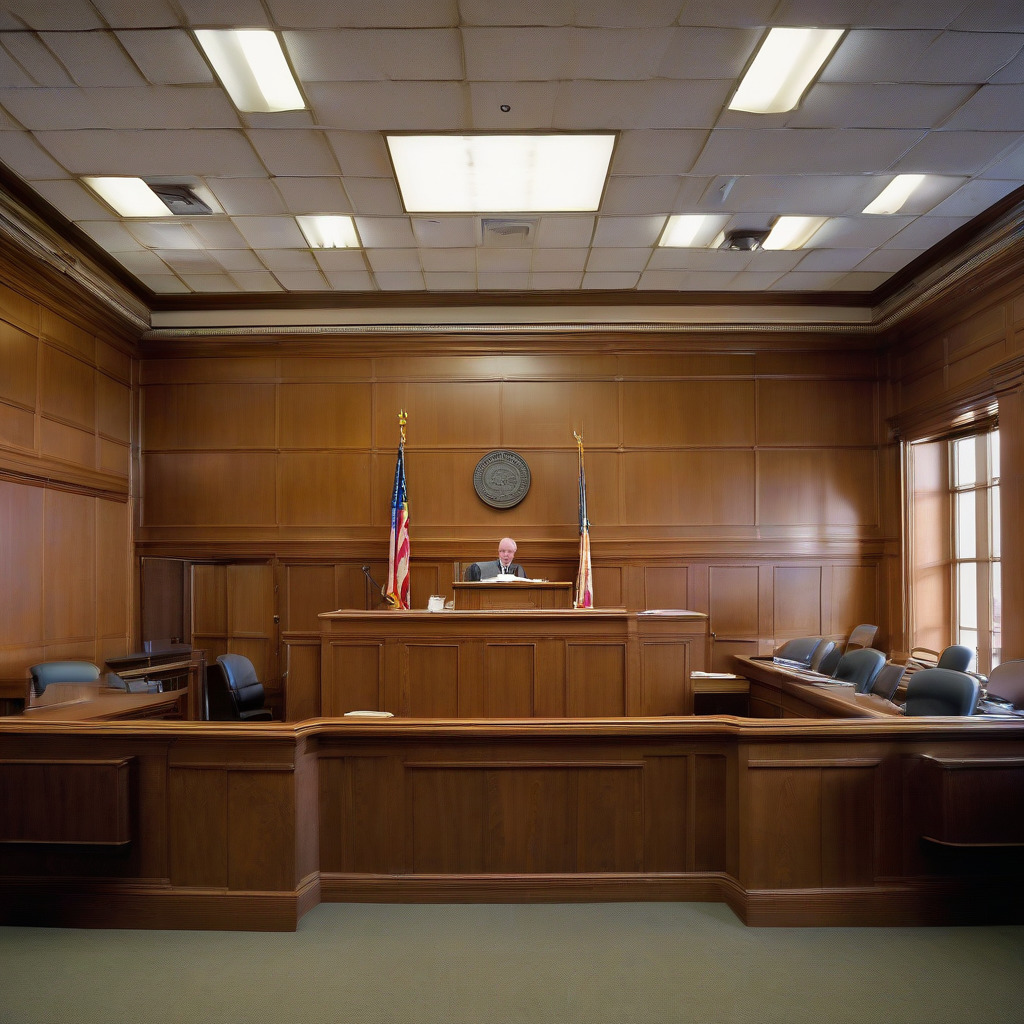
What Denver Tenants Can Do When Their Landlord Refuses to Fix Air Conditioning
Denver's post-2022 rental licensing overhaul changed the enforcement picture. Here's the specific legal timeline, the right city agencies to call, and the remedies that won't get you evicted.

Denver’s post-2022 rental licensing overhaul changed the enforcement picture. Here’s the specific legal timeline, the right city agencies to call, and the remedies that won’t get you evicted.
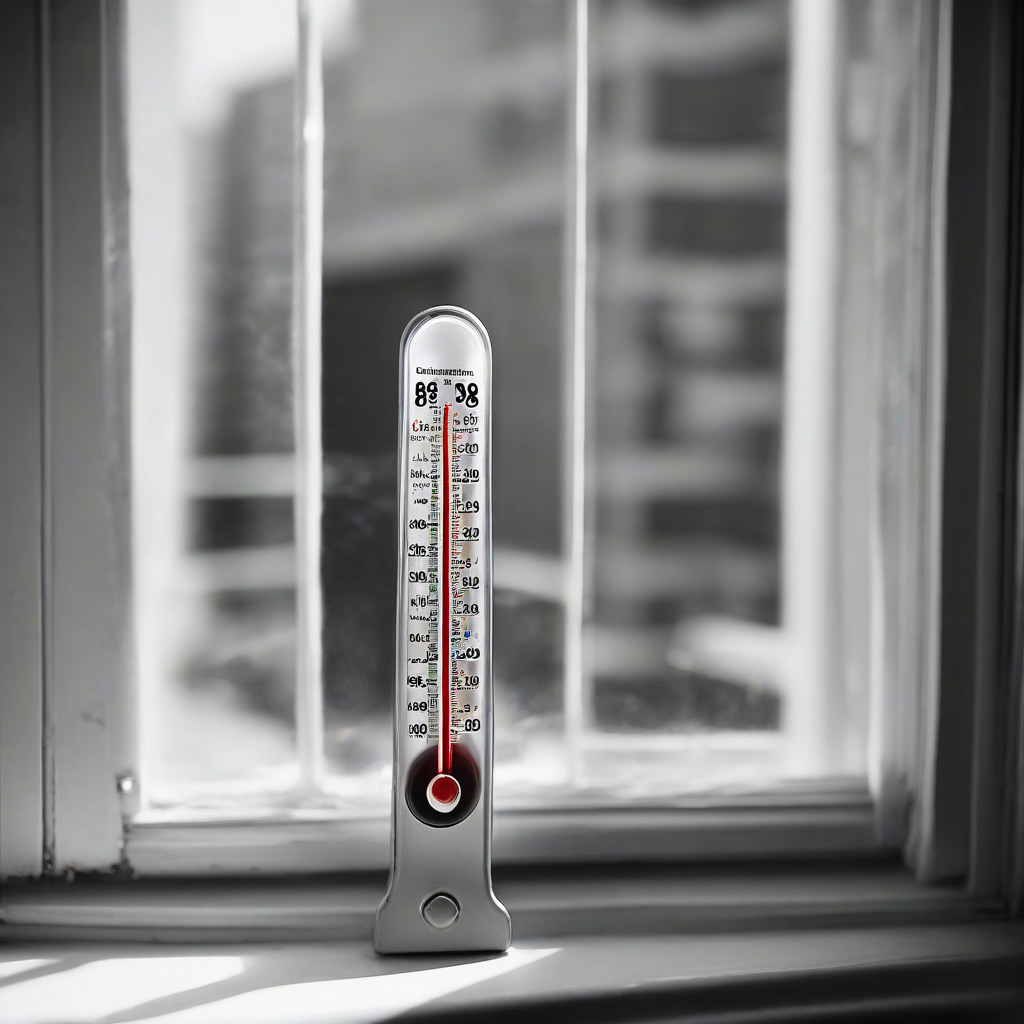
It’s 97 degrees in Globeville. The heat advisory has been running for three days. Your bedroom window unit stopped cooling two weeks ago — the one that was working when you signed the lease. You’ve texted your landlord four times. You’ve called once. Nothing happens. By two in the afternoon, the apartment hits 88 degrees.
This is not a comfort complaint. It’s a health and legal situation, and Denver’s law gives you more tools than most tenants realize — but only if you use them in the right order. Get the sequence wrong and you could end up owing back rent to a landlord who is, by any reasonable standard, the one who violated the lease.
Does Denver Actually Require Landlords to Provide Air Conditioning?
The short answer is no. Also yes, depending on your situation.
Denver doesn’t require landlords to install AC in every rental unit. The Denver Revised Municipal Code has no provision mandating that every apartment come equipped with cooling equipment. If you rented a unit that never had AC, that absence alone almost certainly isn’t a habitability violation.
But if the landlord provided air conditioning as part of the rental — a window unit, a through-wall unit, central air — that equipment is now a landlord obligation. Under Colorado law and Denver’s housing code, any appliance or system supplied as part of the rental must be maintained in working order. The moment that AC unit was in the apartment when you signed the lease, the landlord took on a legal duty to keep it functional.
Most statewide tenant resources skip this distinction. It’s the one that determines whether you have a case.
What “Habitability” Means During a Denver Heat Wave
Colorado’s warranty of habitability lives in CRS § 38-12-503. It requires landlords to keep rental property in a condition that is “fit for human habitation” — safe, structurally sound, and livable throughout the tenancy. Not just at move-in.
The statute doesn’t set a specific thermometer reading. There’s no line saying “if your unit exceeds 85°F, you have a habitability violation.” It uses a “reasonable and safe” standard, and context counts.
A unit that regularly hits 90 degrees indoors during a July heat advisory makes a stronger case than one that gets warm on a single bad afternoon. Denver averages somewhere in the range of 30-plus days above 90°F annually, and that number has been trending upward. The urban heat island effect hits hardest in the northern and eastern industrial neighborhoods — Elyria-Swansea, Cole, Globeville — where older rental stock is concentrated, tree canopy is sparse, and ambient temperatures run several degrees above the rest of the city. If you’ve spent a July afternoon in those neighborhoods, you know exactly what that means. It’s a different city than the one shaded by mature elms in Park Hill, and courts and housing inspectors understand that when they evaluate whether conditions are “reasonable and safe.”
Denver’s housing code separately requires that landlords maintain essential facilities and equipment in good working order. If cooling equipment was supplied, that language gives the city grounds to cite a landlord for failing to maintain it — independent of any state warranty-of-habitability claim. That’s two separate tracks you can run simultaneously, which matters when you’re trying to create pressure.
The Post-2022 Change That Shifted the Enforcement Picture
Denver’s rental housing licensing ordinance, phased into effect beginning in 2023 and 2024, requires most residential landlords operating in Denver to hold a city rental housing license. That license is tied to housing code compliance. A landlord carrying unresolved habitability violations — including failed equipment they provided as part of the rental — can face license suspension or revocation.
Before licensing, a tenant complaint typically resulted in an inspector visit, a correction notice, and a fine the landlord absorbed as a cost of doing business. The process dragged. Under the licensing regime, repeated or severe violations now threaten the landlord’s ability to legally rent the property at all.
This is one of the more consequential local tenant-protection changes in recent memory, and it has gotten almost no attention outside of housing advocacy circles. As part of our landlord-tenant legal coverage, we track how these enforcement shifts play out in practice. A complaint filed through the city’s rental housing licensing portal creates a formal record against the landlord’s license — not just a correction notice. It can trigger an inspection with consequences that extend beyond a single violation. The old enforcement system and the licensing system now run in parallel. That’s genuinely new leverage, and most tenants don’t know it exists.
Step One: Document Everything and Send Written Notice
Before you call any city agency. Before you consider any legal remedy. Put your complaint in writing and deliver it in a way that creates a clear record.
Under CRS § 38-12-507, written notice to the landlord is what starts the legal clock. Without it, the statutory repair deadlines don’t apply and none of the legal remedies — repair-and-deduct, rent escrow, lease termination — are available to you. A text message thread is supporting documentation. It is not proper notice. This matters even if the text thread is extensive, timestamped, and shows your landlord explicitly ignoring you.
Your written notice should include the date, your name and address, a description of the defective equipment (the AC unit, its location, when it stopped working), a summary of prior communications, and a clear statement that you’re requesting repair and that the condition affects the habitability of the unit.
Deliver it two ways that both create records: email (automatically timestamped) plus either hand-delivery with a witness or certified mail. If your lease specifies a notice address, use it. Keep copies.
Once proper notice is delivered, Colorado law sets specific repair timelines:
- 24 hours for emergency conditions — those creating an immediate threat to health or safety
- 72 hours for urgent but non-emergency conditions
A broken AC unit during a documented heat emergency, particularly for a tenant with a heat-sensitive medical condition, warrants the 24-hour timeline. Without an active heat advisory, 72 hours is the standard. Either way, if the landlord doesn’t act within the applicable window, your legal options open up.
Step Two: File With the City — All Three Ways
If written notice doesn’t produce action, Denver gives you parallel complaint paths. Use them all.
Call 311 (720-913-1311). This routes a housing condition complaint into the city’s inspection system, gets logged with a tracking number, and dispatches an inspection team. If you’re calling during a heat advisory, say so clearly and up front. Don’t bury it.
Contact the Denver Department of Public Health and Environment. Extreme heat conditions qualify as a public health issue, and DDPHE can conduct its own inspection and issue separate findings documenting the health risk. That second, independently documented record matters if you end up in front of a judge.
File through Denver’s rental housing licensing portal at denvergov.org. This is the track that implicates the landlord’s license directly. If you’re unsure whether your landlord is licensed, the city’s licensing lookup tool is on the same site.
Filing across all three systems creates a paper trail that no single complaint can replicate. Yes, it’s more work than one phone call. Do it anyway.
Step Three: Your Legal Options If the Landlord Still Doesn’t Act
Once you’ve delivered proper written notice and the repair deadline has passed without action, Colorado law gives you three remedies. Talk to an attorney before you use any of them — and as you’ll see below, there are free options for that.
Repair-and-deduct. You arrange the repair yourself and deduct the cost from rent, subject to a statutory cap. This works well for a discrete equipment repair like replacing a window unit. It’s less suited to complex HVAC failures where costs can quickly exceed the cap. Keep every receipt, every invoice, every contractor communication.
Rent escrow. Rather than withholding rent — which is dangerous, covered below — you deposit rent payments into a court-supervised escrow account while the issue remains unresolved. The money is held; neither side can access it until the dispute is settled. This preserves your lease while creating real financial pressure on the landlord. Doing it correctly requires filing with a court under CRS § 38-12-507. Don’t try to improvise a version of this on your own.
Lease termination and damages. If the condition is a material breach and the landlord has failed to act within the statutory window, you can terminate the lease — but only if you follow the statutory process. Moving out and stopping payment without that process hands the landlord a clean case against you. A tenant who follows the process correctly can pursue the landlord for the difference between what they paid and what the unit was actually worth during the period of the violation, plus costs of alternative lodging.
Colorado’s 2021 HB 21-1121 update added attorney’s fees for tenants who prevail on habitability claims. That provision is what makes these cases viable for people who can’t pay hourly rates. It’s what allows legal aid attorneys and private practitioners to take habitability cases knowing there’s a recovery mechanism if they win. Without it, most of this statute would be theoretical for the tenants who need it most.
The Rent-Withholding Trap — and Why Retaliation Is Illegal
The single most dangerous thing a tenant can do here is simply stop paying rent. It feels just. It will almost certainly result in an eviction filing.
Colorado law doesn’t recognize “the landlord didn’t fix the AC” as a defense to nonpayment unless you’ve followed the procedural steps: written notice, expired deadline, proper escrow or repair-and-deduct procedure. A tenant who stops paying without those steps hands the landlord a clean eviction case. The habitability issue doesn’t disappear, but it becomes a counterclaim in an eviction proceeding rather than the primary issue. That is a much worse position.
Colorado’s anti-retaliation statute (CRS § 38-12-509) makes it illegal for a landlord to raise rent, reduce services, refuse to renew a lease, or threaten or commence eviction because a tenant filed a housing complaint. If any of those things happen after you file, the law creates a presumption of retaliation and shifts the burden to the landlord to prove otherwise.
Fear of retaliation is real, and I won’t pretend it isn’t — particularly in neighborhoods with tight rental markets and high proportions of renters who may not have strong documentation of their status. The agencies listed below have specific experience with retaliation cases in neighborhoods like Sun Valley, Globeville, and Montbello. Ask them directly about retaliation risk when you call. That’s not a conversation to have after something happens.
Free Legal Help in Denver
Legal Aid Foundation of Colorado (1905 Sherman St., Denver; 303-837-1313) provides free civil legal services to low-income residents. Habitability and landlord-tenant disputes are a core practice area. Call first to confirm income eligibility before scheduling an appointment.
Colorado Legal Services is a statewide nonprofit that handles tenant representation for qualifying clients in Denver. Contact through coloradolegalservices.org.
The Colorado Poverty Law Project operates a tenant-specific helpline for renters facing habitability and eviction issues. This is a useful first call if you’re uncertain where your situation falls legally — they can point you toward the right resources without requiring you to know in advance which box you fit in.
Denver’s Office of Dispute Resolution, accessible through the Denver County Court system, offers mediation as a pre-litigation option. This is worth considering when the landlord relationship is otherwise functional but communication has broken down. It’s faster and cheaper than court, and it sometimes works.
Colorado Bar Association Lawyer Referral Service (303-831-8000) connects tenants above legal aid income thresholds with attorneys who handle landlord-tenant matters. Many offer reduced-fee initial consultations.
Quick-Reference Contact Sheet
Verify all phone numbers and URLs at time of use. Numbers and addresses marked ⚑ require confirmation before publication.
| Agency / Resource | Phone | Web |
|---|---|---|
| Denver 311 (housing complaints) | 720-913-1311 | denvergov.org/311 |
| DDPHE (public health complaints) | ⚑ Verify current number | denvergov.org/DDPHE |
| Denver Rental Housing Licensing Portal | — | denvergov.org (search “rental housing license”) |
| Legal Aid Foundation of Colorado | 303-837-1313 ⚑ | ⚑ Verify current URL |
| Colorado Legal Services | — | coloradolegalservices.org |
| Colorado Poverty Law Project / Tenants Helpline | — | ⚑ Verify current URL |
| Denver Office of Dispute Resolution | — | denvercountycourt.org |
| Colorado Bar Association Lawyer Referral | 303-831-8000 | cobar.org |
⚑ Requires verification before publication.
Editor’s note: A quote from a Denver housing attorney on what “reasonable time to repair” means in actual practice — and the most common procedural mistake tenants make — is required before this piece publishes. The DDPHE complaint line, the repair-and-deduct cost cap, and the rental housing licensing ordinance number should all be verified against current code. The ordinance number has been removed from body text pending confirmation from the Denver City Council legislative archive or CPD. DDPHE complaint volume data for the 2023 and 2024 heat seasons is obtainable via a CORA request and would add real enforcement context to the licensing section.