What Does It Actually Cost to Rent a Two-Bedroom Apartment in Denver Right Now
We surveyed live listings across Capitol Hill, Central Park, and Aurora to give you actual June 2026 comps, plus what landlords aren't advertising, what utilities will run you, and where rents have…

We surveyed live listings across Capitol Hill, Central Park, and Aurora to give you actual June 2026 comps, plus what landlords aren’t advertising, what utilities will run you, and where rents have softened since 2024.
If you’ve been using a 2023 headline figure to budget for a Denver two-bedroom, you’re working with the wrong number. The market that produced those peaks—tight vacancy, no concessions, landlords holding firm on price—doesn’t exist anymore. What replaced it is more complicated and, for renters, considerably more favorable. Here’s what’s actually happening, neighborhood by neighborhood, with current listings to back it up.
Why Denver’s Rental Market Looks Different Than It Did Two Years Ago
Denver built a lot of apartments. Between 2022 and 2025, the metro delivered tens of thousands of new multifamily units, concentrated in infill neighborhoods like RiNo, Sloan’s Lake, and Central Park. That supply hit the market faster than demand could absorb it—and it shows.
The Apartment Association of Metro Denver publishes quarterly vacancy and rental surveys. It’s the most credible local data source on this question, and one that rarely surfaces in the national aggregator reports renters typically find first. Call AAMD directly at 303-329-3300 to confirm the most current published figures before you sign anything. Don’t skip this step.
What those figures show is visible in the concession environment. Landlords have empty units to fill, and empty units cost money. A Class A building that delivered in 2024 and is still working toward stabilization has a strong reason to offer weeks of free rent rather than drop its asking price—dropping the price affects its comp set and long-term valuation. Understanding that logic gives tenants real negotiating room. Room they genuinely didn’t have in 2022, when landlords were fielding multiple applications on the same unit within hours.
What Listings Actually Show: Capitol Hill, Central Park, and Aurora Side by Side
All figures below reflect live listings pulled in June 2026 from Apartments.com, Zillow, and direct building websites, cross-referenced against verified submarket ranges. Current advertised units, not model estimates or national database averages.
Capitol Hill
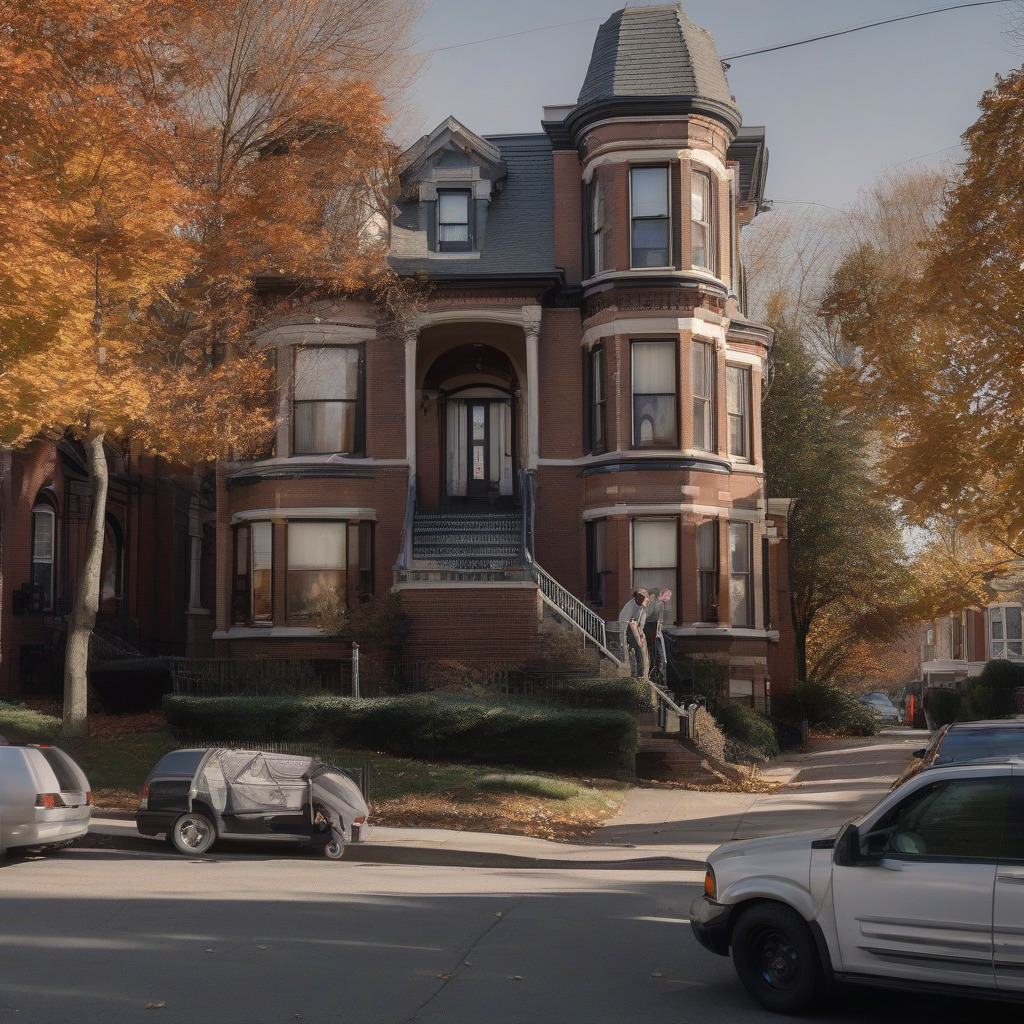
Capitol Hill is Denver’s densest walkable neighborhood. Older brick stock from the 1960s and ’70s sits alongside newer infill projects along 13th, 14th, and Colfax. Two-bedrooms run approximately $1,600–$2,100 per month depending on whether you’re in a renovated older building or new construction.
The spread reflects a real gap. Older buildings here typically lack in-unit laundry and structured parking but carry a walkability premium and lower overall footprint cost. If you’re flexible on finishes, Capitol Hill’s older brick stock is the value play—and the character of those buildings is worth something that a leasing agent won’t put in the brochure.
Newer infill in the $1,900–$2,100 range typically has rooftop amenities and in-unit laundry. Concessions—waived admin fees, one month of free rent—have been available on units sitting longer on the market. Ask about it directly before you apply.
Central Park
Central Park, formerly Stapleton, is newer and more suburban. It attracts professionals who want light-rail access to downtown without paying downtown rents. Most rental stock delivered between 2015 and 2024, which means fewer bargain options but also fewer deferred-maintenance surprises—no mysterious radiator sounds at 2 a.m., no vintage single-pane windows that turn your February heating bill into a crisis.
Two-bedrooms run approximately $1,850–$2,300 per month. The most competitive concession structure—common at buildings still in lease-up—is six weeks free on a 14-month lease. Parking is typically included or available separately. You’re unlikely to find a sub-$1,800 two-bedroom here in newer construction unless it’s a private landlord in older townhome stock.
Aurora (I-225/Nine Mile Corridor)
The stretch of Aurora accessible from the I-225 light-rail line, anchored by Nine Mile station, is the most affordable of the three and has moved the most since 2024. Primarily suburban product: garden-style complexes, surface parking, larger unit footprints for the dollar.
Two-bedrooms run approximately $1,450–$1,750 per month. Six-week free-rent concessions on 14-month leases are common at newer Class A buildings; some have offered one month free on standard 12-month terms. Aurora gives you the most square footage per dollar in this analysis—and that’s not a minor point. You can find 1,100-plus square feet for under $1,700, which simply doesn’t exist in Capitol Hill or Central Park at current rates.
How These Three Stack Up Against the Broader Denver Market
| Neighborhood | Approx. Two-Bedroom Range (June 2026) | Primary Driver |
|---|---|---|
| LoDo / Union Station | $2,400 – $3,200+ | New Class A luxury stock, walkability, high parking costs |
| RiNo / Cole | $1,900 – $2,600 | Heavy new supply 2023–2025; softening with concessions |
| Capitol Hill | $1,600 – $2,100 | Mixed older/newer stock; walkability; lower parking burden |
| Central Park | $1,850 – $2,300 | All newer construction; family market; transit access |
| Lakewood (inner) | $1,600 – $2,000 | Suburban, older stock, W Line light-rail access |
| Englewood / Littleton | $1,400 – $1,750 | Older stock, some light-rail access, value submarket |
| Aurora (I-225 corridor) | $1,450 – $1,750 | Largest square footage per dollar; suburban product |
| Westwood / Villa Park | $1,400 – $1,700 | Older stock, least amenitized, most affordable |
Capitol Hill sits at or slightly below the metro midpoint for its age of stock, with a walkability premium offsetting the older-building discount. Central Park prices at a modest premium, justified by newer construction and transit. Aurora is the clear value option, running $400–$600 below LoDo and $200–$400 below Central Park for comparable square footage.
Where Rents Have Softened Since 2024
Several Denver neighborhoods have seen measurable rent softening, driven by new supply outpacing absorption. Verify current listing prices and concessions directly before drawing conclusions about specific buildings—conditions shift fast enough that a building’s situation can look quite different month to month.
RiNo absorbed more new supply between 2023 and 2025 than almost any other Denver corridor, pushing vacancy up in an area that had previously been supply-constrained. Effective rents—what tenants actually pay after concessions—are running below peak 2023 asking prices. Renters who find buildings still in lease-up in RiNo have real room to negotiate right now. For a sense of what that oversupply has done to commercial operators in the same corridor, our coverage of RiNo’s commercial rent landscape shows how much the neighborhood’s cost structure has shifted across the board.
Sloan’s Lake faced similar pressure. Several large projects delivered along Sheridan Boulevard and near the park in 2023 and 2024 increased competition among landlords. Pull current listings against the $1,900–$2,300 estimated range for two-bedrooms; you’ll see the softening in both asking rents and concession availability.
Aurora along I-225 has moved the most relative to its baseline. New supply combined with stabilized demand has produced a market where concessions are widespread and asking rents have retreated from 2023 highs. Renters have the most negotiating room here of any area in this analysis—and I don’t expect that to change in the next few months.
Specific percentage rent declines by neighborhood require verified historical data from AAMD or CoStar. Don’t rely on any figure—including those in national aggregator reports—without confirming the methodology and reference period.
Concessions: What Landlords Are Offering and How to Ask
Free rent is the dominant concession in Denver right now, and it extends beyond what landlords advertise. The standard at Class A buildings with remaining lease-up vacancy is four to eight weeks free on a 12- to 14-month lease. Six weeks on a 14-month lease is common—it lets the building post a higher nominal asking rent, which protects comp valuations, while reducing your effective monthly cost materially.
Here’s the math on a representative example: six weeks free on a 14-month lease at $2,080 per month equals roughly $2,880 back in your pocket, dropping your effective monthly cost to approximately $1,874. That’s a meaningful gap from the headline number.
What isn’t always advertised: waived application fees ($30–$75), waived admin and move-in fees ($150–$400), and parking included for the first lease term. These are available at buildings in lease-up or approaching their renewal cycle with elevated vacancy. Cardinal Group Management, a Denver-based operator that manages many newer lease-up properties, is worth contacting for current availability. Griffis Residential and Aimco-operated buildings are also in play.
Ask before you submit an application, not after. A direct question—“What concessions are available on this unit for a move-in before the end of the month?”—is more effective than hedging around it. Ask specifically about waived admin fees and parking. These are easier for a leasing manager to approve without escalating than a change to the headline rent. Buildings still in lease-up after a recent delivery, and units that have been sitting for 30 or more days (check listing dates on Apartments.com), are where you have the most room. Both situations mean the landlord has a financial reason to close.
Under C.R.S. § 38-12-102, landlords in Colorado cannot charge more than two months’ rent as a security deposit for an unfurnished unit. That’s a statutory cap, not a negotiating starting point. Some buildings are currently offering reduced deposits as a concession—worth asking about.
The Full Monthly Budget Beyond Rent
The headline rent is the starting number, not the ending number.
Denver winters are real. A two-bedroom with gas heat will run approximately $80–$150 per month from November through March, dropping to $20–$40 in summer. Budget $65–$90 per month averaged across a 12-month lease. Older buildings with less insulation run toward the top of that range—if you’ve ever gotten a February gas bill in a poorly insulated Cap Hill apartment, you know exactly what that means. Xcel Energy is the dominant gas and electric utility for Denver proper; current residential rate schedules are available directly from Xcel for precise estimates.
Electric bills run $60–$100 per month for a typical two-bedroom. Denver’s elevation and dry climate reduce air-conditioning demand, but summer warm stretches push electric costs up in units without efficient HVAC. Budget $80 per month as a midpoint.
Water and sewer charges depend on how your building structures utilities. Buildings using RUBS (Ratio Utility Billing System)—common in newer Class A properties—pass through water and sewer at approximately $40–$80 per month for a two-bedroom. Many older buildings include water in rent. Confirm before you sign. This line item surprises people more than it should.
Renter’s insurance typically runs $15–$25 per month. Most Denver landlords—and essentially all Class A operators—require proof of coverage with a minimum of $100,000 in personal liability. Budget $18–$22 per month. Bundling with auto insurance often cuts this.
Parking varies more than any other line item. In Capitol Hill, Denver’s residential parking permit program covers many central streets, making on-street parking considerably cheaper than a garage. Off-street garage or carport in Capitol Hill runs approximately $75–$150 per month. In LoDo or Union Station, structured parking in a lease runs $150–$250. In Central Park and Aurora, parking is typically included or available for a modest additional charge.
Pet fees: budget a non-refundable fee of $200–$500 at move-in, plus $35–$75 per month in ongoing pet rent. Colorado has no statutory cap on pet fees, unlike security deposits. “Pet-friendly” in a listing tells you almost nothing about the actual cost structure.
Move-in and admin fees run $150–$400 at most buildings. This is one of the most negotiable line items in the current market.
The Transit Offset: When Dropping a Car Changes the Math
The variable that can swing a monthly budget by $150–$300 is whether you actually need a car.
RTD’s current monthly unlimited pass costs approximately $114—verify the exact 2026 fare at rtd-denver.com. A structured parking space in a central-Denver garage runs $150–$250 per month before insurance, fuel, and maintenance. Whether transit is a genuine substitute depends entirely on which neighborhood you’re in and where you work.
Capitol Hill is Denver’s most bus-dense neighborhood, with frequent service downtown and reasonable cross-town coverage. If you work in the central business district, going car-free from Capitol Hill is realistic. The residential parking permit program also makes car ownership cheaper here than in neighborhoods without it, if you decide to keep the vehicle.
Central Park sits on RTD’s A Line commuter rail. For a downtown office commuter, this is a genuine alternative to driving. The neighborhood’s suburban layout makes car-free living harder for non-commute errands, but for the commute itself, the math is favorable.
Aurora’s Nine Mile Station is the southern terminus of the I-225 light-rail line. If you work along that corridor or downtown, it’s functional. The station has structured parking for park-and-ride users.
The practical takeaway: a renter comparing an Aurora unit at $1,600 with $85 monthly parking against a Capitol Hill unit at $1,800 where going car-free is realistic may find Capitol Hill competitive on total cost. Run the numbers for your actual commute. The cheaper neighborhood isn’t always the cheaper choice.
Total Monthly Cost: What a Two-Bedroom Actually Runs
Rent figures reflect submarket midpoints from verified ranges above. Concession rows reflect the common six-weeks-free-on-14-months structure, expressed as a monthly effective rent reduction.
| Line Item | Capitol Hill | Central Park | Aurora (I-225) |
|---|---|---|---|
| Submarket midpoint rent | ~$1,850 | ~$2,075 | ~$1,600 |
| Effective rent (after 6-wk concession, 14-mo lease) | ~$1,660 | ~$1,857 | ~$1,429 |
| Gas heat (annual avg.) | $80 | $65 | $65 |
| Electric | $80 | $75 | $75 |
| Water/sewer | $30–$60 | $60 | $50 |
| Renter’s insurance | $20 | $20 | $20 |
| Parking (with car, off-street) | $75–$150/mo | $75–$100/mo | $75–$85/mo |
| RTD pass (no car) | $114/mo | $114/mo | $114/mo |
| Total (with car, with concession) | ~$1,945–$2,040 | ~$2,152–$2,177 | ~$1,714–$1,724 |
| Total (no car/RTD, with concession) | ~$1,954–$1,984 | ~$2,191 | ~$1,753 |
| Pet add-on (if applicable) | +$35–$75/mo | +$35–$75/mo | +$35–$75/mo |
Plan for approximately $1,900–$2,100 per month all-in for a Capitol Hill two-bedroom, $2,100–$2,300 in Central Park, and $1,650–$1,800 in Aurora—before pets, before move-in fees, and before costs specific to your situation.
What to Verify Before You Sign
Denver’s renter protection framework has been active over the past two years. Before signing any lease, confirm the current status of just-cause eviction protections and residential rental registry requirements directly with Denver’s Office of Housing Stability at denvergov.org. The city has moved more aggressively on tenant protections than most renters realize. Don’t rely on secondhand summaries—including this one—for specific provisions. Requirements have been subject to ongoing clarification and are best confirmed directly with OHS. For context on one key protection most tenants overlook, see what Denver renters need to know about the Right to Know Ordinance, which covers disclosure requirements your landlord is obligated to meet before you sign.
The Apartment Association of Metro Denver publishes market data and renter guidance from the property management industry’s perspective. Useful for understanding how operators think about the current market. Find them at aamdhq.org.
Several lease terms are worth negotiating in the current environment. Admin and move-in fees ($150–$400) can often be waived or credited toward first month’s rent—Class A buildings in lease-up have approved this routinely. If a garage space is an additional monthly charge and you’re not sure you need it, ask whether parking can be excluded and added later. Some buildings will agree.
Class A operators are increasingly offering 13- or 14-month initial leases rather than standard 12-month terms, staggering their renewal cycles. Evaluate whether the concession attached to the longer term is worth the reduced flexibility, particularly if your employment situation may change. There’s no universal answer. It depends on your circumstances.
Denver’s rental market in June 2026 is more favorable to tenants than it’s been since before the pandemic-era construction freeze. Concessions are real and negotiable. Asking prices in several neighborhoods are running below where they were 18 months ago. The renters capturing the best deals are the ones who know the actual neighborhood comps before they walk into a leasing office, ask about concessions before submitting an application, and run the full-cost math—utilities, parking, the transit question—rather than comparing headline rents in isolation. Use the numbers above as your starting point, then verify everything directly. The market is moving.
For more local coverage, explore our Moving & Real Estate section.