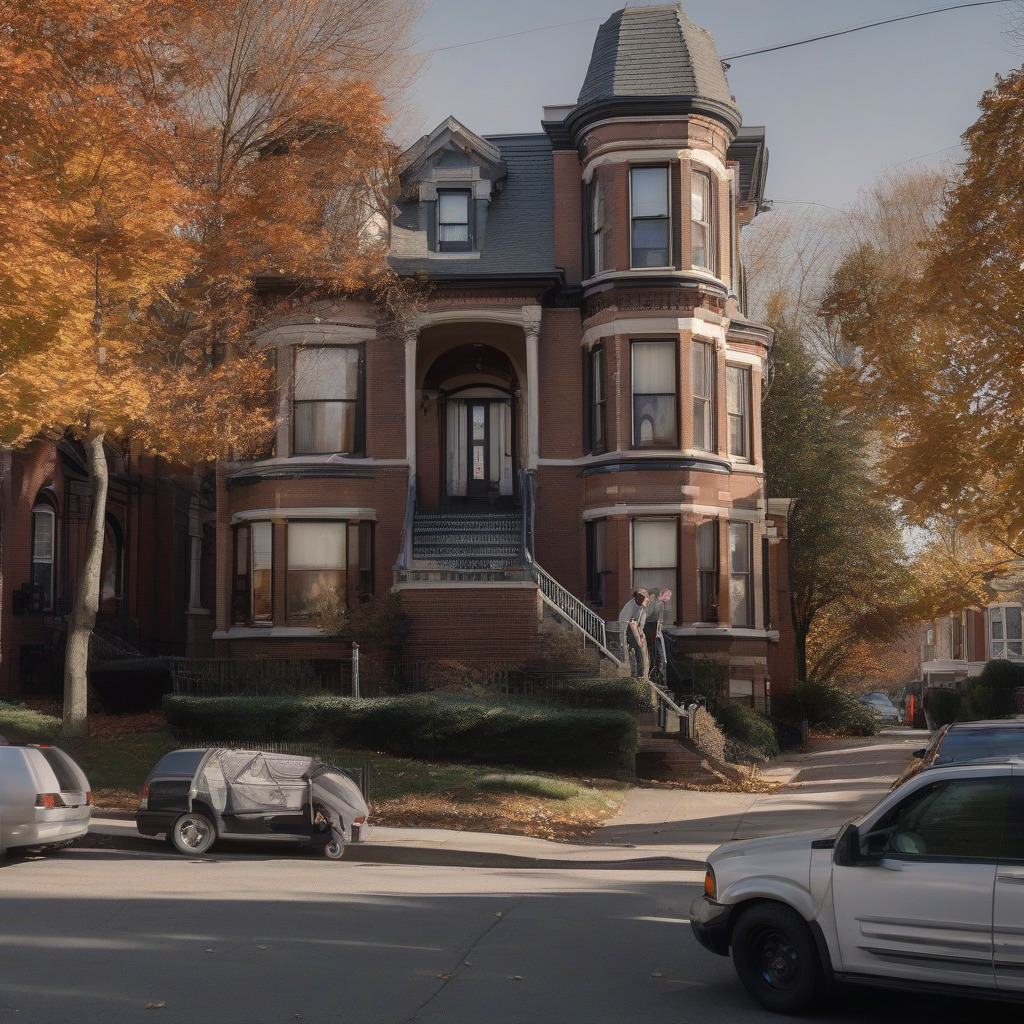
Denver Condo Market in 2026 and Why It's Behaving Differently Than Single-Family Homes
When the Denver Metro Association of Realtors releases its monthly headline figures, the number most people walk away with is the median sale price. One data point that papers over a market running…

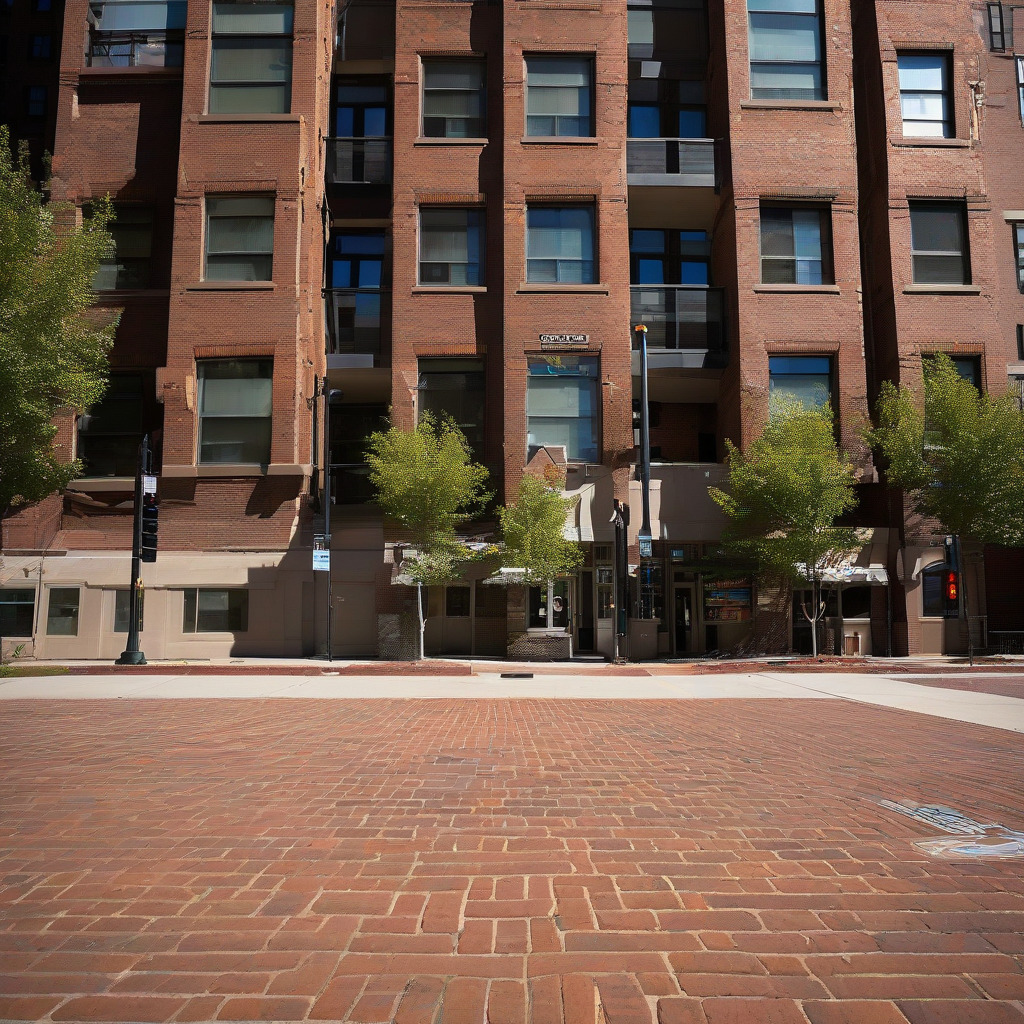
When the Denver Metro Association of Realtors releases its monthly headline figures, the number most people walk away with is the median sale price. One data point that papers over a market running two completely separate races. The gap between single-family prices and attached-home prices isn’t the story on its own. What should catch buyers’ attention is what’s happening to those numbers over time, and how differently the underlying markets are behaving.
Single-family absorption is outpacing supply in most Denver zip codes. Condos are not. In most comparable submarkets, condos and townhomes are sitting materially longer than detached homes, and the gap widens in buildings facing the specific structural pressures this piece covers. These aren’t rounding errors. They point to different buyer pools, different financing environments, and different risk profiles that most Denver market coverage collapses into an average and calls it a day.
If you’re buying or selling a condo in Denver in 2026, the aggregate data will mislead you. Here’s what the attached-home market actually looks like.
What DMAR’s Condo-Specific Data Actually Shows
DMAR publishes condo and townhome figures separately in its monthly Market Trends Reports, and the divergence from single-family has been widening since 2020. Single-family homes have seen stronger appreciation, backed by persistent inventory constraints and a buyer pool that isn’t navigating the same financing headwinds. Condo and townhome prices have faced more downward pressure — not a collapse, but a sustained drift.
The absorption rate gap is where things get operational. Absorption rate — the percentage of available homes that sell in a given month — has been running meaningfully higher for single-family than for attached homes. In most condo submarkets, sellers are offering concessions at elevated frequency: inspection repair credits, rate buydowns, HOA due prepayments appearing in closing documents in ways that weren’t common in 2021 or 2022. This is functionally a buyer’s market for condos, even as sellers of detached homes in the same zip codes retain real negotiating advantages.
Days-on-market figures show the same divergence. A condo sitting for 50 days in Capitol Hill is not the same situation as a single-family home sitting for 50 days in Park Hill. The condo may be priced correctly and simply facing a structurally smaller buyer pool. Why that pool is smaller is where things get complicated.
Why Condos Are Structurally Different to Finance
The single biggest structural factor depressing condo liquidity in Denver — and across Colorado — is the state’s construction defect litigation history, specifically the reforms enacted under House Bill 17-1279.
For roughly a decade before 2017, Colorado’s construction defect laws made it unusually easy for HOAs to file suit against builders over alleged defects. An HOA board could bind an entire building to a lawsuit without a vote of individual owners. Developers responded by pulling back sharply on for-sale condo construction — a significant reason why Denver built relatively few new condos during the mid-2010s, even as the broader housing market boomed. HB 17-1279 raised the threshold for HOA litigation, requiring a majority vote of homeowners rather than board action alone, and added procedural requirements giving builders a chance to remedy defects before suit. The changes were designed to reduce litigation risk and restart condo construction.
They helped at the margins. Some new product has come to market — you can see it in RiNo, LoHi, and along the Sloan’s Lake corridor. But developers still largely prefer apartment projects due to lingering liability concerns and insurance costs. More importantly, the financing environment that the litigation era created hasn’t normalized. Lenders have long memories, and the underwriting rules governing most mortgages haven’t fully caught up.
To qualify for conventional financing backed by Fannie Mae or Freddie Mac, a condo building must meet a series of project eligibility requirements: owner-occupancy ratios, HOA financial health thresholds, insurance coverage standards, and a clean bill on pending litigation. Buildings with active litigation, insufficient reserves, or commercial space exceeding 35 percent of the project are classified as “non-warrantable.” A non-warrantable condo can still be sold, but it can only be financed through portfolio lenders — banks that keep the loan on their own books — which typically means higher rates, larger down payments, and a buyer pool that shrinks accordingly. In a market where affordability is already strained, non-warrantable status can effectively price out the median buyer entirely.
The FHA spot approval process, reinstated in 2019, allows individual units in non-FHA-approved buildings to qualify for FHA financing without full project approval. This has helped in some Denver buildings, particularly for buyers working with lower down payments. But spot approval has its own restrictions, and many of Denver’s older buildings — particularly the 1960s and 1970s stock in Capitol Hill and Uptown — fail to qualify. The result is a segment of the market limited to cash buyers or borrowers who can access portfolio financing at above-market rates. That’s a thin pool, and thin pools mean slow sales and motivated sellers.
The HOA Reserve Problem
The financing issue connects directly to a second structural risk that’s particularly acute right now: HOA reserve underfunding.
Every condo HOA must maintain a reserve fund for major capital repairs — roof replacement, elevator rebuilding, mechanical system overhauls. A reserve study is the document that establishes what systems the building has, what they cost to replace, and whether the HOA’s current funding is adequate. The key metric is “percent funded” — actual reserves as a ratio of what the reserves should be given the age and condition of building systems. Industry standards treat 70 percent funded as the threshold below which an HOA is considered underfunded. Below 30 percent is a serious red flag: the HOA has accumulated almost none of the capital it will need, and when large expenses arrive, the options are a special assessment on owners or an HOA loan that owners repay through elevated dues over years.
Colorado’s Common Interest Ownership Act requires sellers to provide buyers with HOA financial documents, including the most recent reserve study, as part of the resale disclosure process. Buyers have the right to review these documents and can terminate the contract during the review period. The problem: buyers — and some agents — don’t always know what they’re looking at. A reserve study showing 35 percent funded with a roof at year 22 of a 25-year expected life is not a paperwork formality. It’s a near-certain future assessment that will hit every owner in that building within a few years. That money is already owed. The invoice just hasn’t arrived.
The urgency in Denver is compounded by what’s happening to the city’s aging condo stock. Buildings constructed in Capitol Hill, Uptown, and parts of Congress Park in the 1960s and 1970s are hitting a simultaneous system-replacement cycle. Roofs, boilers, plumbing stacks, and facade elements installed or last replaced in the 1990s are reaching end of life at roughly the same time. When the roof goes, it goes, and the HOA’s reserve position at that moment determines whether owners write one large check or many smaller ones spread over a decade.
The 2021 Chamblain Towers collapse in Florida — which involved structural failure, not deferred maintenance alone — prompted Fannie Mae and Freddie Mac to tighten underwriting requirements for condo buildings effective January 2022. Lenders now flag buildings with significant deferred maintenance or inadequate reserves. Buildings that can’t clear that bar face additional scrutiny, sometimes loss of conventional financing eligibility altogether. This has pushed some Capitol Hill and Uptown buildings into a compounding problem: underfunded reserves reduce lender eligibility, which shrinks the buyer pool, which suppresses resale prices, which makes it harder for the HOA to raise dues fast enough to catch up. It’s a slow-motion spiral, and it’s playing out right now in buildings you can see from Colfax.
Buyers considering the city’s 1960s–70s condo stock should verify current reserve status and ask directly about any capital expenses under board discussion, even those not yet formally levied. The Colorado Secretary of State’s HOA Information and Resource Center database is publicly searchable and a reasonable starting point for reviewing HOA filings on a specific building.
Submarket by Submarket — Where Units Are Moving and Where They’re Sitting
Not all Denver condo submarkets are in the same position. Liquidity varies significantly by neighborhood, building vintage, and buyer profile.
Cherry Creek remains the most liquid condo submarket in the city, for structural reasons that have nothing to do with the neighborhood’s restaurant scene. The buyer pool skews heavily toward cash purchasers — downsizing empty-nesters and executives who don’t need mortgage financing and are therefore insulated from warrantability concerns. The building stock is newer. Projects like The Laurel and One Cherry Lane were built within the past decade, carry better reserve positions, and qualify for conventional financing without issue. Cherry Creek condo prices are holding better than the metro average, though even here buyers are taking longer to make decisions than they were in 2022. Per-square-foot prices in this corridor have been running $500 to $800; verify against current DMAR data before using that number in a negotiation.
LoDo and Union Station present a mixed picture. The post-2010 building stock is better positioned on reserves and lender eligibility than older buildings elsewhere in the city, but HOA dues here are genuinely high — $500 to $900 per month is common in the newer towers, before you factor in a mortgage at current rates. That cost stack is something buyers are still calibrating. The buyer profile trends younger and investor-adjacent, and remote work has reduced the pied-à-terre demand that once supported the downtown market. Units are moving, but the pace has slowed. Sellers who expected to close in 30 days are now looking at 45 to 60.
Sloan’s Lake has been one of the more resilient submarkets, driven by newer construction, competitive pricing compared to LoHi and Cherry Creek, and an attached-home inventory that trends toward townhome-style product rather than mid-rise condos. Fewer HOA complexity issues, stronger lender eligibility, and buyers who’ve been priced out of LoHi pushing demand east. The inventory-to-sales ratio reflects it.
Downtown CBD high-rises are the most challenged segment. Buildings over 20 stories face additional Fannie Mae underwriting scrutiny regardless of reserve health. Remote work has reduced demand, and inventory has accumulated in ways that are proving hard to move. Sellers are offering significant concessions. Per-square-foot prices have been running $350–$550, but that range is compressing downward. Buyers should confirm lender eligibility before committing to a specific unit — this is a segment where falling in love with the view before checking warrantability status is an expensive mistake.
RiNo deserves its own note. The investor-heavy composition of many buildings creates a specific financing problem: Fannie Mae flags buildings where investors own more than 35 percent of units. Many RiNo buildings are close to or over that threshold. Separately, many RiNo HOAs restrict or prohibit short-term rentals — worth scrutinizing before assuming a unit can function as an Airbnb. Buyers here should confirm both warrantability status and HOA rental policies before getting into contract.
Uptown and Capitol Hill offer more affordable entry points — generally in the $275,000 to $450,000 range, with per-square-foot prices running $250 to $400 — but carry the highest HOA variability and the most acute aging-stock risk. The reserve underfunding and financing friction issues described above are most concentrated in this corridor. Buyers here are trading price for complexity. That’s sometimes a rational trade, but only if you’ve actually done the document review. Skip the documents and you’re betting on something you haven’t verified. That’s not a calculated risk. That’s just uninformed.
Aurora and Lakewood’s 1970s–80s corridors represent the highest-exposure segment of all. These buildings share the aging-stock problems of Capitol Hill and Uptown without the neighborhood appreciation trajectory that gives Capitol Hill sellers some cushion. Non-warrantable buildings are more common, reserve underfunding is prevalent, and special assessment exposure is high. Call the HOA directly and ask whether a special assessment is pending or under discussion. The hesitation in the answer will tell you something too.
The Seasonal Risks Denver Condo Buyers Consistently Underestimate
Two Denver-specific physical factors compound HOA financial exposure and are poorly understood by buyers who are used to thinking about seasonal risk in single-family terms.
Hail is the first. Denver sits in one of the most hail-active corridors in the country, with the season running roughly May through September. If you’ve lived here more than a few years, this isn’t news. For single-family homeowners, a hail claim runs through the owner’s insurance carrier. For condo owners, hail damage to a building’s roof, windows, or exterior systems is an HOA liability. The HOA’s insurance policy — specifically its deductible structure and whether it carries adequate replacement cost coverage — determines whether a hail event triggers a special assessment. Buildings with high deductibles, inadequate replacement cost coverage, or reserves insufficient to cover the gap are genuinely exposed. A significant hail event in an underfunded building can produce a per-unit assessment of several thousand dollars with almost no lead time. This is not a hypothetical.
The second factor is altitude and freeze-thaw cycling. Denver’s elevation produces a significant number of freeze-thaw cycles annually — temperatures crossing 32 degrees repeatedly through fall, winter, and early spring. This cycling accelerates the deterioration of concrete, masonry mortar, and facade elements in ways less pronounced at lower elevations. For a building constructed in 1968 with original brick and mortar, 55-plus years of Denver freeze-thaw exposure is structurally punishing. This is a material reason — not just negligence — why Capitol Hill and Uptown buildings are hitting facade and structural expenses simultaneously right now. Ask specifically about the last facade assessment and whether the reserve study uses Denver climate-adjusted deterioration rates rather than national averages. The difference in projected costs can be substantial.
Five Things to Verify Before You Make an Offer on a Denver Condo
The following five steps are specific to the risks described above. They’re not a general buyer checklist — they’re the items that most commonly separate buyers who understand what they purchased from buyers who discover surprises at the worst possible moment.
Pull the reserve study and find the percent-funded figure. Under Colorado’s CCIOA disclosure requirements, you’re entitled to this document as part of the resale package. Look for a study prepared by a third-party reserve specialist, not a summary written by the board. Find the percent funded. Below 70 percent is underfunded. Below 30 percent is a serious problem. Also look at which major systems are approaching end of life — a 70 percent funded building where the roof has two years left is a very different situation than a 70 percent funded building where systems were recently replaced.
Confirm warrantability status before you tour. Ask your lender to run a warrantability check on the building before you commit any time to a specific unit. If you’re using conventional financing and the building is non-warrantable, you’re looking at a portfolio loan — higher rate, larger down payment — or no financing at all. Find this out before you have an emotional attachment to the unit, not after.
Search the Colorado HOA Information and Resource Center for active litigation. The Colorado Secretary of State’s office maintains a searchable database of HOA filings. Active litigation — whether construction defect, slip-and-fall, or anything else — is both a warrantability flag for conventional lenders and a direct financial risk to HOA reserves. This search takes ten minutes and occasionally reveals information that changes everything.
Ask directly about assessments under board discussion but not yet levied. Colorado disclosure law requires sellers to disclose known special assessments. It does not require disclosure of assessments that have been discussed but not voted on. Ask the listing agent explicitly: has the board discussed any capital expenses that may require a special assessment in the next 12 to 24 months? A good agent will answer honestly. An evasive answer is information too.
Review the HOA’s master insurance policy for hail deductible structure. Ask for a copy of the HOA’s insurance declarations page. In Colorado, hail and wind deductibles are often expressed as a percentage of insured value — which on a mid-rise building can translate to $50,000 or more. Compare that deductible to the building’s current reserve balance. If the deductible exceeds reserves, a single hail season could trigger an immediate special assessment. That’s a risk you can evaluate before you sign anything.
Where the Market Actually Sits
The buyer who purchases in Cherry Creek in a newer, well-reserved, warrantable building is in a fundamentally different risk position than the buyer purchasing in a 1972 Capitol Hill mid-rise with 40 percent funded reserves and a facade repair the board hasn’t voted on yet. Those are not the same transaction dressed in different price tags. They’re different products with different risk profiles, and the Denver market in 2026 is not pricing that distinction clearly enough for buyers to see it without doing the work themselves.
The single-family market in Denver is, for most buyers, a more straightforward transaction. The condo market rewards buyers who do the document work, understand the financing constraints, and select buildings rather than just neighborhoods — topics we cover in depth in our moving and real estate coverage. Inventory has accumulated in some segments. Sellers are offering concessions in ways they weren’t two years ago. The opportunity is real in places — but it’s specific to buildings, not neighborhoods, and it requires actually knowing what you’re buying before you buy it.