How to Get a Temporary No-Parking Permit for Your Denver Moving Truck
A step-by-step guide for renters and homeowners dealing with Denver's permit system, with neighborhood-specific detail on where it matters most.

A step-by-step guide for renters and homeowners dealing with Denver’s permit system, with neighborhood-specific detail on where it matters most.
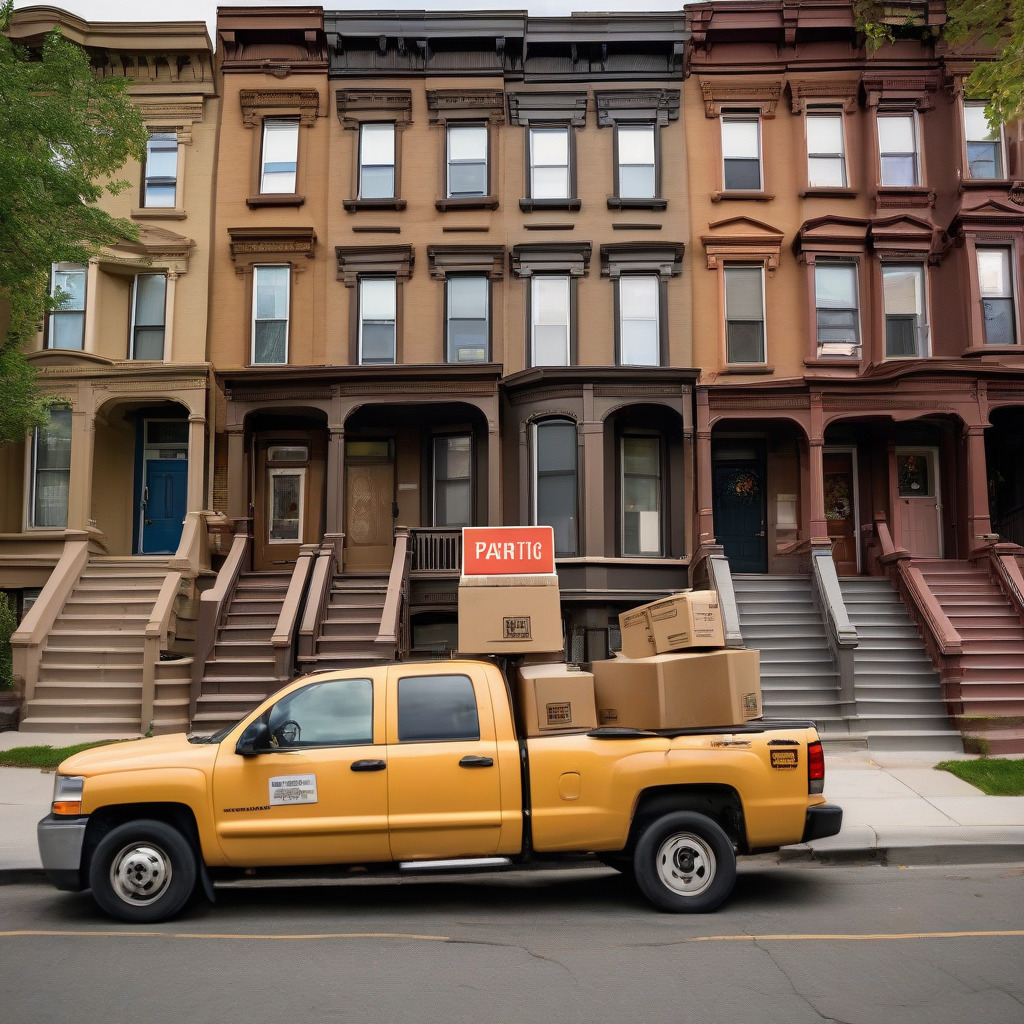
If you’re moving into or out of a Capitol Hill apartment on August 1, you already know the chaos. Trucks double-parked on 13th Avenue, movers hauling boxes around cars that haven’t moved since Tuesday, a parking enforcement officer working their way down the block. What separates the smooth moves from the expensive disasters often comes down to one obscure city document: a Temporary No-Parking Zone permit from Denver’s Department of Transportation and Infrastructure.
This guide covers the full process — how to apply, how much it costs, how far out to plan, what to do when someone parks in your legally reserved space anyway, and the Denver-specific complications that generic moving guides skip entirely. “Check for Snow Emergency Route conflicts” never makes the national listicles.
Why This Permit Exists, and Why Denver’s Density Makes It a Real Logistical Question
A Temporary No-Parking Zone permit, administered by DOTI, is how you legally reserve a stretch of public street curb for a specified window. It does not give you private ownership of that curb. What it does is give Denver parking enforcement the legal authority to ticket or tow vehicles parked in your reserved zone during your permitted window — provided your signs are properly posted.
In Denver’s lower-density neighborhoods, you can often park a moving truck without a permit and face no consequences. Streets are wider, neighbors have driveways, enforcement is thinner. The dense residential corridors — Capitol Hill’s Victorian blocks, Baker’s narrow alleys, LoHi’s packed two-ways — operate under entirely different logic. Skipping the permit there isn’t a calculated risk. It’s a decision that can strand your move while you wait for enforcement to sort things out with your hourly-rate truck still running.
Denver’s rental market compounds this. The city’s dominant lease cycle pushes a huge share of tenant turnover to August 1, with a secondary wave hitting around the first of each month year-round. That means parking enforcement is already stretched when you most need it, and 311 call volume spikes exactly when you’re trying to file a complaint about the pickup truck parked in your reserved zone. Get the permit. Everything else is contingency planning. For additional context on navigating Denver’s housing logistics, this topic is part of our moving & real estate coverage.
Which Denver Neighborhoods Require One, and Where Enforcement Is Actually Active
The permit is required any time you’re reserving public curb space in Denver, regardless of neighborhood. The practical reality is different by zip code.
Capitol Hill and Cheesman Park have the highest enforcement activity in the city. Streets like 12th, 13th, and 14th Avenues run narrow between Victorian apartment buildings, most of which have zero off-street parking. Residential Permit Parking zones layer across much of the neighborhood, meaning your moving truck is surrounded by cars whose owners have paid for the right to park there. A truck without a permit will draw a citation within hours, and towing is a real possibility — this isn’t a worst-case scenario, it’s Tuesday morning in August.
Uptown, between Colfax and 20th east of Broadway, is similar: the same mix of Victorian conversions and newer mid-rises, almost all loading from the street, with active enforcement.
Baker and the South Broadway corridor have a specific wrinkle worth checking before you apply: some properties have functional alley access, which can allow loading without touching the street permit system at all. If your building has an alley, a moving truck loading from it may not need a street permit. But confirm with DOTI first, because blocking an alley for hours creates its own enforcement exposure. “My building has an alley” is not a defense that works at 8 a.m. with a full crew standing there.
Five Points, Cole, and Whittier have densified significantly over the past decade. Streets are frequently narrower than they look on a map, and the 38th & Blake light rail station adds parking pressure along key corridors. Get the permit. RiNo — warehouse conversions to lofts on streets that were never designed for residential parking — draws enforcement attention on weekdays when moving trucks block key corridors.
LoHi and Sunnyside combine high new construction with existing renter density. Street parking is already strained. Curtis Park is one of Denver’s oldest neighborhoods and looks it: a historic district with narrow Victorian-era streets and almost no off-street loading options. West Washington Park, along Downing and surrounding blocks, runs at mature urban neighborhood density. Congress Park is functionally Capitol Hill with slightly less foot traffic.
In Central Park and Stapleton, moving trucks routinely park without permits and face little to no consequence. Streets are wider, driveways are common, enforcement isn’t staffed at the same level. The permit is still required if you’re reserving a zone, but the practical risk of skipping it is much lower. If your move extends to multiple days or you want to guarantee clear access, the permit fee is cheap insurance even out there. Green Valley Ranch operates the same way.
Step 1: Calculate How Much Curb Space You Actually Need Before You Apply
Before you open the 311 portal, know your footage. The permit application asks how many linear feet of curb you want to reserve. Underestimate and your truck legally overhangs an unpermitted zone — meaning the car parked right at your boundary is legal and enforcement can’t touch it.
A standard 26-foot moving truck needs roughly 35 to 40 linear feet of clearance once you account for the cab, the overhang, and buffer room so the truck can pull out without blocking an intersection or driveway.
Walk the block before you apply. Check for fixed obstructions or existing signage. Note which side of the street you need — the application will ask. DOTI caps the maximum footage a single permit can cover, and that cap isn’t always obvious from the online portal. Call 311 at 720-913-1311 to confirm the current cap before you apply; it varies by street classification.
Step 2: How to Apply, and the Lead Time That Catches Renters Off Guard
Temporary No-Parking Zone permits are managed through DOTI’s parking services, with applications routed through Denver 311. Apply by calling 720-913-1311 or submitting online at 311.denvergov.org. The portal lets you specify dates, footage, and address, and pay the permit fee digitally.
The stated minimum lead time is 3 to 5 business days before your move date. Some DOTI staff cite up to 7 business days for busier streets. Weekends and federal holidays don’t count. If your move is Saturday, August 1, and you call 311 the preceding Tuesday, you may be cutting it to the wire or missing the window depending on how the days fall. For August 1 specifically: apply a full calendar week out, no exceptions.
The reason is straightforward. Capitol Hill, Uptown, University Heights, and neighborhoods near University of Denver and CU Denver all see a documented spike in 311 calls and permit requests in the last week of July. Staff is handling dozens of simultaneous requests. The stated minimum lead time assumes normal processing load. It does not account for peak periods. Apply early or find out the hard way.
The current fee runs around $30 to $50 per calendar day — verify the exact amount at 311.denvergov.org or by calling 311 before you budget. The structure matters more than the amount: this is a per-calendar-day fee, not a 24-hour window. If your move runs from 7 a.m. one day to noon the next, you’re paying for two calendar days. Whether a single permit covers overnight parking — truck on-site from afternoon of Day 1 through morning of Day 2 — is worth confirming directly with DOTI when you apply. It’s the kind of thing that’s genuinely unclear until you ask someone directly, and the answer affects both your fee and your coverage window.
Step 3: Posting Your Signs Before Moving Day
A permit without signs is nearly useless on moving day. Denver requires permit holders to post “No Parking” signs at the reserved curb space 24 to 48 hours before the permitted date. That advance posting is what creates legitimate notice to other drivers and gives enforcement officers standing to act when you call.
The exact format — whether DOTI provides physical signs, a downloadable PDF, or authorization only — should be confirmed at time of application. Ask the 311 agent directly: “What signs do I post, where do I get them, and what information needs to be on them?” Signs go at both ends of your permitted curb segment, facing traffic, and must specify the no-parking dates, permit authorization, and hours covered.
Here’s why this matters: if a car is parked in your space on moving day and you call parking enforcement, the first thing an officer checks is whether signs were properly posted in advance. If signs were missing, improperly placed, or posted the morning of rather than 24 to 48 hours prior, your standing is weakened. The vehicle may not be towable. Now you’re having a tense conversation with a stranger at 8 a.m. while your truck idles and your movers watch.
Step 4: Moving Day, Starting With the Scenario You’re Dreading
You arrive at 7:30 a.m. Signs are up, permit is valid, and there’s a pickup truck parked dead center in your reserved zone.
Don’t call 911. Call 311 at 720-913-1311 and report a vehicle blocking a properly permitted Temporary No-Parking Zone. Have your permit number ready, plus the plate of the blocking vehicle, the address, and the cross street.
If your permit is valid and signs were posted in the required advance window, a parking enforcement officer can authorize a tow. The blocking vehicle is subject to both a citation and towing at the owner’s expense. This is also where the permit’s limits show. Denver parking enforcement isn’t dispatched like police. In dense neighborhoods, response to a 311 parking complaint runs one to two hours, and on August 1 or summer weekends, longer. The permit gives you legal standing. It does not give you an instant resolution.
Plan for it: have the permit paperwork on your phone, know the 311 number before moving day, and call immediately when you arrive if the zone is blocked — don’t wait to see if the owner shows up. (They might. It could be fine. It might also take 45 minutes, and you’re paying for that time.) If you have any flexibility in your truck rental window, build an extra hour into the start of your day. On August 1 in Capitol Hill, assume something goes sideways with at least one aspect of parking.
Denver-Specific Complications That Generic Moving Guides Never Mention
Most national moving content addresses the basics and stops there. Three Denver-specific situations can derail a well-planned move even with a valid permit.
The August 1 pileup. Denver’s rental market runs heavily on August 1 lease ends, concentrated in Capitol Hill, Colfax, Uptown, and near DU and CU Denver. On that single date and the surrounding 48 hours, parking enforcement is fielding calls from dozens of simultaneous permitted moves across the same neighborhoods. Response times to blocked-zone complaints are longer than any other day of the year. 311 is harder to reach. Enforcement officers showing up are triaging a full block of competing situations. If your move date is at all flexible and August 1 falls on a weekday, seriously consider moving the 29th or 30th. If you can’t move the date, apply a full week in advance and be at your block before your reserved window opens.
Snow Emergency Routes. Denver’s Snow Emergency Route system activates automatically when certain snowfall thresholds are met and can override your Temporary No-Parking permit. Denver gets significant snow in March and April — sometimes a lot of it, sometimes overnight with no warning. A Snow Emergency declaration can legally nullify your reserved curb space and require all vehicles to move, including permitted ones. Ask DOTI directly when you apply: “If a Snow Emergency Route activates on my permitted date, what happens to my permit and my fee?” The answer matters if you’re moving in late winter or spring, and almost nobody thinks to ask until they’re staring at six inches of snow on moving day.
Two-day moves mean two applications. If your move involves loading one day and unloading the next, you need two separate permit applications and two separate fees. The permit covers a single calendar day. If your second day requires a permit at a different location — your new address versus your old one — you’re filing two separate applications, potentially to two different agents, on two different review timelines. Start this early. It’s more administrative friction than it should be, but that’s the system.
What Happens If You Skip the Permit
Moving trucks parked on public Denver streets without a permit are subject to standard parking citations. In Capitol Hill and Uptown, enforcement is active — not theoretical. The worse scenario is towing. A truck double-parked or blocking a travel lane — which is often what happens when there’s no reserved zone and the crew needs to be close to the building — is towable without a permit. While you’re waiting at impound, your movers are standing on the sidewalk and the clock is running.
The permit fee, roughly $30 to $50 for a single day, is not a burden. Towing fees, impound costs, and an hour of movers standing idle will cost you more than the permit several times over.
Quick Reference: Denver Moving Permit Facts
Permit type: Temporary No-Parking Zone
Administering agency: Denver Department of Transportation and Infrastructure (DOTI)
How to apply: Call 311 at 720-913-1311 or submit online at 311.denvergov.org
Minimum lead time: 3–5 business days (weekends and holidays don’t count); apply 7+ days out for August 1 and peak periods
Current fee: Approximately $30–$50 per calendar day. Verify current rate at 311.denvergov.org before applying.
Fee structure: Per calendar day; a two-day move requires two separate applications
Sign posting window: Post “No Parking” signs 24–48 hours before your permitted date; confirm sign format and sourcing with DOTI at time of application
Curb footage: Specify in your application. A standard 26-foot moving truck requires approximately 35–40 linear feet with buffer; call 311 to confirm the per-permit footage cap.
Moving day enforcement contact: Call 311 at 720-913-1311 to report a vehicle blocking your permitted zone. Do not call 911.
Realistic enforcement response: One to two hours in dense neighborhoods; longer on August 1 and peak periods
Snow Emergency Route conflict: Verify DOTI’s policy at application time if your move date falls in winter or spring
Neighborhoods where the permit is effectively non-negotiable: Capitol Hill, Cheesman Park, Uptown, Baker, Five Points, Cole, Whittier, RiNo, LoHi, Sunnyside, Curtis Park, West Washington Park, Congress Park
Fees, lead times, and specific procedures are subject to change. Verify current requirements directly with DOTI via 311 before your move date.