Carvana or a Local Denver Used Lot
By CityDesk Denver Staff

By CityDesk Denver Staff
The short answer: it depends on the vehicle category, the time of year, and how much friction you’re willing to absorb after the sale. That framing isn’t a dodge — there are meaningful differences that matter specifically to Denver buyers that no national comparison will surface. We pulled live inventory during the second week of June 2026, talked to dealers on South Broadway, and worked through the Colorado-specific paperwork process so you don’t have to learn it the hard way.
Here’s what we found.
Why a National Carvana Comparison Doesn’t Work for Denver Buyers
Most Carvana-versus-dealer coverage treats used cars as a commodity and the purchase process as uniform across states. Neither is true in Colorado.
June sits inside the seasonally elevated pricing window for used vehicles along the Front Range. Tax refund cash has already moved into the market, spring inventory tightened, and buyers who procrastinated on a pre-summer AWD purchase are competing for the same trucks and crossovers. Denver’s elevation, its proximity to ski country, and the year-round grind of I-70 mountain corridors create sustained demand for all-wheel and four-wheel-drive vehicles that a nationally calibrated pricing algorithm may not fully capture — or may overshoot, depending on where Carvana sourced the stock.
Colorado also runs its own title transfer process, its own emissions testing mandate, and its own dealer licensing framework. A buyer who walks into a Carvana purchase without knowing any of this can find themselves paying for an emissions test they didn’t budget for, waiting longer than expected for title documents, or discovering that their dispute options look different than they expected. We worked through each of those variables with current local data. It took longer than we’d like to admit.
The Price Check on Three Denver-Relevant Vehicles
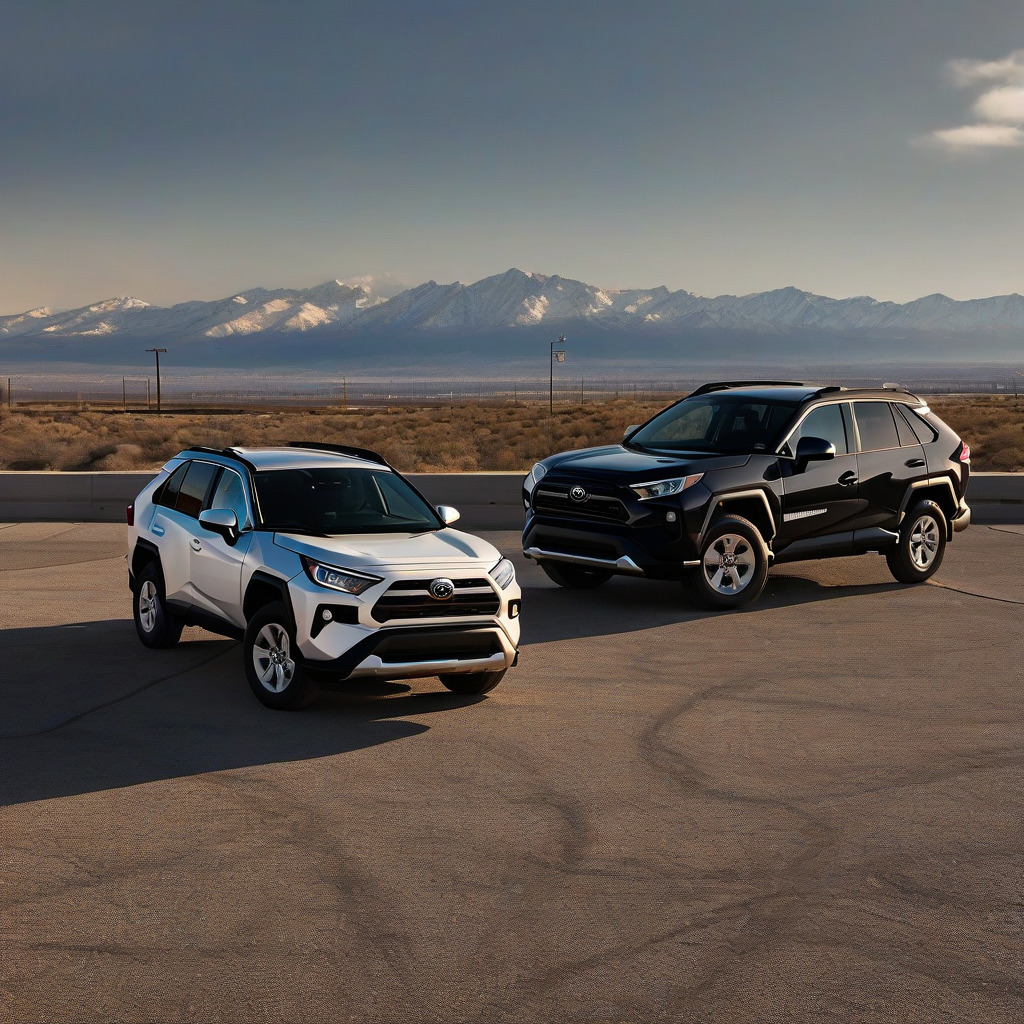
We pulled same-trim matched pairs on three vehicles with strong Denver-market relevance: a 2021 Toyota RAV4 AWD (XLE trim), a 2020 Subaru Outback (Premium, AWD), and a 2019 Ford F-150 4WD (SuperCrew, XLT). These are among the most actively searched used vehicles in the metro, which is not a coincidence given what people actually do with cars here. All three were available on both Carvana’s Denver-delivery listings and at independent lots along South Broadway and Federal Boulevard at the time we checked.
For out-the-door comparisons, we recorded each dealer’s disclosed documentation fee and included it in the calculation. Sales tax is excluded from all figures — both channels collect it, and the rate varies by county. Readers should confirm the current Colorado documentary fee cap directly with the Colorado Department of Revenue or the Colorado Auto Dealers Association before finalizing any purchase, since the cap adjusts annually.
On the RAV4, out-the-door totals were essentially identical across channels once local documentation fees were added. The Outback and F-150 came in lower at local lots. The gap was real but not dramatic on a purchase in this price range. What actually changes the calculus are the vehicle category, the season, and the post-purchase variables covered below.
The AWD Premium and Where Local Dealers May Beat Carvana’s Algorithm
Carvana’s pricing model runs on national supply and demand data. That works reasonably well for a 2021 Honda Civic in Columbus. It works less well for AWD and 4WD vehicles in a market where a meaningful share of buyers treat mountain capability as a functional requirement — the kind of thing a national algorithm has a hard time pricing correctly from Phoenix.
The independent used lots along South Broadway — roughly Alameda Ave to Evans Ave, Denver’s densest stretch of independent dealers — price against local conditions. They know that buyers shopping for a used Outback or RAV4 AWD are often doing so specifically to drive I-70 corridors in winter. Demand doesn’t disappear in summer; it just becomes less urgent. From October through April, AWD and 4WD inventory along the Front Range carries a premium at local dealers. Carvana’s nationally calibrated model may or may not capture that seasonal spike.
June, where we pulled our data, sits at the quieter end of that curve. A buyer shopping for a used AWD SUV or 4WD truck in October or November should expect local lots to be priced more aggressively above Carvana than our data shows — and during that window, Carvana might actually come out cheaper if the buyer has timing flexibility.
The Hail Inventory Factor
This is the clearest case where a local Denver lot beats Carvana on price. It doesn’t appear in any national used-car guide, probably because nobody outside the Front Range thinks about it.
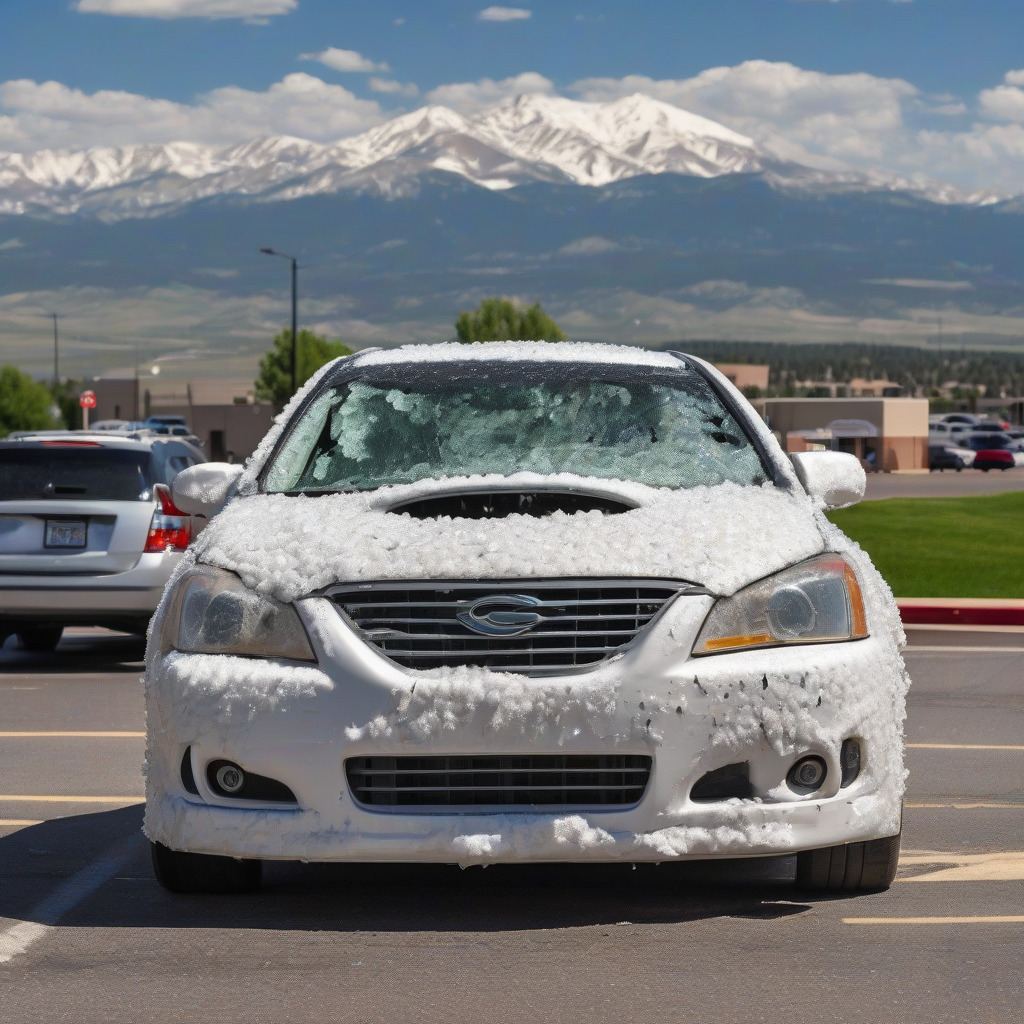
Denver’s hail season runs May through September. When a significant event hits the metro — and we’ve had some serious ones — local lots absorb inventory of cosmetically damaged but mechanically sound used vehicles at depressed prices. That discount flows through to buyers. A RAV4 AWD with hail damage across the hood and roof panels can retail substantially below an identical undamaged example at a South Broadway lot. The mechanical and drivetrain condition is typically unaffected.
For a buyer who intends to drive the vehicle in the mountains and doesn’t care about resale cosmetics in the near term, this is the best pure price opportunity in our automotive coverage of the Denver used market. Carvana does not carry hail-damaged inventory in its standard national stock — this category simply doesn’t exist on their platform. If you’re willing to buy cosmetically imperfect and you’re shopping in the wake of a significant Front Range hail event, a local lot will beat any online competitor by a margin that dwarfs every other comparison in this article. Move quickly after a major event and hire a pre-purchase inspector. That inspection is worth the money regardless of where you buy, but it’s especially worth it here.
Title Transfer in Colorado and Where Carvana Buyers Get Caught
Colorado is a paper-title, county-clerk state. This matters more than most buyers realize going into a Carvana purchase.
When you buy from a licensed Colorado dealer, the dealership handles the DR 2395 title application and submits it directly to the county clerk and recorder’s office on your behalf. The physical title typically arrives in four to six weeks. You don’t go to the DMV. You don’t submit paperwork. Your temporary permit covers you in the meantime. Carvana’s process is different: the company ships your title documents by mail, and you are responsible for presenting them in person at your county clerk’s office. For Denver County buyers, that’s the Clerk and Recorder’s Motor Vehicle Division at 200 W. 14th Ave., or you can start the process through myDMV.colorado.gov.
Here’s where it gets genuinely unpleasant. Carvana has a documented national history of title delivery delays — the company has faced regulatory action or consumer complaints in multiple states over late or missing titles. In Colorado, the statutory deadline is clear: title transfer must be completed within 60 days of purchase. If Carvana’s paperwork arrives late and you can’t complete the transfer in time, you may be out of compliance through no fault of your own. For buyers purchasing a vehicle they plan to register immediately and drive without interruption, the local dealer process is considerably cleaner. With Carvana, that step is yours to manage. If their document delivery runs late, your registration timeline runs late with it.
The Emissions Test Variable
Colorado requires emissions testing for most gasoline-powered vehicles registered in the Denver metro Air Quality Control Region before registration can be completed. Buyers should confirm the current list of covered counties with the Air Care Colorado program, since county coverage has been revised before. The test is required before registration and is the buyer’s responsibility to schedule and complete.
When you buy a used vehicle from a local Colorado dealer, that vehicle may already have a current emissions certificate if it was previously registered in Colorado. Local dealers often confirm this as part of their pre-sale prep, or factor the test into reconditioning. Verify explicitly — don’t assume — but it’s common for in-state inventory to arrive with the test done. Carvana ships vehicles previously registered in other states. They arrive without a Colorado emissions certificate. You pay for and schedule the test before registration. If the vehicle fails — older vehicles with deferred maintenance are the most common scenario — you’re responsible for repairs before a passing certificate can be issued.
The test itself is cheap. But it’s a step, a potential wait, and an unwelcome complication that arrives right when you’re most eager to just drive the thing.
Return Windows and Warranties
Carvana offers a seven-day, 400-mile return window with no reason required. For a used vehicle purchase in this price range, that’s a real benefit — and honestly, it’s the strongest card Carvana holds. You can drive the vehicle in actual conditions, including the kind of mountain driving that surfaces transmission or drivetrain issues at altitude, and return it if something surfaces.
Most independent Denver lots sell as-is. Colorado’s used car lemon law does not cover used vehicles — it applies only to new purchases — so neither channel provides statutory protection once the vehicle is yours. Some independent lots offer 30-day powertrain-only coverage, which protects against catastrophic engine or transmission failure but nothing else. A pre-purchase inspection from an independent mechanic is worth the cost on a used vehicle from any seller. It doesn’t replicate a return window, but it surfaces major mechanical issues before you sign. If the return window is a priority and the matched-pair price is close, Carvana’s position strengthens. If you’re comfortable doing due diligence pre-purchase, its value shrinks considerably.
Recourse When Something Goes Wrong
With a licensed Colorado dealer, a buyer who believes they were misled about a vehicle’s condition or title has several practical options beyond direct negotiation. The Colorado AG’s Consumer Protection Section accepts vehicle-transaction complaints and has enforcement authority over licensed dealers. The Colorado Department of Revenue Motor Vehicle Division also licenses dealers and accepts complaints related to title, disclosure, and sales practice violations. Denver County Small Claims Court is an accessible venue for smaller disputes and doesn’t require an attorney.
Carvana’s purchase agreement contains a mandatory arbitration clause. By default, you cannot take Carvana to court. Disputes must go through binding arbitration administered through a national service. There is an opt-out mechanism in the purchase agreement itself — but it requires finding and acting on that language within a specific window after purchase. Read the fine print. Carvana holds a Colorado dealer license, so state regulatory complaints can still be filed regardless of the arbitration clause. But private legal action through the courts is blocked unless you opt out.
The other thing worth knowing: Carvana’s customer service routes through its Arizona corporate headquarters no matter where you are. The Colorado dealer license is real, but the person handling your complaint is in Tempe. For most transactions that go smoothly, this doesn’t matter. For the ones that don’t, it matters quite a bit.
The Practical Verdict
Carvana earns a serious look when the matched-pair out-the-door price is lower than what you can find locally on the same trim, the seven-day return window has real value for your situation, and you’re comfortable handling the title transfer and emissions test yourself. If you’re buying outside the October–April AWD demand surge, local lots are less likely to have a pricing edge over Carvana’s model anyway.
A local Denver lot is the stronger call in a few specific situations. If you’re buying AWD or 4WD in the fall or winter, local dealers are pricing against demand that Carvana’s national algorithm tends to undercount — and the price gap will be wider than our June data shows. If there’s been a significant hail event recently and you don’t mind cosmetic damage on a vehicle you plan to drive hard in the mountains, no online platform can compete with what’s sitting on South Broadway. And if you want frictionless title resolution — someone else submits the paperwork, you just wait for the title to show up — buy local.
The Carvana return window is genuinely valuable. The title and emissions processes are genuinely annoying. If your transaction is clean and the vehicle is exactly what the listing describes, Carvana works well. When it isn’t, the support infrastructure is in Arizona. The dealer on South Broadway is not.
CityDesk Denver verified dealer pricing and inventory availability during the second week of June 2026. Colorado documentary fee cap information should be confirmed with the Colorado Department of Revenue or the Colorado Auto Dealers Association, as it adjusts annually. Title transfer requirements are drawn from the Colorado Revised Statutes. Emissions testing information is current as of publication date; readers should confirm current county coverage with Air Care Colorado.