Where to Get Hail Damage Repaired in Denver After the May 2026 Storms
A CityDesk Denver ground-level guide to getting your vehicle fixed without getting fleeced after the metro's biggest hail event of the season.
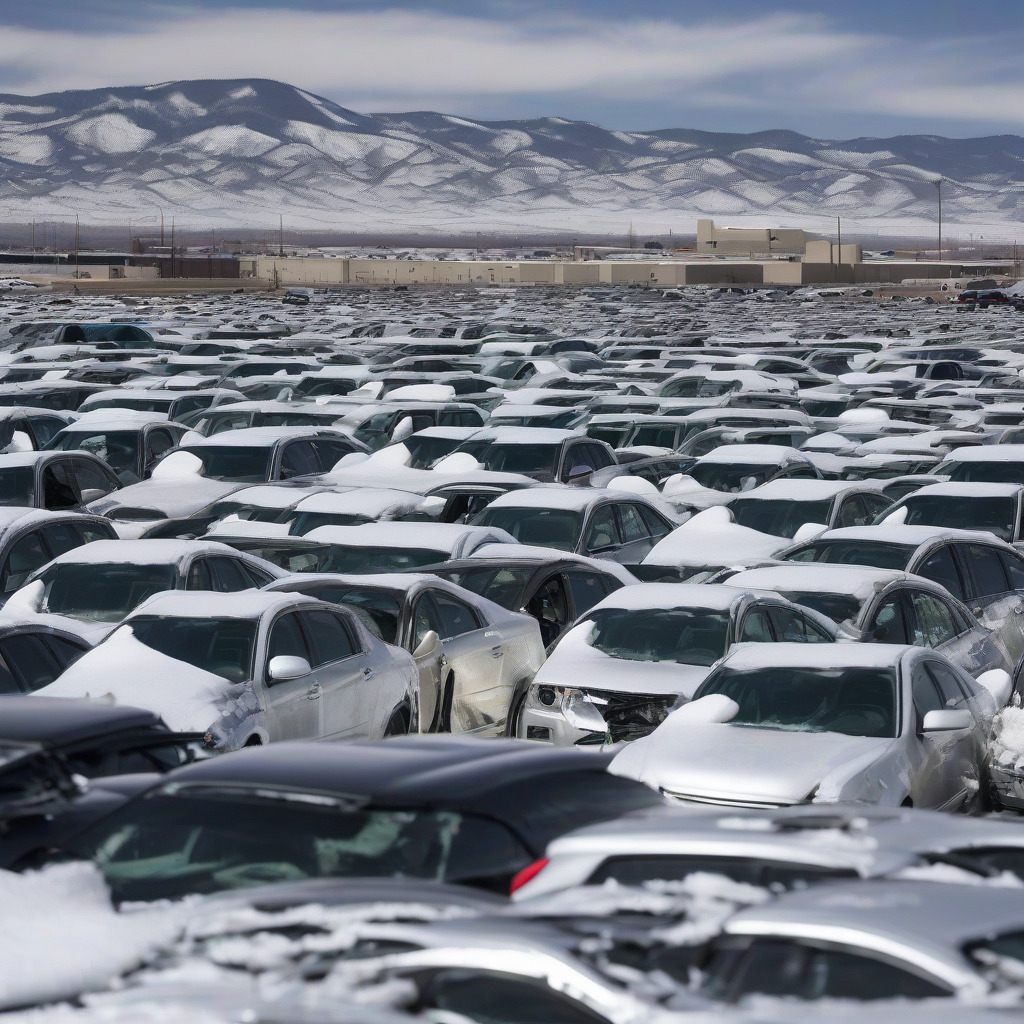
A CityDesk Denver ground-level guide to getting your vehicle fixed without getting fleeced after the metro’s biggest hail event of the season.
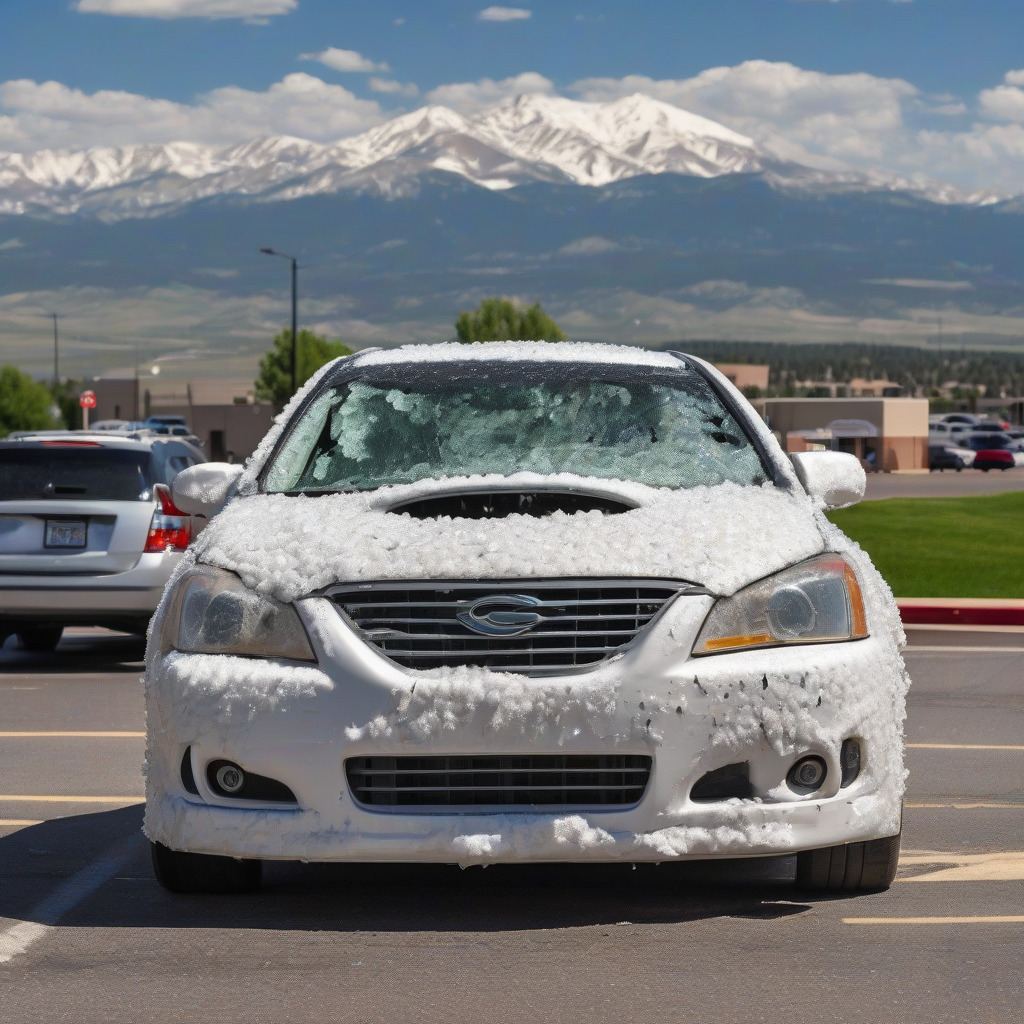
If your car was parked outside anywhere between Green Valley Ranch and Centennial during the May 2026 storm, you already know what happened. Dimpled hoods, spider-webbed windshields, shredded soft-tops. All of it sitting in driveways and apartment lots across the eastern metro while owners try to figure out what to do next.
This guide answers that question in order, with named shops and what you need to verify before signing anything. Start at the top.
How Bad Was It: The Storm Footprint by Zip Code
Before you file anything, pull the Local Storm Reports for the May 2026 event from the National Weather Service office in Boulder at weather.gov/bou. LSRs show confirmed hail size by location — that data matters both for your insurance filing and for deciding what kind of repair you’re actually looking at.
Denver sits at the eastern edge of Hail Alley, the corridor from Wyoming through eastern Colorado into Kansas and Nebraska with the highest hail frequency on the continent. The Palmer Divide south of the city enhances storm development, and those storms tend to track northeast directly over Aurora and Centennial — which is why the same neighborhoods keep showing up in these conversations every few years. May storms here produce golf ball to baseball-sized hail in the 1.75–2.75 inch range. That’s the damage territory where some panels need paintless dent repair and others need conventional body work, sometimes on the same car.
Three zones historically take the worst of it. The Aurora and Green Valley Ranch corridor — 80012, 80013, 80015, 80016, 80249 — sits directly in the typical storm track. Commerce City and Thornton (80022, 80023) catch storms tracking northeast out of Aurora. Brighton and the northeast fringe (80602, 80603) tend to sit at the trailing end, where hail is smaller but wind-driven in a way that does its own number on body panels.
West Denver and Jefferson County see less hail. The foothills shadow is real. If you’re in 80211 or the surrounding westside zip codes, check the NWS Boulder LSR map before assuming you have a claim — plenty of west Denver vehicles have wear patterns that look like hail to an untrained eye, and filing on questionable damage has real consequences for your rates.
CityDesk is pulling full LSR data by zip for the May 2026 event and will update this section with confirmed strike zones as NWS finalizes its storm reports.
The Repair Queue: Current Wait Times at Named Denver Shops
Quality shops book out fast after a storm like this — sometimes within days of the hail clearing, occasionally within hours. The shops below have documented history in the Denver market for hail work. CityDesk is calling each directly for current post-storm wait times; call them yourself for the most current picture, because queues shift week to week.
PDR specialists: Dent Dynamics runs multiple Front Range locations and deploys mobile units after major events — call to confirm current wait and whether they’re taking walk-ins. Hail Medic specializes in PDR; verify active locations and current backlog. Colorado Dent Repair has marketed specifically to Front Range hail season; confirm availability before driving over. Dent Wizard is a national franchise with local presence doing both fleet and retail PDR — “multiple locations” can mean very different things when half of them are already slammed, so get a specific address and a specific wait time.
Full-service body shops: CARSTAR has locations in Aurora, Lakewood, and Thornton with direct-repair agreements with major carriers — call each individually, since wait times will vary based on how close each shop is to the storm’s core damage zone. Caliber Collision has locations in Aurora on Havana, Lakewood, and Northglenn, with a State Farm direct-repair relationship; ask explicitly about post-storm wait before agreeing to an insurer assignment. Crash Champions — rebranded from Service King after 2024 — has several Denver-area locations; verify current scheduling availability.
One option people overlook: shops in Brighton, Longmont, and Colorado Springs may have shorter queues if the May storm didn’t hit those markets as hard. After past storms, I’ve heard from readers who drove to a Longmont shop and were done in two days while their neighbors sat on a three-week list in Aurora. If your car’s drivable and you have any flexibility, a round of calls along the Front Range is worth 20 minutes before you commit to a longer in-metro wait.
When you call any shop, ask these three things: What’s your current wait for May storm hail repairs? Are you a direct-repair shop for State Farm or USAA? Are you taking walk-ins for estimates, or is everything by appointment?
PDR or Conventional Body Repair: Which One Does Your Car Need
The May storm produced hail in the range where PDR works fine on some damage and stops being an option on other damage — sometimes on the same vehicle, which catches people off guard.
Paintless dent repair works when the paint surface is unbroken and the metal hasn’t stretched past the point where it can be massaged back. Golf-ball-size hail on a well-maintained vehicle with factory paint often produces exactly this: dozens of shallow dents a skilled technician can work out from behind the panel without touching the paint. Worth noting for Denver specifically — high altitude and low humidity actually help PDR technicians. Metal is less prone to cracking during repair in dry conditions, one of the few things Colorado weather gets right. PDR on a moderately damaged sedan or SUV runs $800–$2,500 and can be done in one to three days once you’re in the door.
Larger hail stretches metal past what PDR can correct, and it shatters paint — especially on vehicles with older refinish work, thin factory paint on certain import hoods, or aluminum panels, which are increasingly common on truck hoods and doors. If your paint is cracked, chipped, or shows a white stress fracture at the center of a dent, you’re looking at conventional body work: filler, primer, color-matching paint, clear coat. Severe damage requiring that route runs $3,000–$8,000 or more depending on vehicle and panel count.
Most heavily damaged vehicles from this storm will need some combination. PDR on the roof and trunk lid where paint held; conventional repair on the hood and front fenders where it cracked. A legitimate shop will give you an estimate that specifies which treatment each panel is getting and why. If it doesn’t, ask. If the estimator can’t explain the reasoning panel by panel, that tells you something.
What Your Insurance Company Will Actually Do
State Farm is the largest auto insurer in Colorado and activates CAT response protocols after major metro hail events. Two tracks, depending on how you file.
State Farm has historically set up temporary drive-in claim sites in large parking lots after big Denver storms — locations near Aurora Town Center and the Highlands Ranch area have been used in past events. An adjuster walks your vehicle and writes an estimate on the spot. Faster than the app route, and more accurate. Verify with State Farm directly whether a CAT drive-in site is running for the May 2026 event and where it is. If one’s operating, it’s worth the trip.
The alternative is State Farm’s photo-estimate app. It’s convenient, but photo estimates for hail are less precise than an adjuster with eyes on the car. Shops find additional damage once a vehicle is in the bay all the time — that triggers a supplemental claim, which is normal, but it adds time. If your damage looks severe, the drive-in site is the better play when it’s available. State Farm’s preferred repair network in Denver includes Caliber Collision locations. You’re not required to use a directed shop, but if you do, confirm that specific location’s current wait time before the assignment is finalized.
USAA serves a significant chunk of policyholders in the Aurora neighborhoods around Buckley Space Force Base. Zip codes 80045, 80010, and 80011 overlap with the storm’s damage corridor — if you live there, there’s a real chance your insurer is USAA. Their process is fully digital: document damage through the USAA mobile app, upload photos, receive a virtual assessment. No drive-in sites. USAA lets policyholders use any licensed shop; no required network.
One thing that applies regardless of insurer: activate rental car coverage the day you file the claim. Not weeks later when your car actually enters the shop. Rental coverage under a comprehensive claim runs from when the vehicle is in repair, and insurers have discretion about backdating. In Denver’s post-storm rental market, availability tightens fast and daily rates climb. A three-week repair queue adds up to real money. Do it in the same call or app session when you file — don’t leave it for later.
What Hail Damage Costs in Denver Right Now
Confirm current pricing with any shop before authorizing work. These are verified Denver-market ranges.
Moderate PDR damage with no paint breakage: $800–$2,500. This is the vehicle that caught the edge of the storm with smaller hail. Severe PDR damage on larger hail where all panels are affected but paint held: $2,500–$5,000 or higher. If your car was sitting in a Green Valley Ranch parking lot when the big stuff came through, this is probably your range. Conventional body repair where paint is broken and multiple panels are involved: $3,000–$8,000 or more.
Windshield replacement on a standard vehicle without driver-assist cameras: $300–$800. On vehicles that require camera recalibration after glass replacement — more on that below — plan for $800–$1,800 including calibration.
Colorado comprehensive deductibles most commonly run $500 or $1,000, but policies written in recent years after repeated Front Range hail seasons sometimes carry a separate hail or named-storm deductible that’s higher. Pull your declarations page before you file. If your total damage estimate is close to your deductible, run the numbers on whether filing is worth the potential rate impact. Worth doing before you’re committed.
The Storm-Chaser Problem
Within 48 hours of any major Denver hail event, out-of-state PDR operations start working the hardest-hit neighborhoods. If you’ve lived in Aurora or Green Valley Ranch for more than a few years, you’ve seen it: trucks with out-of-state plates, canvassers working door-to-door, promises of fast turnaround and waived deductibles.
Colorado requires auto body shops to be licensed with the Colorado Division of Insurance. Out-of-state itinerant operations often are not. You can verify any shop’s Colorado license at doi.colorado.gov in under two minutes. If a shop can’t give you a Colorado license number, don’t sign anything.
The specific document to watch for is an assignment-of-benefits agreement. An AOB transfers your right to the insurance payout directly to the shop, cutting you out of the process. Once you’ve signed one, the shop negotiates with your insurer directly and your ability to intervene — if the work is bad, if the billing is inflated — is severely limited. The Colorado Auto Body Repair Act (C.R.S. § 10-4-110.5) requires insurers to restore your vehicle to pre-loss condition, which gives you standing to push back on substandard repairs. That standing is worth a lot less if you’ve already signed it away to an operation that’ll be gone in six weeks.
The red flags are consistent: door-to-door solicitation in the days after the storm; out-of-state plates on vehicles and trailers; any offer to waive your deductible, which is insurance fraud under Colorado law; pressure to sign before you’ve seen a written estimate; no verifiable Colorado business address (a rented parking lot doesn’t count).
The Colorado Attorney General’s office has issued consumer alerts after previous major hail events. Report high-pressure tactics at coag.gov.
Before you sign anything: look up the shop’s Colorado DOI license at doi.colorado.gov; search the business name with the Colorado Secretary of State at sos.colorado.gov to confirm it’s a registered Colorado entity; get a written, line-item estimate before authorizing any work. None of this takes long. The regret from skipping it does.
The ADAS Problem: Why a Cracked Windshield on a Post-2018 Vehicle Is More Complicated
This is the detail of the hail repair process that blindsides more Denver vehicle owners than anything else, and it’s well worth understanding before you drop your car off. In our automotive coverage, it’s one of the most underreported gaps between what a shop quotes and what a vehicle actually needs to be road-safe.
The metro’s fleet skews heavily toward trucks and SUVs. Vehicles model-year 2018 and newer increasingly have camera-based driver-assist systems — forward-collision warning, automatic emergency braking, lane departure, adaptive cruise — that depend on a camera mounted near the base of the windshield. When hail cracks that glass and it’s replaced, the camera has to be recalibrated to the new windshield. This isn’t optional. It’s not a dealer upsell. An improperly calibrated forward-collision camera can fail to detect obstacles correctly. That’s a real safety issue.
Here’s the problem: many windshield shops in Denver don’t do ADAS recalibration on-site, and they don’t always volunteer that the service is needed. A shop quoting you a standard replacement price on a post-2018 vehicle with cameras visible at the windshield base may be quoting you a job they can’t safely complete without a second step they haven’t mentioned. So ask directly: “Does this vehicle require ADAS recalibration after windshield replacement, and will you do it in-house, or do I need to go somewhere else?”
If they tell you it isn’t needed and you have a post-2018 vehicle with cameras at the windshield base, get a second opinion before you accept that.
Your insurer is required to cover recalibration as part of restoring the vehicle to pre-loss condition under the Colorado Auto Body Repair Act. Get it written on the estimate before you drop the car. Don’t assume it’s been accounted for — confirm it.
What to Do, In Order
Document everything before you call anyone. Photograph every panel, the roof, the hood, the trunk, every window, and all four tires — hail can crack sidewalls. Shoot in daylight with the car unwashed. Upload everything to cloud storage immediately and note the date and time. This is your pre-repair record.
Check the NWS data before filing. Pull the Local Storm Reports for the May 2026 event at weather.gov/bou. If your zip code shows confirmed hail of 1.0 inch or larger, you likely have legitimate comprehensive claim grounds. If you’re in west Denver or Jefferson County and your zip shows nothing, look more closely at those dents before you file.
File your claim and activate rental coverage in the same call. Not two calls a week apart. Rental activation timing has financial consequences. Do both at once, the day you file.
Verify any shop’s Colorado license before scheduling. doi.colorado.gov. Two minutes. If they’re unlicensed, move on.
Get two written estimates before authorizing work. On any job over $1,500, two estimates is the floor. Each estimate should specify PDR versus conventional repair by panel, and include windshield work with ADAS recalibration noted explicitly if it applies.
Confirm ADAS recalibration in writing if windshield replacement is part of the job. Ask directly, get the answer on the work order. If the shop says recalibration isn’t needed on your post-2018 vehicle and you can see cameras at the windshield base, get a second opinion.
Read any assignment-of-benefits agreement before signing it. If a shop presents an AOB as routine paperwork, it isn’t. Read it. Call your insurer. Walk away if anything feels off. Your instincts on this are probably right.
CityDesk Denver will update this guide as shop wait times are confirmed and CAT claim site information is verified from State Farm and USAA. If you’ve had a notable experience — good or bad — with a named shop’s post-storm service, send us a note.