What Altitude Actually Does to Your Body When You Move to Denver
Denver's 5,280 feet is a genuine physiological challenge, but it's not Breckenridge. An honest, week-by-week guide for transplants settling in for the long haul.

Denver’s 5,280 feet is a genuine physiological challenge, but it’s not Breckenridge. An honest, week-by-week guide for transplants settling in for the long haul.
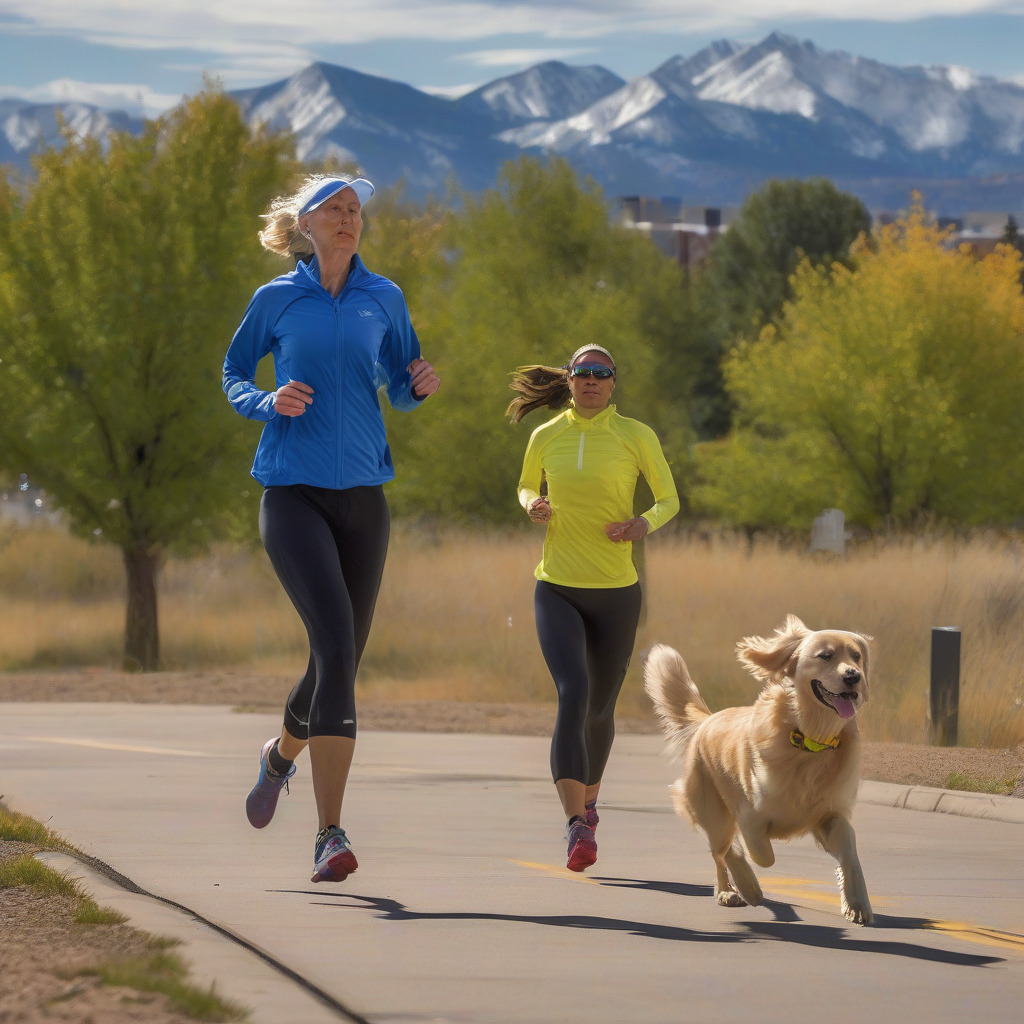
You arrived fit. You’ve been running four days a week back home, you signed a lease near Wash Park specifically because of the loop, and on day three you lace up for what should be an easy 2.6-mile shakeout. By the time you hit the south end — barely a mile in — your legs feel fine and your lungs feel broken. You’re breathing harder than you do at race pace. You slow to a walk. A 65-year-old with a golden retriever passes you.
This is the Wash Park wake-up call. It happens to transplants every week.
This article isn’t for tourists catching a headache on a long weekend in the mountains. It’s for people who just signed a lease, are about to, or are six weeks in and still wondering when their body is going to stop fighting the zip code. The adjustment timeline is measured in weeks, not days, and understanding what’s actually happening inside your body makes the difference between managing it intelligently and either ignoring real warning signs or catastrophizing normal ones.
What Denver’s Elevation Is Actually Doing to Your Body
At 5,280 feet, atmospheric pressure drops enough that each breath delivers roughly 17 percent less oxygen than the same breath at sea level. The air isn’t “thinner” in the poetic sense — the percentage of oxygen in the atmosphere stays at 21 percent, same as at the beach. What changes is the partial pressure, which determines how efficiently oxygen crosses from your lungs into your bloodstream. At sea level, that system runs at full efficiency. At Denver’s elevation, it runs with a meaningful handicap from day one.
Your body recognizes this immediately. Within 24 to 48 hours of arriving, your kidneys begin secreting erythropoietin — yes, the same hormone at the center of every cycling doping scandal you’ve read about — which stimulates red blood cell production. More red blood cells means more hemoglobin, which means more oxygen-carrying capacity per breath. The initial EPO surge happens fast; the actual increase in circulating red blood cells takes a few weeks to become noticeable, and full hematological adjustment is closer to six weeks out.
In the meantime, your body compensates clumsily. You breathe faster and more shallowly. Your heart rate runs higher at any given workload. You produce more urine, which accelerates dehydration. Your sleep architecture shifts in ways that feel like insomnia but aren’t.
One distinction worth making clearly, because most online content gets this wrong: the bulk of what you’ll find about altitude sickness — from mainstream health sites, from urgent care pamphlets — was written with 9,000-to-14,000-foot elevations in mind. Acute Mountain Sickness, High Altitude Pulmonary Edema, and High Altitude Cerebral Edema are documented, serious conditions that occur predominantly above 8,000 feet with rapid ascent. At Denver’s elevation you’ll almost certainly experience some degree of altitude adjustment. Clinical AMS is unlikely. HAPE or HACE at 5,280 feet are rare enough that they shouldn’t be your primary interpretive framework — though the symptoms that signal them demand immediate evaluation no matter what the probability looks like.
The Week-by-Week Adjustment Arc
Days 1 through 3 are typically the roughest. Symptoms — headache, fatigue, mild nausea, disrupted sleep — usually start between 6 and 24 hours after arrival and peak somewhere in the 24-to-72-hour window. If you flew in and felt fine that first evening, don’t be surprised when you wake up on day two feeling mildly run over. That’s the timing curve doing exactly what it should.
Headache is the most common symptom. It tends to be dull rather than sharp, and in most cases it responds to ibuprofen and aggressive hydration. Fatigue is real and disproportionate to activity — new arrivals frequently describe feeling exhausted after doing very little, which is disorienting when you’re used to being functional. Lightheadedness when standing up quickly, mild nausea, and a general sense of feeling “off” are all expected.
Sleep in this window is frequently poor in a specific way. Many new arrivals describe waking repeatedly at night, feeling short of breath, or noticing an unusual breathing pattern. This is often Cheyne-Stokes respiration — a cyclical pattern where breathing gradually deepens, then tapers off, sometimes to a brief pause, before repeating. It’s disorienting at 2 a.m. when you’re lying there wondering if something is wrong. At Denver’s elevation it’s a normal physiological response, not a signal of anything dangerous, and it typically resolves within two to three weeks.
Days 3 through 7 bring meaningful relief for most healthy adults. The acute headache phase passes, nausea resolves, energy starts to return. You won’t feel like yourself yet, but you’ll feel noticeably better than days one and two — which is exactly when people assume the adjustment is complete. It isn’t.
Weeks 2 through 4 are the phase that surprises the most transplants. The acute discomfort is gone but the physiological deficit hasn’t closed. Aerobic performance stays materially below your sea-level baseline even when you feel symptom-free. This is when people push their workouts back toward normal intensity because they feel better, and then wonder why they’re wrecked by Wednesday. The gap between how you feel and what your body can actually sustain is wider than it looks.
Weeks 4 through 6 are where most healthy adults reach functional acclimation. Red blood cell count has increased meaningfully. Heart rate response to exercise normalizes. Sleep is generally stable. For some people this happens in four weeks flat; for others it stretches to eight. Genetics, sleep quality, and how aggressively you pushed in weeks two and three all influence where you land.
One practical variable that doesn’t get enough attention: when you move matters. A summer arrival — particularly July or August — stacks altitude adjustment on top of heat and low humidity in ways a January move simply doesn’t. Denver’s July average high runs close to 89 degrees, relative humidity often dips below 40 percent on hot afternoons, and UV radiation increases roughly 10 percent per 1,000 feet of elevation gain. You’re losing more respiratory moisture with every breath, losing more fluid through sweat, getting hit harder by sun than you’re used to — all while your cardiovascular system is running at reduced efficiency. Summer transplants should build in extra margin and be more aggressive about hydration than the baseline guidance suggests.
Normal Symptoms vs. Go Now
Bookmark this section. The line between normal adjustment and something that needs medical attention is sometimes subtle, and it’s worth having the framework before you need it.
Manage at home: Mild headache that responds to ibuprofen and water within a couple of hours. General fatigue in the first week. Disrupted sleep, including Cheyne-Stokes breathing, in the first two to three weeks. Lightheadedness when standing quickly — common, manageable, usually resolves with hydration. Decreased appetite in the first few days. These respond to time, fluids, and rest.
Contact urgent care if a headache persists beyond 24 hours despite consistent hydration and over-the-counter pain medication — that’s not typical, and it’s worth a conversation. Same for nausea that’s persistent rather than transient, or multiple consecutive nights of severely disrupted sleep after the first week. Symptoms that seemed to improve and then returned or worsened after day three deserve professional attention.
UCHealth Urgent Care locations in Cherry Creek and Highland serve two of the densest transplant zip codes in the city. Denver Health’s urgent care system offers a sliding-scale fee structure for uninsured or underinsured patients — a real option for new arrivals who haven’t sorted insurance through a new employer yet.
Go to the emergency room immediately if you experience confusion, disorientation, loss of coordination, or unsteady gait. These are neurological signs suggesting High Altitude Cerebral Edema and require immediate evaluation — probability at 5,280 feet is beside the point. Breathlessness at rest, chest tightness, or a crackling sensation when breathing suggests High Altitude Pulmonary Edema, which is a medical emergency. Persistent vomiting that prevents you from keeping fluids down, or symptoms dramatically worsening after 48 to 72 hours rather than stabilizing, also warrant an ER visit.
HAPE and HACE at Denver’s elevation are rare. The physiology that produces them — rapid ascent to high elevation — isn’t the typical profile of someone who drove a moving truck to Washington Park. But the symptoms above need fast evaluation because the treatment (descent and oxygen) has to start quickly.
How to Exercise at City Park and Wash Park Without Wrecking Your Adjustment
The standard sports medicine protocol for altitude newcomers calls for reducing exercise intensity by 20 to 30 percent for the first one to two weeks. That’s not an instruction to stop moving. It’s a specific, evidence-based recalibration.
Practically: Washington Park’s 2.6-mile loop, City Park’s 2.2-mile loop, and Sloan’s Lake’s perimeter are all appropriate for easy-pace walking, light jogging, or cycling in your first weeks. They are not appropriate for interval sessions, pickup soccer at full intensity, or attempts to match your sea-level pace. The terrain is flat enough that the temptation to push is real. Resist it.
The most useful tool for the first few weeks: govern your effort by heart rate, not pace. Identify your easy-effort heart rate range from sea level and run to that same number in Denver. Your pace will be slower. Noticeably slower. Accept that. The pace gap narrows as acclimation progresses; chasing the pace before it closes is how fit people end up sick or injured.
This last point is worth dwelling on, and it’s one of the most important themes in our health & wellness coverage of life at altitude. Athletes and people who arrive in strong aerobic shape frequently underestimate early symptoms because they feel capable. Their cardiovascular system is working at maximum capacity just to maintain output at altitude, and layering a hard workout on top of that compounds the oxygen deficit fast. High-intensity training is specifically contraindicated in week one. The counterintuitive reality: aerobic fitness accelerates acclimation over the medium term, but it’s not a buffer against acute symptoms in the first days. The body’s oxygen-delivery system needs time regardless of how fit you are.
The Denver-Specific Traps
Craft beer is the first one, and it’s not a joke. Denver has more than 100 craft breweries operating within the metro, and new residents are socially drawn toward them within days of arriving — the scene genuinely is good, and the brewery crawl is a legitimate Denver ritual. But alcohol at altitude accelerates dehydration, suppresses the respiratory drive that’s already working overtime, and amplifies intoxication relative to sea level. Drink water alongside each drink, eat before you go, build in more recovery time than you would have at home. The first two weeks are the highest-risk window. You’re not being antisocial by skipping the crawl on day four.
Mountain weekend trips are the risk that local emergency physicians flag most consistently for new residents, and it’s the one I’d actually put first on this list. Denver sits at 5,280 feet. Breckenridge sits at 9,600 feet. Vail is around 8,150. Driving to the mountains before your body has adapted to Denver’s elevation — which takes four to six weeks — means jumping from a partially acclimated baseline to above 9,000 feet in under two hours. That ascent profile is exactly the rapid-ascent context in which AMS, HAPE, and HACE become real risks. Many new Denver residents do this within their first two weeks without understanding that they haven’t yet built the adaptation buffer that a fully acclimated Denver resident has. Hold off on overnight mountain trips until you’re at least four weeks into your Denver adjustment.
Summer sun gets underestimated constantly. UV intensity increases roughly 10 percent per 1,000 feet of elevation. At Denver’s elevation, on any given sunny day, you’re getting materially more UV exposure than at sea level — and Denver averages around 300 sunny days a year. New arrivals from cloudier or more humid climates consistently underestimate this. Sunburn drives inflammation, depletes hydration, and adds physiological load at exactly the moment your body is managing another major stressor. SPF 30 or higher daily, even on walk-the-dog days.
Who Should Talk to a Doctor Before the Moving Truck Arrives
For most healthy adults, altitude adjustment at Denver’s elevation is uncomfortable but self-resolving. For people with certain conditions, it warrants a physician conversation before the move rather than after symptoms appear.
Talk to your doctor before moving if you have severe anemia — the body’s compensatory mechanism starts from a compromised baseline. COPD or other obstructive pulmonary disease, where baseline oxygen saturation and respiratory reserve are already reduced, makes altitude adjustment riskier. Pulmonary hypertension can worsen with altitude-related hypoxia. If you have a congenital heart defect involving a right-to-left shunt — which affects blood oxygenation and can be stressed by altitude-related changes in pulmonary pressure — don’t assume Denver is fine without talking to your cardiologist first.
Sickle cell trait is worth flagging separately. Carriers are at elevated risk of certain altitude-related complications, including splenic infarction during high-exertion activity at elevation. The risk is real but manageable with awareness. If you carry sickle cell trait, tell your physician before moving and before returning to high-intensity exercise at elevation.
Acetazolamide (Diamox) occasionally gets prescribed for altitude adjustment. It speeds acclimation by stimulating respiration and is well-documented for AMS prevention above 8,000 feet. At 5,280 feet it’s rarely indicated for healthy adults, but physicians sometimes prescribe it for people with specific risk factors or difficult altitude adjustment histories. If you’re in one of the above categories, ask.
One condition worth dismissing: Chronic Mountain Sickness appears in some altitude-content lists as a Denver concern. It isn’t — it occurs in populations living at elevations well above 10,000 feet over extended periods. Don’t let it factor into your thinking.
National Jewish Health, based in Denver, is world-renowned for respiratory medicine. For new residents arriving with COPD, pulmonary fibrosis, asthma, or complex pulmonary conditions, it’s the local resource to establish care with before altitude adjustment becomes a clinical problem.
Can You Ever Fully Adjust? The Honest Answer
Permanent inability to adjust to 5,280 feet in otherwise healthy adults is genuinely rare. The research on permanent high-altitude maladaptation is focused at elevations well above 8,000 feet, typically in populations living at 10,000 feet and higher. Denver’s elevation is moderate by the standards of altitude medicine.
The more honest nuance is this: some people adjust in three weeks and feel terrific; others take the full six and have a harder road. Genetics, sleep quality, hydration habits, and how aggressively you pushed in weeks two and three all shape where you land. Stacking early risk factors — mountain trips before full acclimation, heavy drinking in the first weeks — extends the timeline.
For people with pulmonary hypertension or certain cardiac conditions, ongoing medical oversight is warranted. For a small number of people with specific conditions, sustained life at altitude may genuinely not be advisable. That’s a conversation for a physician who can evaluate your specific case.
For everyone else: the discomfort is real, the timeline is weeks not days, and the outcome for the overwhelming majority is full adjustment. The Wash Park loop will feel easy again. Six weeks from now you’ll jog past the south end without thinking about your lungs, and the 65-year-old with the golden retriever will have to work to keep up with you. Your body knows what to do. Give it time.
Local Resources
UCHealth Altitude Medicine Clinic — affiliated with CU Anschutz Medical Campus in Aurora. The appropriate referral for persistent, complicated, or medically complex altitude adjustment cases. Not a drop-in urgent care; request a referral through your primary care provider.
Denver Health Urgent Care — multiple locations, sliding-scale fees for uninsured and underinsured patients. A practical first stop for new arrivals with headache, nausea, or sleep disruption that isn’t resolving on its own.
UCHealth Urgent Care — Cherry Creek / UCHealth Urgent Care — Highland — both serve high-density new-resident neighborhoods and are appropriate for persistent headache, moderate nausea, or disrupted sleep that isn’t getting better.
National Jewish Health — Denver — world-renowned for respiratory medicine. The local resource for new residents with COPD, pulmonary fibrosis, pulmonary hypertension, or complex asthma. Worth establishing care with before arrival if this describes you.
Washington Park — 2.6-mile outer loop at approximately 5,350 feet. Free, open daily.
City Park — 2.2-mile loop at approximately 5,280 feet. Free, open daily. Adjacent to the Denver Zoo and Museum of Nature & Science, which makes it a useful errand to stack on an easy walk during adjustment weeks.
Sloan’s Lake Park — approximately 2.6-mile perimeter path. Northwest Denver. Free, open daily.
All three are good venues for easy-effort activity during your adjustment weeks. Save the hard efforts for week five.
CityDesk Denver publishes local business and civic coverage for Denver residents. This article is for informational purposes and does not constitute medical advice. Consult a licensed physician for guidance on your individual health situation.