How to Prepare Your Body for Hiking Colorado 14ers If You Just Moved to Denver
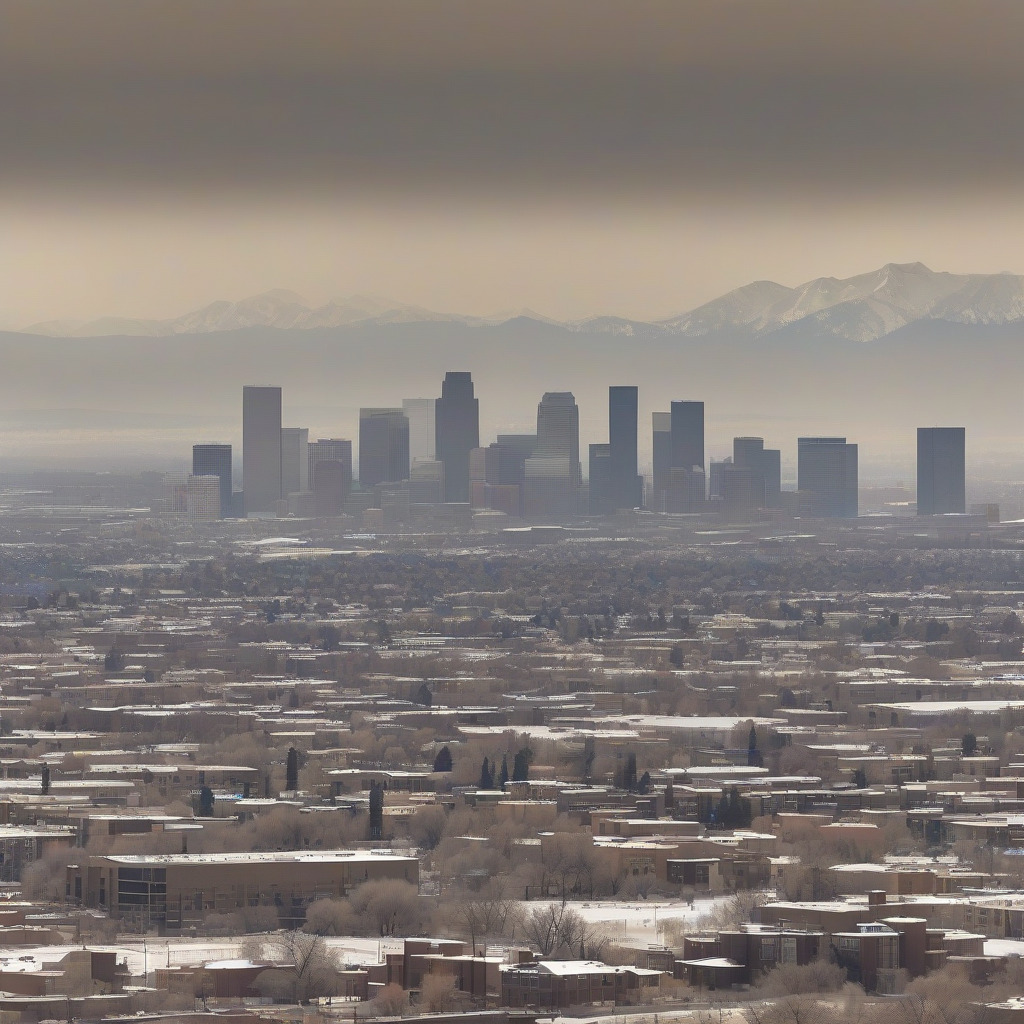
Moving to Denver in spring or early summer, you'll notice the 14ers on your first clear morning—a white-capped wall of rock floating above the metro. The impulse to drive up and climb one is immedi…

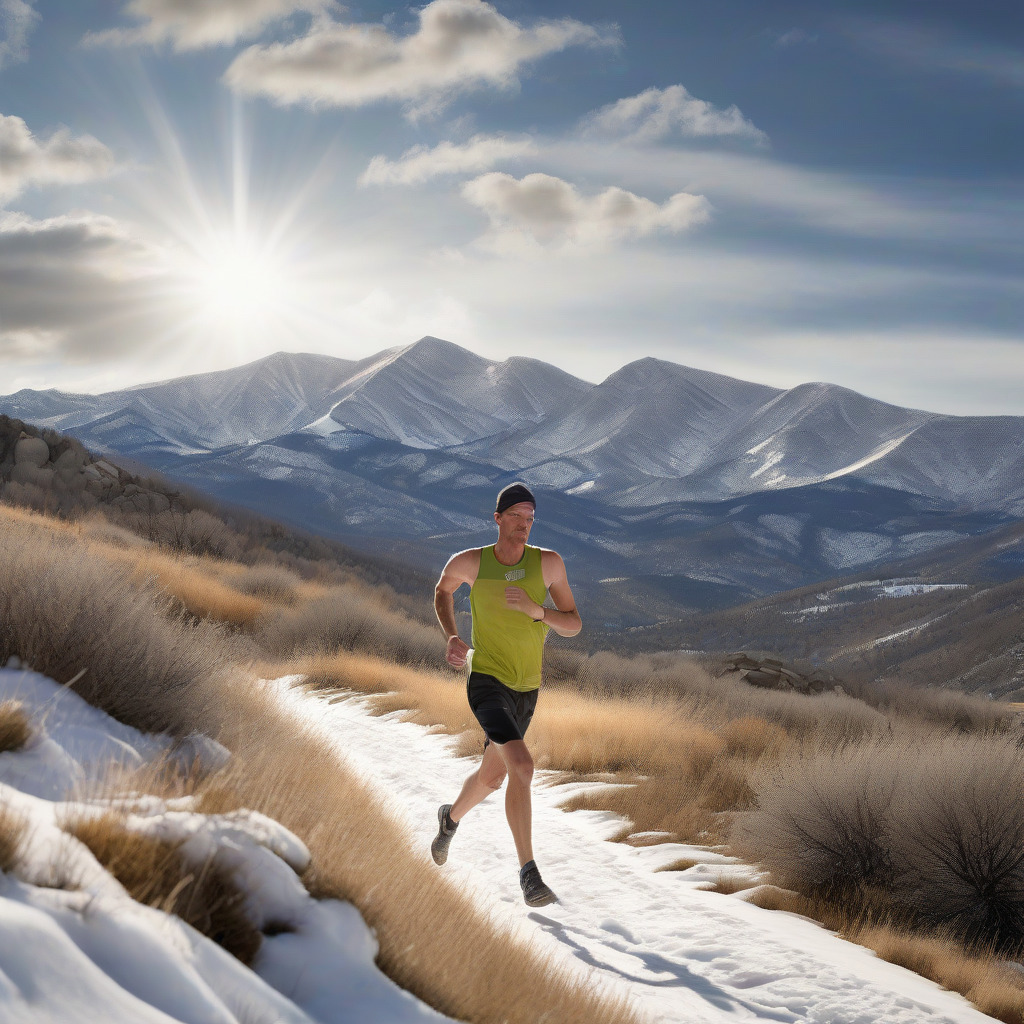
Moving to Denver in spring or early summer, you’ll notice the 14ers on your first clear morning—a white-capped wall of rock floating above the metro. The impulse to drive up and climb one is immediate and completely understandable. Resist it.
The good news: arriving at 5,280 feet puts you well ahead of a sea-level visitor. But your body hasn’t finished adjusting yet, and the gap between Denver’s baseline and a 14,000-foot summit is large enough to put unprepared hikers in serious trouble. I’ve watched people blow past this warning, convinced that because they ran half-marathons back home they’d be fine. They were not fine.
What follows is a 12-week training calendar built specifically for new Denver residents. Specific trails. Measurable benchmarks. The turn-back rules that actually keep people safe. Work through it in order.
How Long Should You Wait Before Attempting a 14er After Moving to Denver?
Most new Denver residents should wait a minimum of 10 to 12 weeks before attempting a true 14er summit—and that assumes you’re actively training throughout, not just existing at elevation and hoping for the best.
At altitude, your body responds to lower oxygen partial pressure by producing more erythropoietin (EPO), the hormone that drives red blood cell production. More red blood cells means more oxygen-carrying capacity. But that process takes time. It doesn’t care about your fitness level or your ambition.
According to UCHealth Sports Medicine, whose clinicians at the E. 17th Avenue location work regularly with Front Range athletes and altitude newcomers, the first two weeks at Denver’s elevation typically bring headaches, disrupted sleep, and unusual fatigue. Noticeable improvement appears around weeks three and four. Full blood adjustment to Denver’s altitude takes roughly four to six weeks.
That’s four to six weeks just to normalize at 5,280 feet. A 14er summit sits well above that baseline. Let that sink in before you start loading up the car.
Weeks 1–4: Build a Local Base Before You Drive Anywhere
The single most common mistake new Denver residents make is loading gear into the car the first weekend and heading up I-70. Don’t. Your body is still adjusting to the altitude you’re already at. Exposing it to 12,000 or 13,000 feet before that adjustment completes is how you turn a fun weekend into an AMS misery session.
Green Mountain, Jefferson County Open Space (Lakewood) is the best starting point. The summit sits at 6,855 feet—only about 1,575 feet above Denver—with roughly 1,200 feet of vertical gain over 4.8 miles round trip from the W. Alameda Pkwy trailhead. About 25 minutes from central Denver. The trail is accessible year-round, well-maintained, and popular enough that you won’t be alone if something goes sideways. Parking has historically been free at Jefferson County Open Space trailheads, though fee structures change occasionally—check their website before you go.
Green Mountain isn’t dramatic. Nobody’s posting summit selfies that rack up likes. But it tells you something important: if you’re sucking wind on the summit ridge after three weeks in Denver, that’s information you need before you’re at 13,500 feet with storm clouds building to the west.
Mount Falcon Park (Indian Hills/Morrison, about 30 minutes from Denver) adds useful variety to your weekend rotation. Elevation gain runs from 600 to 1,000 feet depending on your trailhead and how far you extend the route. The Walker’s Dream Trail is a solid option for early-phase training. Like Green Mountain, it’s accessible year-round and appropriate for back-to-back weekend days—which is exactly how you should be using these weeks.
Saturday and Sunday consecutive hikes teach your legs how they perform on day two. That matters when you eventually spend a weekend camping near a 14er trailhead. Check Jefferson County Open Space’s trail pages for current route conditions before you plan your approach.
By the end of week four, you should be completing both trails without meaningful soreness or cardiovascular struggle. If you’re not there, extend this phase. There’s no penalty for taking six weeks to complete what this plan calls a four-week block. The mountain has been there for 300 million years. It’ll wait.
Weeks 5–8: Push Into the 11,000-to-12,000-Foot Zone
This is where the real work begins. The transition from Front Range foothills to true alpine altitude is where most hikers first encounter genuine altitude stress—and where your body starts preparing for what a summit actually demands.
Herman Gulch Trail (Clear Creek County, Bakerville Exit 218 off I-70, about 55 minutes from Denver) is the centerpiece of this phase. Herman Lake sits at approximately 12,000 feet, and the trail gains about 1,700 feet over 6.8 miles round trip. This is the first trail in this progression where Acute Mountain Sickness is a genuine possibility for people who haven’t fully adjusted. Treat it as a dress rehearsal for everything: your pacing, your hydration, how your head feels at 11,500 feet, how your appetite responds. This hike tells you whether you’ve done the work or just think you have.
The parking lot fills early on summer weekends—arrive by 7 a.m. or accept a roadside situation that adds distance to your approach. A USFS Recreation Day Use fee applies; check the current amount and seasonal dates on the Forest Service website before you go. The trail is typically snow-free by late May or June, though that varies year to year.
Guanella Pass serves a different and somewhat counterintuitive purpose during this phase: park at the trailhead at 11,669 feet and simply spend time there before you hike anything. Sit for 30 minutes. Eat lunch. Walk around. Notice how your body responds to that altitude. This isn’t procrastination—it’s reconnaissance. If you feel terrible just being there, your body is telling you something important before you’ve committed to thousands of feet of vertical gain. I know it feels absurd to drive 90 minutes just to eat a sandwich in a parking lot. Do it anyway.
Hike Herman Gulch at least twice during this phase, ideally on consecutive weekend days toward the end. Track your times and, more importantly, your symptoms. A headache that appears above 11,000 feet and resolves below 10,000 is common and informative. One that doesn’t resolve is a signal to slow down the whole timeline.
Weeks 9–12: Benchmark Hikes Before Your Summit
These aren’t training hikes anymore. They’re readiness tests. Don’t attempt a 14er summit until you’ve cleared the benchmarks below.
Mount Bierstadt (14,060 feet, Guanella Pass trailhead at 11,669 feet, about 7 miles round trip) is the most logistically accessible true 14er from Denver, and the one most Front Range hikers attempt first. The trailhead is about 1.5 hours from Denver, the elevation gain from the trailhead is roughly 2,400 feet, and the standard route is non-technical with a clear line of descent. It’s also one of the few 14ers where the trailhead itself sits high enough that your body arrives already partway there. On a clear July morning, the approach through the willows is genuinely beautiful—which you’ll actually be able to appreciate if you’ve done this prep work instead of just white-knuckling it to the top.
Quandary Peak (14,265 feet, Summit County, trailhead at about 10,850 feet, 3.4 miles one way) is another solid starting point with a well-worn trail. About 1.5 hours from Denver via I-70 and CO-9. Colorado Parks and Wildlife has piloted a timed-entry reservation system for Quandary. Check CPW’s recreation portal before you plan your attempt—showing up without a required permit means you don’t hike.
There are 58 officially recognized 14ers in Colorado (53 by strict prominence standards), and plenty of others that require technical climbing. Bierstadt and Quandary sit near the accessible end of that spectrum, which is exactly why this plan points you toward them. Your first summit should be achievable with proper preparation, not an exercise in survival.
How to Know You’re Actually Ready
“Be in good shape” is useless advice. Here are specific, testable thresholds.
You should be able to complete 2,000 feet of vertical gain in under four hours carrying a loaded day pack. That number reflects what Bierstadt and Quandary actually demand; a Denver sports medicine clinician can confirm whether your individual baseline requires a higher bar.
In the six to eight weeks before your summit attempt, log at least 8 to 10 miles per week with 1,500 or more feet of cumulative elevation gain—not any single big day, but consistent load over time. Then test yourself with back-to-back hikes: 1,000-plus feet of gain on Saturday, then the same on Sunday without a recovery day between. How do you feel on Sunday morning? If the answer is “fine after the first mile,” you’re ready. If Sunday feels like starting from zero, you need more base fitness. Better to learn that on Mount Falcon than at 13,000 feet on Bierstadt.
A resting heart rate below 60 beats per minute is a useful supporting signal, not a hard gate. Track it for a few weeks as one data point among several.
Train with the weight you’ll actually carry. A realistic 14er day pack—two to three liters of water, extra layers, rain gear, food, first aid basics, a headlamp, navigation tools—runs 15 to 20 pounds. Don’t train with an empty daypack and show up with 18 pounds on your back. Use the same weight in training that you’ll carry on summit day. This seems obvious until you don’t do it and your shoulders are screaming by mile three.
If you have any history of altitude sensitivity, cardiac concerns, or prior AMS episodes, a pre-summit consultation with a Denver sports medicine physician is worth the cost. UCHealth Sports Medicine and Denver Health both have clinicians experienced with altitude. A targeted consultation typically runs $150 to $300—call ahead to confirm current rates when scheduling.
When the Calendar Actually Works
Most online content ignores the practical scheduling reality of Colorado’s mountain seasons. A new Denver resident arriving in late March or April can start weeks one through four on Green Mountain and Mount Falcon immediately—both are accessible year-round and require no snowmelt. The push to Herman Gulch and Guanella Pass in weeks five through eight lands in late May through June, when those trailheads typically become snow-free. A Bierstadt or Quandary summit attempt in late June through August falls squarely in Colorado’s optimal 14er window: post-snowmelt, pre-heavy-snow, and during the most stable weather of the alpine calendar.
The hard deadline within that window is noon. Leave the summit no later than 12 p.m.—earlier is better. Colorado’s monsoon season begins in early July, triggering afternoon thunderstorm patterns that make exposed ridgelines genuinely dangerous. Lightning above treeline is the leading cause of 14er fatalities in Colorado.
This means your alarm goes off at 3 or 4 a.m. on summit day, you’re moving by 5, and you’re on your way back down by mid-morning. Yes, 3 a.m. If that sounds extreme, look up Jefferson County Search and Rescue’s call logs from any given July. If weather is building early—cumulonimbus development visible before 10 a.m.—turn around regardless of how close the summit looks. The summit will still be there.
Shoulder-season 14er attempts are not recommended for first-timers. Bierstadt gets done in October occasionally by experienced hikers with microspikes, but the route-finding and weather variables belong in a different article entirely.
Altitude Sickness: Symptoms, Decision Points, When to Turn Back
Most people who get into trouble on 14ers ignored symptoms they didn’t understand—or understood perfectly well and kept climbing anyway. Both happen more than you’d think.
Acute Mountain Sickness (AMS) is the entry-level altitude illness: headache plus at least one of nausea, fatigue, dizziness, or disrupted sleep, typically appearing six to twelve hours after significant altitude gain. The Lake Louise Score is the clinical assessment tool—it weights those symptoms on a numeric scale, with a score of three or higher (with headache present) indicating AMS. The Colorado Mountain Club, headquartered in Golden at 710 10th Street, publishes clear trail protocols and features prominently in our outdoor fitness and recreation coverage. In plain terms: mild AMS means stop ascending, rest, hydrate, and take 600 to 800 mg of ibuprofen. If symptoms don’t improve within 30 minutes, do not continue upward.
Moderate AMS—worsening headache, vomiting, increasing disorientation—means immediate descent of at least 1,000 to 2,000 vertical feet. CMC’s standing rule: never ascend with AMS symptoms.
High Altitude Cerebral Edema (HACE) is severe AMS progressing to brain swelling. Signs include ataxia (inability to walk a straight line), altered mental status, and extreme confusion. HACE requires emergency descent immediately and a 911 call.
High Altitude Pulmonary Edema (HAPE) involves fluid accumulation in the lungs—persistent cough, gurgling or crackling breath sounds, extreme fatigue at rest. HAPE is rapidly life-threatening. Get down and call emergency services.
On a 14er, descent is your medicine. If anyone in your group shows HACE or HAPE indicators, get down now. Not after you see whether it gets worse. Now.
On the pharmacological side: Diamox (acetazolamide) is a prescription medication that accelerates altitude adjustment and reduces AMS risk. It requires a physician visit—it’s not available over the counter, and not every urgent care provider will prescribe it for altitude purposes. If you want it as a precaution, call ahead to UCHealth or Denver Health to set up that conversation before summit week, not the night before.
Denver-Based Resources: Where to Train, Find Gear, and Go With a Group
The Colorado Mountain Club is the most valuable local organization for any new Denver resident with 14er goals. Annual membership runs approximately $60 to $80 (check current rates at cmc.org). CMC offers guided group 14er hikes through its Denver and Boulder chapters, meaning you can attempt your first summit with experienced leaders who know the route, watch for AMS in other group members, and make go/no-go calls based on real field experience.
For a first-timer, this is probably the lowest-risk option available. It’s also a decent way to meet people who actually know these mountains, which matters when you’re new to town. CMC also offers a free Basics of Mountaineering course covering navigation, altitude illness, and weather reading—worth doing before your summit attempt regardless of whether you join a guided trip.
For gear, the non-negotiables: waterproof hiking boots broken in before summit day (not fresh out of the box—blisters at 13,500 feet are their own special misery), trekking poles (the knee-saving value on descent is real; don’t skip these), a 20 to 30-liter pack, a rain shell rated for real alpine weather, moisture-wicking base layers, a warm mid-layer that works when wet, sun protection, two to three liters of water capacity, and a headlamp.
Denver has multiple REI locations, including the Colfax Avenue flagship. Neptune Mountaineering in Boulder is worth the drive if you want staff who can actually answer technical questions.
The 12-Week Snapshot
Weeks 1–4 (April–May): Green Mountain and Mount Falcon Park. Goal: fitness baseline and Denver-altitude adjustment. Back-to-back weekend hikes. No I-70 driving required.
Weeks 5–8 (Late May–June): Herman Gulch Trail to Herman Lake and Guanella Pass altitude exposure. Goal: first real alpine environment, AMS assessment, pacing at genuine altitude. Arrive early, carry full pack weight.
Weeks 9–12 (Late June–August): Mount Bierstadt or Quandary Peak as summit attempts—only after clearing all fitness benchmarks. Alarm at 3 or 4 a.m., summit by 10, off the exposed ridge by noon.
The 14ers will be there next summer, and the summer after that. The point of this plan isn’t to slow you down—it’s to make sure you reach the summit feeling strong enough to already be thinking about the next one.