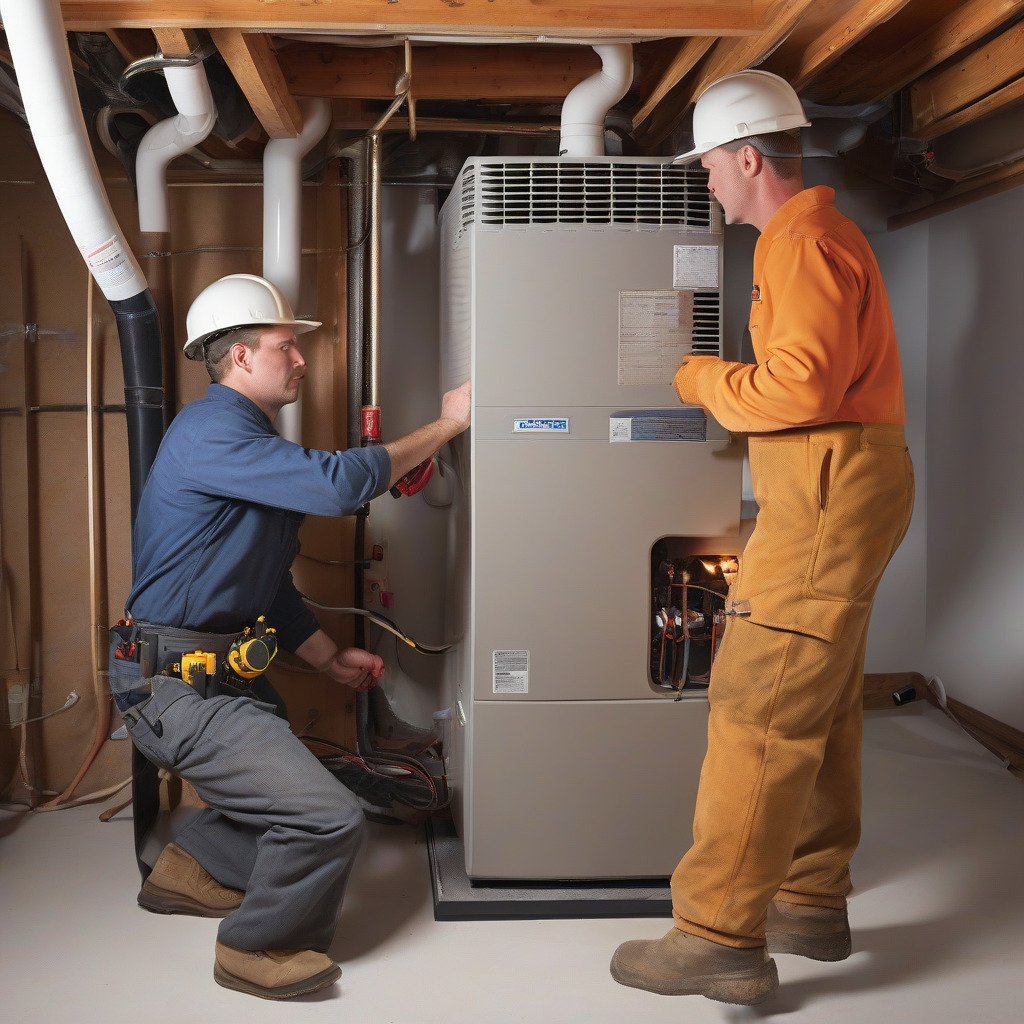
What Denver Renters Are Owed When the Heat Stops Working
Denver's heating ordinance sets a stricter standard than state law. Most renters don't know the number, the timeline, or what to do tonight.

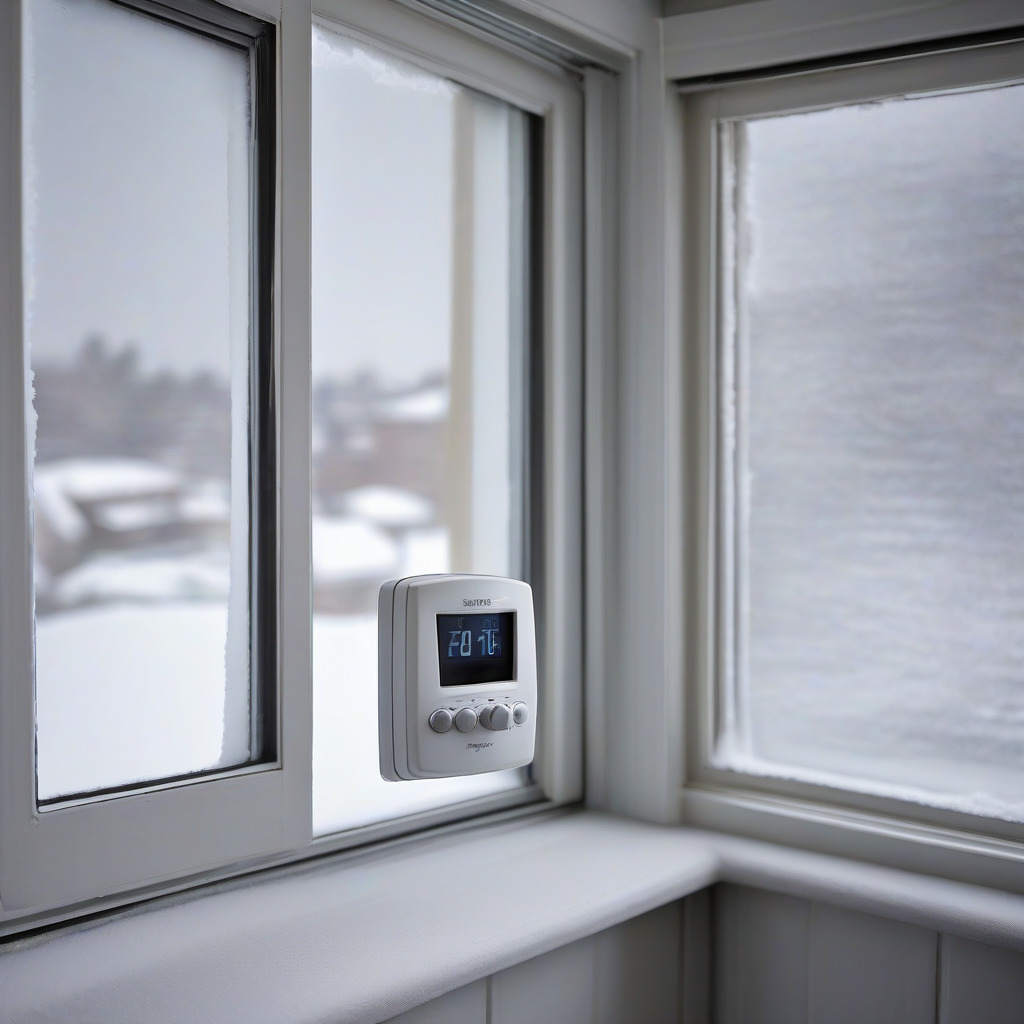
Denver’s heating ordinance sets a stricter standard than state law. Most renters don’t know the number, the timeline, or what to do tonight.
If Your Heat Is Out Right Now — Start Here
Don’t scroll past this. Call 311 — or dial 720-913-1311 directly — and file a housing code complaint. You can also file online at denvergov.org/311. After hours, stay on the 311 line and follow the prompts for a housing or public health emergency. A live operator picks up.
Then text or email your landlord right now. Not tomorrow. The entire legal framework in Colorado runs off a timestamped clock, and that clock doesn’t start until your landlord has written notice.
The rest of this piece explains what the law actually requires, what your landlord has to do and when, and what happens if they don’t. But if you’re cold tonight, those two steps come first.
The Number: 68°F, Not “Comfortable”
Denver’s minimum indoor heating standard is specific: 68 degrees Fahrenheit, established under Denver Municipal Code Chapter 27, which governs housing maintenance and occupancy standards.
That number matters because Colorado state law — C.R.S. § 38-12-503 — requires that rental units be “fit for human habitation” and have adequate heating, but doesn’t name a temperature. Denver’s local ordinance does. When you’re renting in Denver, the city standard controls. Not “warm enough.” Not “reasonable.” Sixty-eight degrees.
The 68°F requirement applies to habitable rooms: living areas, bedrooms, shared spaces where people actually spend time. Unfinished basements and storage areas are out. If you’re sleeping in the kitchen because it’s the only room that holds heat, mention that to the inspector.
The ordinance applies during heating season — the period when outdoor temperatures require mechanical heating to maintain the indoor minimum. In practice, that’s roughly October through April, though the official trigger is weather-dependent rather than calendar-fixed. Whether the 68°F threshold applies around the clock or only during defined hours is worth confirming directly with Denver Community Planning and Development before you cite it in any formal notice. Based on publicly available code language, it applies broadly during heating season, not just business hours. But confirm it.
A landlord who tells you to wait until December to worry about heat is misreading the ordinance Denver actually enforces.
Why This Matters More in Denver Than Most Cities
Denver’s reputation as a sunny city leads renters — particularly newcomers — to underestimate how cold it actually gets. Three hundred days of sunshine sounds mild until January. Between November and March, Denver averages around 25 nights below freezing. January overnight lows average about 18°F.
What really gets people is the volatility. A 40°F temperature swing within a single 24-hour period is common on the Front Range. A unit that was fine at noon can be dangerous by midnight if the heat fails. Anyone who’s wintered here knows the feeling: you go to bed in a jacket just in case.
The risk concentrates in specific neighborhoods. Older rental stock — aging boilers, single-pane windows, radiator systems that haven’t been serviced in years — is heavily clustered in Globeville, Elyria-Swansea, Five Points, Cole, and Capitol Hill. These neighborhoods also have high renter populations and, in several cases, some of the lowest median tenant incomes in the city. That combination isn’t an accident. It’s a pattern we track consistently in our home & property coverage.
A landlord who drags their feet on a July maintenance request is one problem. That same landlord going silent when the boiler dies in January is something else. Renters should know their rights in October, not in January when they’re already freezing and looking for a phone number.
How Long Does Your Landlord Have?
Colorado’s Warranty of Habitability Act — C.R.S. § 38-12-503, strengthened significantly by HB21-1121 in 2021 — requires landlords to maintain units in habitable condition and fix violations within a reasonable time after written notice. The statute doesn’t define a fixed number of hours, which benefits landlords far more than tenants.
What Colorado Bar Association guidance, tenant advocates, and housing court practice have settled on: 24 to 72 hours for emergency conditions. Complete heat failure in a Denver winter is an emergency. The colder the outdoor temperature when the heat dies, the harder it is for a landlord to argue 72 hours is acceptable. At 18°F outside, the reasonable window is 24 hours, not three days.
The clock doesn’t start until the landlord has written notice. A phone call is better than nothing. It’s not enough if you eventually need to prove you gave notice. A text or email — timestamped, preserved — is what city inspectors and courts look at. Send it before you do anything else.
One important distinction courts have made: a furnace that died overnight and left your unit at 50°F by morning is an emergency. Heat that’s been inconsistent for three weeks while you’ve been managing with space heaters is a different legal situation — one where a court will reasonably ask why you waited to notify your landlord in writing. Don’t wait. Document the problem and send written notice the moment you notice something is wrong, even if the failure seems partial.
What “Habitability” Actually Means — and Why No Heat Qualifies
Under C.R.S. § 38-12-503, Colorado landlords must provide units that are safe and fit for human habitation. The statute specifically identifies failure to maintain heating capable of keeping a unit at a safe temperature as a habitability violation. A landlord who tells you a freezing apartment doesn’t rise to that level is wrong, and not in a gray-area way.
This distinction matters practically: a landlord who ignores a habitability violation isn’t just being negligent. They’re in breach of a specific statutory duty. That shifts your legal position — instead of proving the landlord was careless, you’re pointing to a written obligation they didn’t meet. The same statutory framework applies when landlords ignore other essential systems, including air conditioning failures in summer months.
Renters in severe situations should also know about constructive eviction. If conditions become so uninhabitable that you’re forced to leave — staying in a hotel or at a friend’s place because the heat has been out for days — Colorado courts have recognized this as the functional equivalent of a landlord-initiated eviction. A successful constructive eviction claim can support a damages case covering your hotel stays, replacement food or medication, and related costs.
This isn’t a quick fix. It’s a legal claim, which means it takes time and documentation. But leaving doesn’t automatically mean you’ve given up your rights. Know that before you pack a bag.
Your Legal Options, in Order
Colorado gives tenants a ladder of remedies. Nearly all of them require that you’ve already given written notice to your landlord. That’s the foundation. Everything else builds on it.
Step 1: Written notice to the landlord. Text or email, so you have a timestamp. State that the heat has failed, that the unit is below 68°F, and that you’re requesting immediate repair. Keep a copy. This step is not optional.
Step 2: File a 311 complaint. Do this at the same time as Step 1, not instead of it. Call 311 or 720-913-1311, or file at denvergov.org/311. A complaint triggers an inspection and creates an official city record — documentation that matters if you later pursue legal remedies.
Step 3: Repair-and-deduct. C.R.S. § 38-12-507 allows tenants to arrange repairs themselves and deduct the cost from rent, after written notice and a reasonable period for the landlord to respond, up to a statutory dollar cap. Verify the current cap with Colorado Legal Services or at cofcourts.org — the figure may have changed since HB21-1121 took effect. This option works best when the landlord acknowledges the problem but is moving slowly.
Step 4: Lease termination. HB21-1121 significantly expanded this right. A tenant who has given written notice of a habitability violation and received no timely remedy can terminate the lease without penalty. If your landlord refuses to fix the heat and the unit genuinely can’t be made habitable, you’re not trapped. Document everything carefully before invoking this option and talk to a tenant attorney first.
Step 5: Rent withholding — approach with real caution. Colorado has no rent escrow statute. Simply stopping payment because your heat is out can result in an eviction notice even if your underlying complaint is completely valid. Courts require that self-help remedies be strictly followed before a tenant can withhold or reduce rent. Do not do this without legal advice. This is where well-intentioned renters most often damage their own cases.
Step 6: Small claims or district court. If your landlord has caused you documentable financial harm — hotel costs, damaged property, health impacts — you may have a lawsuit. Denver’s small claims court process is designed to be navigated without an attorney. For constructive eviction claims or larger damages, you’ll want representation.
What Actually Happens After You File a 311 Complaint
Filing is straightforward. Call 311 or 720-913-1311, say you have a housing code complaint and that your unit is below the 68°F minimum, and have your address and the landlord’s contact information ready. You can also file online at denvergov.org/311.
Heating complaints in Denver go through Community Planning and Development, which handles building and housing code enforcement. A CPD inspector gets assigned to your case. For standard complaints, response time can stretch to several business days — which is why calling 311 and notifying your landlord simultaneously matters. You cannot rely on the city for same-night relief. Denver does prioritize heating complaints during cold weather, but “prioritize” doesn’t mean “tonight.”
When an inspector documents that the unit is below code, they issue a Notice of Violation to the property owner, with a compliance deadline. Ignore it and the fines start. A 311 complaint won’t heat your apartment. What it does is create an official record that the violation occurred and was reported, and apply regulatory pressure with real consequences behind it. That record matters if you later go to court.
A note for anyone tracking this closely: Denver’s actual enforcement posture on heating complaints — response times, how often violations result in fines, how quickly inspectors are dispatched in winter emergencies — isn’t fully clear from public information. A records request for CPD heating-complaint data from 2022 through 2024 would answer that. It’s worth asking.
Document Everything Before You Do Anything Else
Your case is only as strong as your paperwork. Take a photo of your thermostat showing the indoor temperature — most smartphones timestamp photos automatically, but check that yours does. Do it at multiple points in the day, especially overnight when temperatures drop furthest.
Save every text and email. Screenshot your texts and back them up somewhere outside your phone. If your landlord says something important verbally, follow up in writing: “As we discussed this morning, the heat is still out.” Keep receipts for anything you spent because of the failure — hotel nights, a space heater, replacement food, extra blankets. Those are potentially recoverable if you end up in court.
Keep a basic log: when the heat failed, when you notified the landlord, what response you got, and what the indoor conditions were each day. A notes app is fine. The format doesn’t matter. The consistency does.
Colorado’s warranty of habitability remedies kick in only after the landlord has received written notice and failed to act within a reasonable time. The better your documentation of that notice — and that silence — the stronger your position.
The Colorado Judicial Branch’s self-help site at cofcourts.org has tenant-specific forms for repair disputes, including demand letter templates and small claims court guides. Free, plain-language, designed for people going it alone.
Where to Get Free Help in Denver
Colorado Legal Services / Denver Legal Aid 303-837-1313 | coloradolegalservices.org
The primary provider of free civil legal assistance for income-qualifying renters in Denver and across the state. If you meet the income threshold, you can get free legal advice, help with a demand letter, or in some cases full representation. The intake call is brief — they’ll ask about your situation and income. Call even if you’re not sure you qualify. The worst they can say is that you’re over the threshold.
Denver Office of Housing Stability (HOST)
Denver’s primary city office for tenant assistance. They offer mediation resources that can sometimes resolve disputes without court. Search “Denver Office of Housing Stability” at denvergov.org for current contact information — direct lines shift.
Colorado Judicial Branch Self-Help Center cofcourts.org
For renters filing their own small claims case or drafting a demand letter, this site has plain-English guides and tenant-landlord forms. Phone numbers for legal aid organizations do change; confirm current numbers on official websites before calling.
Sidebar: If Your Heat Goes Out Tonight
Right now:
Take a photo of your thermostat — indoor temperature, timestamp showing. Note the outdoor temperature and weather conditions.
Then immediately:
Text or email your landlord. State that the heat is out and you need immediate repair. Keep a copy of everything.
At the same time:
Call 311 or 720-913-1311 to file a housing code complaint. Online: denvergov.org/311, housing or property maintenance category.
After hours:
Stay on 311 and follow emergency prompts. If the situation is dangerous — especially for children, elderly residents, or anyone with a medical condition — and your landlord is unreachable, consider Denver’s non-emergency police line for a welfare check, or 211 Colorado for emergency shelter resources.
If nothing happens within 24 to 72 hours:
Call Colorado Legal Services at 303-837-1313 before taking any action on rent or repairs. Don’t improvise here.
Reporting note: The exact Denver Municipal Code section for the 68°F standard, whether the threshold applies around the clock or only during defined hours, the current repair-and-deduct dollar cap under HB21-1121, and the precise after-hours emergency routing through 311 all warrant direct verification with Denver Community Planning and Development before any legal action. Renters with active heating emergencies should call 311 or Colorado Legal Services — not rely solely on this article for legal strategy.