Is Bathtub Refinishing Worth It for Denver Homeowners?
With aging housing stock across the west side and a booming rental market, Denver homeowners and property managers are taking a harder look at refinishing. But local costs, ventilation realities, a…

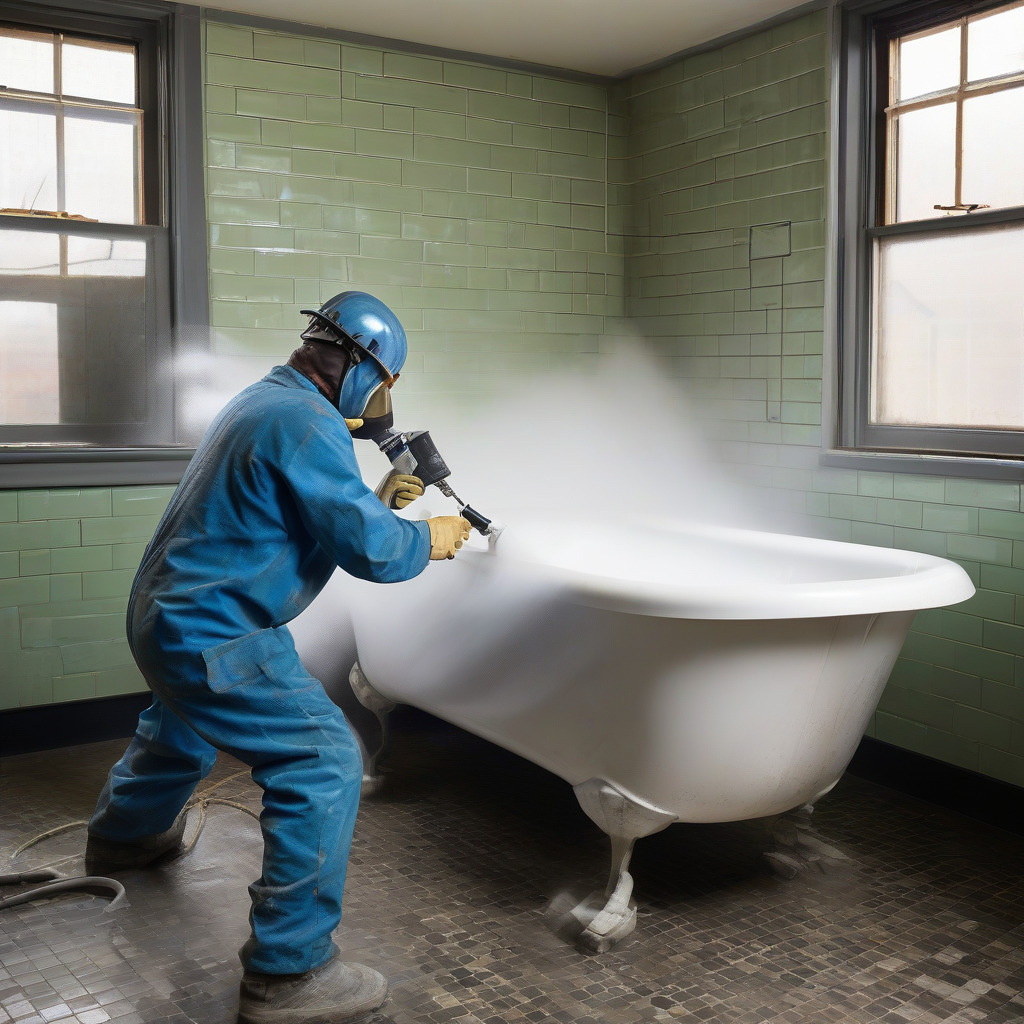
With aging housing stock across the west side and a booming rental market, Denver homeowners and property managers are taking a harder look at refinishing. But local costs, ventilation realities, and altitude add wrinkles the national guides skip.
Denver Bathrooms Are Undergoing Steady Renovation
Drive through Harvey Park on a weekend and you’ll see it: dumpsters in driveways, contractor vans at the curb, the ongoing churn of renovation that’s defined Denver’s older westside neighborhoods for the better part of a decade. What you might not notice is how many of those projects involve a bathtub refinisher rather than a demolition crew. It happens inside and wraps up in a day — no dumpster required.
Denver’s concentration of mid-century housing sets it apart from newer metros like Phoenix or Las Vegas, where housing stock skews younger and bathrooms often come with builder-grade acrylic surrounds that simply get swapped out. In Harvey Park, Barnum, Westwood, and Valverde, the dominant tub is a cast-iron or enameled steel unit installed somewhere between the 1950s and 1980s. These tubs are heavy, built to last structurally for generations, and they’re exactly the substrate that refinishing works best on. Cast iron holds coatings well. It doesn’t flex. It doesn’t crack under normal use the way fiberglass can.
That’s the material reality driving a quiet uptick in refinishing work across the city. Add Denver’s rental density — Capitol Hill alone has a massive stock of multifamily buildings dating to the 1920s through 1960s — and the economics start making real sense. Property managers are turning units on tight timelines and tighter budgets. Refinishing fits that math better than replacement almost every time.
Refinishing, Reglazing, Resurfacing: What the Terms Actually Mean
Before you call anyone, know that “refinishing,” “reglazing,” and “resurfacing” are used interchangeably in the industry and by most consumers. They describe the same process. A technician cleans the tub thoroughly, repairs chips and cracks, applies an etching compound to create adhesion, primes, and sprays on a new topcoat — typically a two-part polyurethane or acrylic urethane that bonds to the original enamel. When it cures, you have a hard, glossy surface that functions like new enamel.
What refinishing is not is a liner. Bathtub liners are a separate product: a custom-molded acrylic or PVC shell measured to fit over your existing tub. They have known failure modes — water gets trapped between the liner and the original surface, creating mold problems that are invisible until they’re serious. By the time you notice, you’re in for a much bigger project than you bargained for. Liners also add height to the tub, which can create clearance issues with existing tile surrounds. For most Denver homeowners dealing with surface wear on a structurally sound cast-iron tub, refinishing is the better option. Be skeptical of anyone pushing liners hard without first asking about your tub’s condition.
The actual process takes the better part of a workday, followed by a curing period before the tub is ready for use. During the active work phase, the technician is spraying highly volatile compounds in an enclosed space. This is where Denver’s specific conditions start to matter — more on that below.
What Refinishing Actually Costs in Denver
The figures that circulate widely — $350 to $600 for a standard tub refinishing — reflect national averages dragged down by lower-cost markets in the South and Midwest. Denver’s construction trades have run at a significant labor premium for years, driven by sustained population growth and a tight skilled-trades workforce. That premium doesn’t disappear because someone is working with a spray gun instead of a framing nailer. Expect to pay more than those national figures suggest; specific quotes from Denver refinishers will be incorporated here following scheduled interviews with local contractors.
What is already clear: quotes well below that national floor for a Denver job warrant real scrutiny. At a suspiciously low price point, you’re almost certainly looking at a one-part coating — essentially a paint — rather than a catalyzed two-part system. One-part coatings look fine initially but don’t achieve the hardness of a proper two-part polyurethane finish. They yellow faster, chip faster, and don’t hold up to Denver’s notoriously hard water.
A low-ball quote may also mean a technician cutting corners on surface prep, which is where most refinishing failures begin. Poor cleaning or skipped etching leaves the new coating nothing to grab. A coat applied over an improperly prepared surface will peel within months regardless of product quality. That’s not a defect in the coating; that’s a defect in the job, and you’ll be the one living with it.
For comparison: a full tub replacement in Denver runs $1,500 to $5,000 or beyond, depending on the fixture you choose and what demo reveals about your subfloor and plumbing rough-in. If you’re replacing a cast-iron tub in a bathroom with original tile you want to preserve, you’re looking at the higher end of that range, and as we note in our home & property coverage, renovation costs in Denver’s older housing stock consistently run above national benchmarks. Demo almost always damages surrounding tile. Almost always.
Altitude, Arid Climate, and the January Window Problem
Denver’s environmental conditions introduce variables that national refinishing guides don’t address, because most of those guides are written for no particular market at all.
The altitude question is real. At 5,280 feet, atmospheric pressure is lower than at sea level, and for two-part polyurethane coatings, this affects how the product atomizes when sprayed and how the catalytic cure proceeds. Experienced local refinishers adjust their spray equipment and mixing ratios accordingly. Ask about it when you’re vetting a contractor. If they’ve been doing work in Denver for years, they’ll answer without hesitation. If they look at you blankly, they may be a regional operation deploying technicians without local calibration — the kind of detail that operators like Renew-It Refinishing, who build their work around specific local conditions, treat as foundational rather than optional. That’s a problem worth taking seriously.
Denver’s low humidity is an advantage here. Most coating products cure better in dry conditions, and the city’s average relative humidity — typically 40% or below — is well within the optimal range for polyurethane applications. You’re not fighting the moisture issues that cause adhesion problems in coastal climates. Denver also gets around 300 sunny days a year, which gives refinishers a meaningful scheduling window; spring through fall is typically busier, so expect to wait longer for a slot.
Winter scheduling is a genuine complication. Refinishing coatings produce significant solvent vapor during application, and proper ventilation requires actual airflow — a window open, ideally with a fan exhausting to the exterior. In Denver in January, when temperatures drop sharply, asking a homeowner to ventilate a bathroom for the duration of a refinishing job is a real hardship. Cold air also slows the catalytic cure, which extends the wait before the tub is usable. Reputable refinishers account for this; some won’t book jobs during cold snaps. Any contractor who waves off the ventilation question in winter is either using a less durable product chemistry or isn’t being straight with you about what the job requires.
VOCs, Colorado Air Quality Rules, and What to Ask
The ventilation requirement exists because refinishing coatings are genuinely hazardous during application. Most professional-grade products are isocyanate-based or polyurethane-based two-component systems. Both the uncured coating components and the solvents used as carriers are classified as volatile organic compounds. The cross-linking that makes these coatings so durable is the same process that creates off-gassing and demands ventilation.
The practical guidance is simple: leave the residence during the job and for several hours afterward. It’s not just about the smell; it’s about limiting exposure to solvent vapor while the coating finishes curing. Any refinisher who downplays this is either using inferior chemistry or cutting corners on safety.
The Colorado Department of Public Health and Environment regulates VOC-containing architectural and industrial coatings under its air quality program. Reputable contractors should use products that comply with Colorado’s applicable VOC content limits. Ask what product they use and whether it meets CDPHE VOC standards. A professional operation will have a straight answer. Someone using off-label or cut-rate chemistry often won’t — and that discomfort is itself informative.
Other questions worth asking before you sign anything: What does the warranty actually cover, and for how long? Surface peeling? Yellowing? What’s the claim process? Does the technician carry liability insurance, and will they provide proof? What’s the cure time before the tub can be used? Will they provide written care instructions specifying which cleaners to avoid? Most people don’t know that abrasives and certain household chemicals will damage the new surface — until after the damage is done.
The Property Manager Angle
If you own or manage rental property in Denver, bathtub condition is a recurring friction point at turnover. Tenants mention it in reviews. It shows up in security deposit disputes. Colorado’s Residential Landlord-Tenant Act creates a practical incentive to address it: a landlord’s ability to deduct tub damage from a security deposit depends on the tub being in documentably good condition at move-in. A tub with crazing, chips, and yellowed enamel at the start of a tenancy is a tub you’ll struggle to charge for at the end of one.
The refinishing economics work well for rental property. A job typically runs a single workday — a significant operational advantage over a full replacement involving multiple trades and several days of disruption. Property managers schedule this work between tenancies, which makes turnover timing the critical variable.
Capitol Hill and Congress Park property managers deal with some of the city’s oldest rental stock and have made refinishing a routine line item. One property management company handling three multifamily buildings on Capitol Hill schedules refinishing for roughly two units per year at each property, treating it as preventive maintenance at turnover rather than emergency repair. That approach produces better condition reporting from tenants and fewer security deposit disputes than buildings where tubs are allowed to degrade until replacement becomes unavoidable. It’s the kind of unglamorous operational decision that actually makes money over time. Denver renters dealing with landlords who let conditions slide have options, too — including those detailed in what Denver tenants can do when their landlord refuses to fix air conditioning, which outlines the broader framework of tenant remedies under Colorado law.
How to Vet a Denver Refinisher Before You Call
The refinishing industry has a low barrier to entry. A van, a spray setup, and some product knowledge are enough to start taking jobs, which means the quality range is genuinely wide — wider than in trades with licensing requirements.
Start with the Colorado Secretary of State’s business database at sos.colorado.gov. Any legitimate business should be registered and in good standing. This takes two minutes and eliminates a category of fly-by-night operators.
Check BBB Denver’s standing, but don’t treat a high rating as a full endorsement. Look at how the company responds to complaints, not just whether they have any. A company with a handful of complaints that were resolved professionally tells you more than a company with zero reviews. Multiple unresolved complaints about peeling or yellowing? Walk away.
Google and Yelp reviews are useful if you read them critically. Look for specifics, not star ratings. Patterns matter more than individual reviews. Consistent mentions of peeling within months of the job is a red flag. Reviews noting that the technician was professional about ventilation and safety precautions are a meaningful signal in the other direction.
Ask directly about warranty terms and get them in writing. Some companies warranty labor only; others warrant materials. Some limit coverage to a year; others extend to three or five. A verbal warranty that won’t go on paper isn’t a warranty.
Ask about insurance. General liability coverage protects you if something goes wrong — a dropped tool cracks a floor tile, overspray damages a fixture. A legitimate professional operation will have coverage and be willing to show proof.
Finally, ask about the altitude and product questions outlined above. A company that’s been doing good work in Denver long enough will bring this up naturally, or respond with specific, confident answers. Vague reassurances are not the same thing.
When Refinishing Makes Sense and When It Doesn’t
The case for refinishing is strongest when you have a cast-iron or enameled steel tub that is structurally sound but has surface degradation — chips, crazing, yellowing, worn gloss. That describes a high percentage of the tubs in Denver’s westside neighborhoods, and for those situations, refinishing is almost certainly the better economic choice compared to replacement. Assuming you use a reputable contractor. That last part isn’t a throwaway caveat; it’s basically the whole ballgame.
The case falls apart in a few specific situations. If the tub floor has a structural crack — not a surface crack in the enamel, but a crack in the substrate — refinishing is a cosmetic fix on a structural problem. The crack will reopen and the coating will fail along the stress line. If the tub has serious rust-through, where the iron itself has corroded, the substrate can’t hold a coating reliably. And if you’re planning a full bathroom gut renovation within two or three years anyway, spending money on a surface that’ll end up in a dumpster doesn’t make sense. Be honest with yourself about that timeline before you book anyone.
For Denver homeowners and property managers working with the city’s mid-century housing stock, the decision is usually pretty clear. A structurally sound cast-iron tub with surface wear is a refinishing job. The only real question is finding the right contractor — and now you know what to ask.
CityDesk Denver will update this article with verified pricing, warranty, and product details from local refinishers following scheduled interviews. Readers with specific questions about local contractors or project details can reach the editorial desk at [contact link].