What to Know About Basement Flooding Risk and Drainage in Denver
From Globeville to Harvey Park, here's where the water goes — and what you can do before it reaches your floor drain.

From Globeville to Harvey Park, here’s where the water goes — and what you can do before it reaches your floor drain.
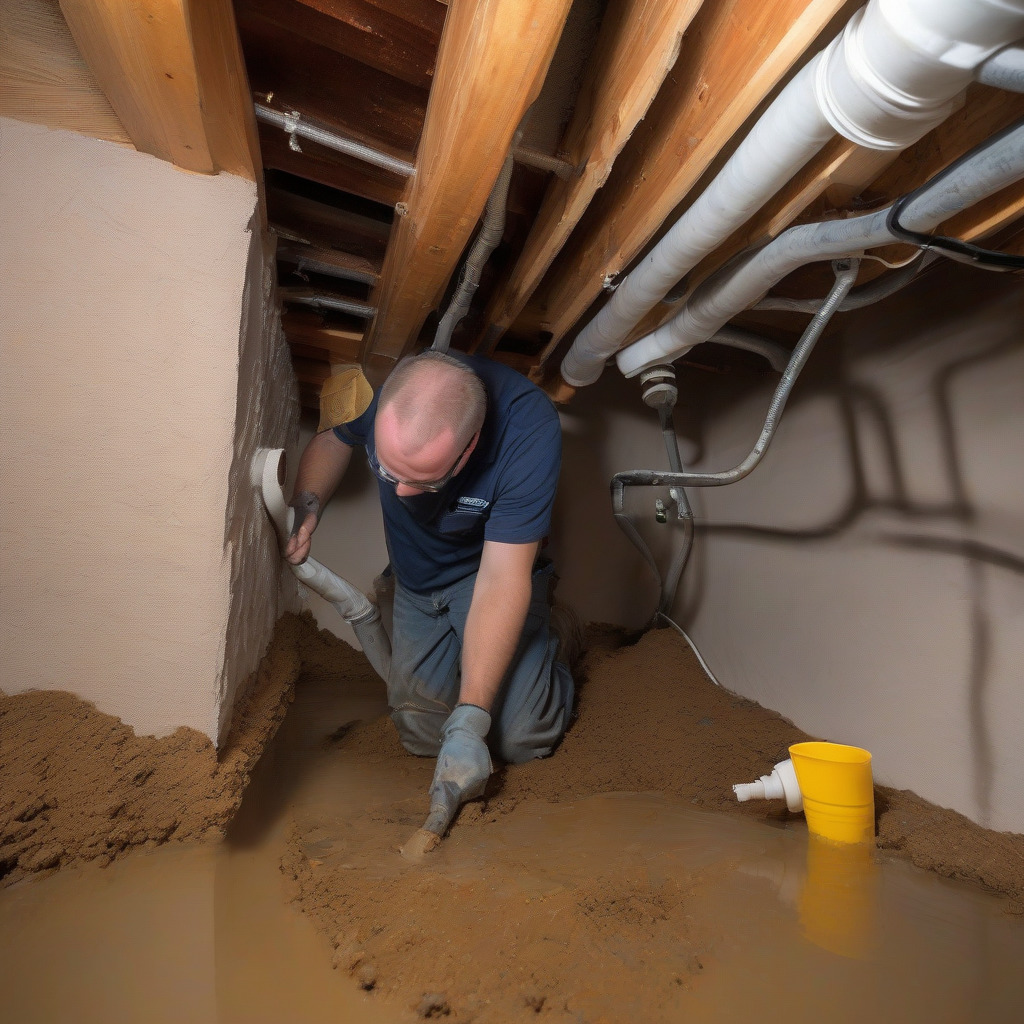
Every spring, Denver homeowners open their basement doors to find standing water they weren’t expecting. Their street didn’t flood. The news didn’t report anything. Their neighborhood is marked Zone X on the FEMA map. And yet the floor drain is backing up, the carpet squishes underfoot, and a dehumidifier is no longer a reasonable response.
This happens because the two most common mental models for basement flooding miss the actual mechanisms that put water in Denver basements. One is the dramatic river overflow. The other is the mapped floodplain. This piece is built around a different frame: understanding the actual mechanisms, knowing where your property stands on current flood maps, and being clear-eyed about what remediation costs and what the city will and won’t cover.
Why Denver Basements Flood Even When the Forecast Looks Fine
The dominant soil type across much of Denver is Bentonite clay — a highly expansive material that absorbs water slowly and releases it even more slowly. When that clay layer becomes saturated, it stops accepting additional moisture. Water that has nowhere to go downward starts moving laterally, following the path of least resistance along your foundation walls and eventually through them. Builders and engineers call this a perched water table. Homeowners call it a mystery.
The result is the “bathtub effect.” Water collects around the foundation as though the clay itself were the walls of a tub, pressing inward against the basement structure. This happens independently of whether your property sits near a river. A house in Montclair or Harvey Park South, blocks from the nearest named waterway, can take on water through this mechanism during a sustained wet period or a rapid snowmelt event. Its Zone X designation on the FEMA map tells it nothing useful. That’s not a flaw in the map — it’s just a map designed to track a different kind of risk.
The second mechanism is more direct: urban stormwater. Denver’s combined and separated sewer systems can be overwhelmed during intense convective rainstorms. When they are, water finds the same path your plumbing uses — backward through floor drains, basement toilets, and utility connections. Different problem. Different solutions. Keep them separate in your mind before you spend a dollar on remediation.
Surface and sewer backup flooding is a drainage infrastructure problem. Groundwater infiltration through foundation walls is a soil and foundation waterproofing problem. Many Denver basements face both simultaneously. Figuring out which one you’re dealing with before you hire a contractor isn’t just useful — it’s the whole ballgame.
Denver’s Two Peak Flooding Seasons
Denver’s 14.3 annual inches of precipitation are not evenly distributed. Roughly half falls between March and June, a wet season that arrives well before most residents are thinking about flooding.
The first risk window runs March through May, driven by snowmelt. When a heavy snowpack begins to thaw rapidly, it hits ground that’s often still frozen or deeply saturated. Hydrostatic pressure against basement walls spikes during a window when the ground simply can’t absorb what’s being delivered.
The second is convective storm season: July and August, when afternoon thunderstorms can drop one to two inches of rain in less than an hour over a small geographic area. Denver’s storm drain system wasn’t designed to handle that kind of intensity. Catch basins back up. Streets sheet-flow. Sump pits fill faster than pumps can discharge. For basements in the Montclair Basin or Harvey Park, that’s when sewer backup becomes most likely.
Mark two inspection dates on your calendar now. The first in February, before snowmelt starts. The second in late May, before convective season begins. Waiting until you see water means you’ve already lost the preparation window — and in Denver’s waterproofing contractor market, that means a waiting list measured in weeks. Many contractors can’t fit emergency calls into their schedule once water is actually present. Meanwhile, your floor joists are sitting in standing water. This kind of advance planning is exactly what our home & property coverage aims to support — practical information before the problem arrives.
What FEMA Zone AE and Zone X Actually Mean for Your Denver Property
The FEMA Flood Map Service Center at msc.fema.gov is the correct starting point. Denver County’s Community Number is 080001. Enter it through the MSC search to pull the current effective Flood Insurance Rate Map (FIRM) panels for your specific address.
Zone AE covers areas with a 1 percent annual chance of flooding — the “100-year flood” — where a Base Flood Elevation (BFE) has been calculated. In Denver, Zone AE runs along two primary corridors: the South Platte River and Cherry Creek. If your property carries a Zone AE designation and you have a federally backed mortgage, your lender is typically required to mandate flood insurance as a loan condition. That insurance must come from the National Flood Insurance Program (NFIP) or a private flood carrier. Standard homeowner’s policies exclude flood damage without exception.
Zone X — what most Denver residential properties carry — indicates minimal flood hazard from mapped floodplains. It doesn’t mean no flood risk. As described above, Denver’s expansive clay soils and urban drainage dynamics create basement flooding conditions FIRM maps weren’t designed to capture. That’s the gap that catches a lot of homeowners flat-footed.
The 2013 Front Range floods triggered significant remapping across the Denver metro. Letters of Map Revision (LOMRs) filed after that event changed zone designations for a number of parcels. If you bought your home before 2015 and haven’t verified your current flood zone status, check now. The FEMA MSC includes a Change Search function showing amendment and revision history by community number.
For homeowners who believe their structure sits at or above the Base Flood Elevation but have been mapped into Zone AE, a Letter of Map Amendment (LOMA) is the formal mechanism for contesting that designation. FEMA provides MT-EZ forms for simple single-lot cases. You’ll need elevation data certified by a licensed surveyor — roughly $400 to $700 in this market. If approved, a LOMA can eliminate the mandatory flood insurance purchase requirement. The process takes time. Don’t start it the week before closing.
[Editor’s note: Confirm current LOMR status for Denver County post-2020 with Denver Development Services or directly through the FEMA MSC before publication. Confirm whether Denver has adopted local amendments to floodplain maps under Denver Revised Municipal Code Chapter 56.]
The Denver Neighborhoods Carrying the Highest Basement Flooding Risk
Zone designations describe regulatory risk. What follows describes where the mechanics of Denver flooding actually concentrate — the addresses where the city receives the most water damage complaints relative to housing density.
Globeville and Elyria-Swansea sit at the confluence of the South Platte River and Clear Creek, squarely in Zone AE. Both neighborhoods saw documented structure flooding during the 2013 floods. The risk here is direct floodplain exposure, not clay-soil groundwater. Flood insurance is required by lender mandate.
Sun Valley borders the South Platte and was until recently one of Denver’s most economically isolated neighborhoods. The multi-phase Sun Valley Ecodistrict redevelopment has incorporated drainage remediation into site work — partly because portions sit in or near Zone AE. That infrastructure work doesn’t automatically reduce risk for existing homeowners outside the new construction footprint. The neighborhood is changing fast; the floodplain maps haven’t kept up. Buyers of new construction there should still verify current FIRM designations against individual parcel addresses before assuming they’re covered by the broader site improvements.
Cole and Clayton fall within the Montclair Basin, a drainage basin that historically produces sewer backup complaints during intense convective storms. This is primarily an urban stormwater volume problem, not floodplain proximity. When the Montclair Basin storm sewer surcharges, it pushes water backward through connections in older homes. A sump pump alone won’t solve this. A backflow preventer on the floor drain is the relevant fix.
Harvey Park and Harvey Park South are one of Denver’s most underappreciated flooding risk zones. The topography is flat, limiting gravity drainage. The housing stock is predominantly mid-century construction with aging clay-tile sewer laterals — a material prone to cracking, root intrusion, and outright collapse. Sewer backup through floor drains and laundry connections is the dominant problem here, compounded by combined sewer overflow events during heavy rain. A homeowner buying in Harvey Park should budget for either sewer line replacement or a comprehensive backflow prevention system as routine due diligence, not emergency response. I’d call it non-negotiable in that zip code.
Overland sits adjacent to the Cherry Creek corridor Zone AE boundary. Properties closest to the creek face the same combination of floodplain exposure and hydrostatic clay-soil pressure that characterizes South Platte corridor neighborhoods. The transition zone between mapped and unmapped areas is where the ambiguity about true risk is highest — and where buyers most often get caught assuming they’re fine because their immediate neighbors seem to be.
Berkeley and Regis present a different mechanism: elevated groundwater tied to proximity of Berkeley Lake and Rocky Mountain Lake. These bodies raise the local water table enough that during wet periods, hydrostatic pressure through foundation walls is a recurring problem for older homes. This is a groundwater management problem, not a sewer backup problem. A properly sized sump system with interior perimeter drainage is the standard fix.
How to Check Whether Your Flood Zone Designation Has Changed Since You Bought
Pull up msc.fema.gov and enter your address. The map viewer shows your current effective FIRM panel and zone designation. Note the panel number and effective date.
Then use the FEMA Change Search tool — accessible from the same portal — and enter Community Number 080001. This returns a log of all Letters of Map Amendment and Revision filed for Denver County, with effective dates. If revisions occurred near your parcel after your purchase date, you may have been affected. The log is dense but searchable by address.
If you’re in Zone AE and didn’t know it, contact your homeowner’s insurance carrier immediately. You’ll need an NFIP policy or a private flood policy. If you have a federally backed mortgage and your lender becomes aware of a mandatory purchase zone before you’ve obtained coverage, you may face force-placed flood insurance — which costs substantially more than a policy you buy yourself. Think of it as the penalty rate for getting caught without coverage.
If you believe the Zone AE designation is incorrect — your structure sits above the BFE — contact a licensed surveyor for an elevation certificate. That document runs roughly $400 to $700 in this market and provides the basis for a LOMA application filed through the MSC portal using FEMA’s MT-EZ form.
For floodplain development permit questions, contact the Denver Floodplain Administrator at Denver Development Services, 201 W. Colfax Avenue. Any work that modifies drainage flow across a property line or alters the elevation of a structure in a mapped floodplain requires approval before you break ground.
What Fixes Actually Work — French Drains, Sump Pumps, and Window Wells Explained
The remediation category that’s right for your basement depends entirely on which flooding mechanism you’re dealing with. This is not a minor distinction. Applying the wrong solution to the wrong problem is one of the most common and expensive mistakes Denver homeowners make — and contractors aren’t always forthcoming about the difference when they’re selling one particular product. A thousand-dollar window well cover won’t help a basement taking on water through the foundation wall.
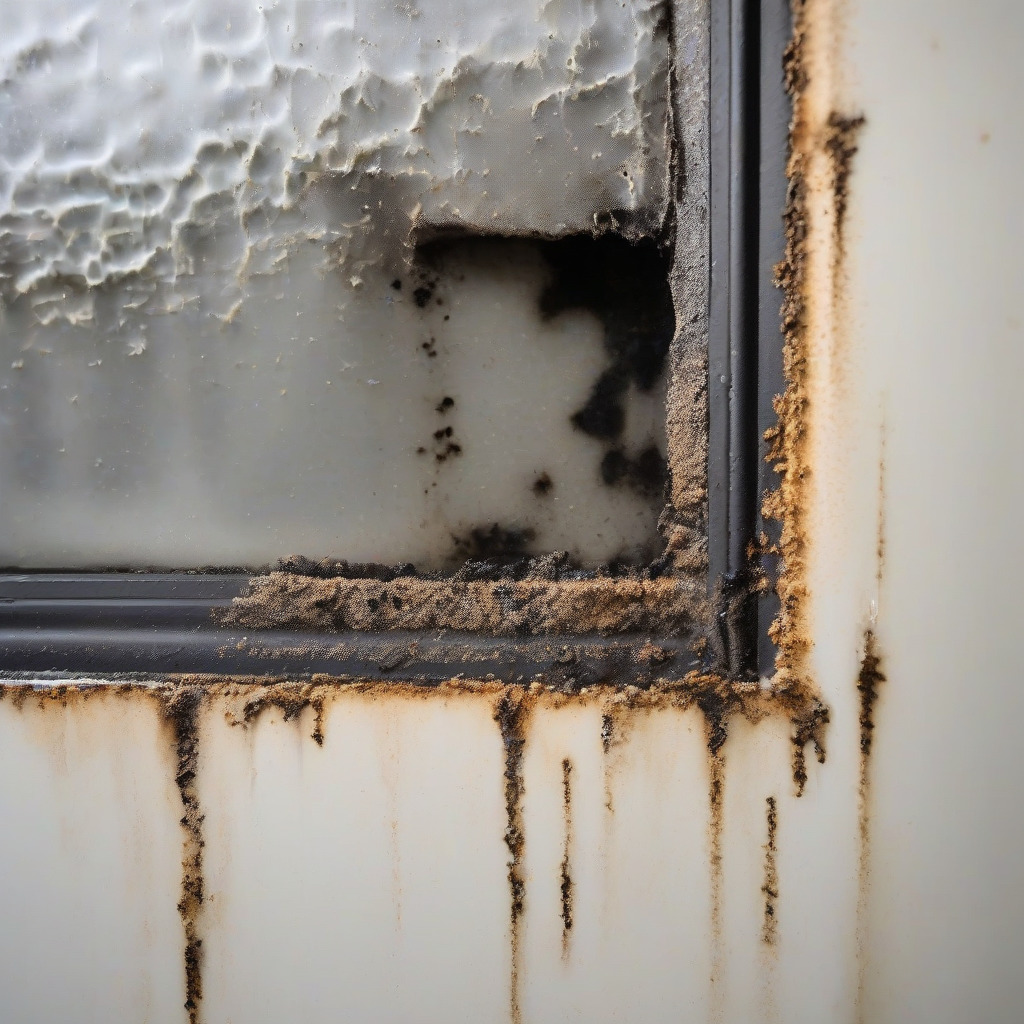
Interior perimeter drain systems (marketed as interior French drains) work for groundwater infiltration — the Bentonite clay bathtub scenario. A contractor breaks the basement floor slab at the perimeter, installs a perforated drain channel that collects seeping water, and routes it to a sump pit. The system doesn’t stop water from entering the foundation. It intercepts it before it reaches your floor. This is the right solution for Berkeley-area homes dealing with elevated groundwater, or any Denver basement where water appears along the base of the walls during wet weather but not through plumbing fixtures. If your basement walls show efflorescence — a white, chalky mineral deposit — groundwater is present and an interior drain system is the appropriate response.
Exterior French drains intercept water before it reaches the foundation at all, installing perforated pipe and gravel in a trench at the foundation perimeter. This reduces hydrostatic pressure more effectively than interior systems but requires full excavation around the foundation — in Denver’s Bentonite clay, that means difficult, expensive digging and significant disruption to landscaping. The excavation often costs more than the pipe and gravel. Exterior drains are most commonly installed during new construction or when interior systems have proved insufficient.
Sump pump systems are the collection and discharge component that interior drain systems feed into. A properly installed system includes a submersible pump, a discharge line routed to daylight (not the sanitary sewer — more on this below), and a battery backup pump. That last item matters more in Denver than almost anywhere: Colorado’s convective storms knock out power during exactly the conditions when your pump needs to be running. A power failure during a July thunderstorm, with no backup in place, can turn a finished basement into a swimming pool in a few hours. Battery backup is not optional equipment. It’s one of the few genuine insurance policies you can install in your basement — cost roughly $800 to $1,500 — and a surprising number of contractors leave it off the quote when a homeowner is trying to save money.
Many Denver homes built during the radon mitigation boom already have sub-slab depressurization systems installed. These use similar principles to drainage systems and sometimes share infrastructure with sump pits. Don’t assume your radon system is also managing water. Ask a contractor to examine it. They are different problems with overlapping equipment, and the distinction isn’t always obvious.
Window well drainage addresses a separate but common entry point. Below-grade areaway windows collect water during storms. If the window seal or frame has deteriorated, that water flows directly into the basement. Well covers keep bulk water out. Well drains — perforated pipes at the base running to daylight or to the interior drain system — handle what collects anyway. Usually $200 to $800 per well, and often sufficient when groundwater seepage is minimal and the main issue is surface water finding basement windows.
For sewer backup — the Harvey Park and Cole/Clayton problem — the relevant interventions are a floor drain backflow preventer or an overhead sewer conversion. A backflow preventer is a valve in the floor drain line that allows water out but not back in. An overhead sewer conversion reroutes the sump pump discharge (or laundry drain) to an overhead line running to the city sewer, eliminating backflow risk through an underground connection entirely. More expensive, more reliable. If you’re in Harvey Park and you’ve had sewer backup once, that conversation with a licensed plumber is worth having.
What It Costs in Denver — Local Contractor Estimates, Not National Averages
Denver’s construction labor market and the added difficulty of excavating in expansive clay soils push waterproofing costs above national averages. These figures are orientation benchmarks. Get at least two written quotes from licensed contractors before committing. Quotes should include scope, timeline, and warranty terms. If one quote is dramatically lower than the others, find out what’s been left out before accepting it.
Sump pump installation with new pit: $1,500 to $4,500, depending on pit depth, pump capacity, and whether battery backup is included. Replacing an existing pump in an existing pit runs toward the lower end. A new pit in clay soil can push to the upper end or beyond. Battery backup adds roughly $800 to $1,500.
Interior perimeter drain system for an average Denver basement: $8,000 to $20,000. A 1,500-square-foot basement with partial finishing and standard pump capacity typically runs $10,000 to $14,000. This is a multiday job involving significant concrete work and requires advance scheduling — which is exactly why waiting until the water is already there is so costly.
Exterior French drain: $70 to $130 per linear foot installed, including excavation, pipe, gravel, filter fabric, and backfill. Clay soil excavation is the primary cost driver. A modest Denver home with 150 linear feet of foundation perimeter runs $10,500 to $19,500. Add substantially more if mature landscaping requires removal and restoration.
Backflow preventer on floor drain: $400 to $1,200 installed, depending on whether existing drainage requires modification.
Window well covers and drains: $200 to $800 per well installed.
Contractors active in this market include Thrasher (regional, with Denver-area operations), Groundworks (national company with local crews), Colorado Waterproofing and Drainage, and B-Dry Denver. Before signing any contract, verify current licensing status through the Colorado Department of Regulatory Agencies contractor lookup at dora.colorado.gov. A contractor with active complaints but a valid license may still be worth considering — but pay attention to whether complaints are resolved and what the pattern is. Repeated complaints about cost overruns or delayed work are different from a single unresolved dispute.
For any drainage alteration work, pull permits through Denver’s PermitDenver portal at permits.denvergov.org. This isn’t optional and isn’t just paperwork. A permit and inspection protects the quality of the work and avoids problems when you sell.
One code point worth knowing: discharging a sump pump into the sanitary sewer system violates Denver’s plumbing code. The discharge line must route to the storm sewer, a drywell, daylight, or another approved outlet. This is one of the most common installation errors in the market — some contractors route to the sanitary sewer because it’s easier and cheaper, and homeowners who skipped the permit never know it happened until they’re cited for it or selling the house. The permit inspection is designed to catch exactly this.
[Editor’s note: Confirm these cost ranges with at minimum two current quotes from Denver-market contractors before publication. Confirm all four named contractors’ current DORA licensing status.]
What Denver’s Stormwater Utility Can and Cannot Do for You
Every Denver water and sewer customer pays a Stormwater Management Charge — roughly $20 to $35 per month for a typical residential customer. That money funds capital drainage infrastructure: detention basins, storm sewer improvements, channel modifications. The Harvard Gulch detention project is a real example of what this investment produces — a basin-scale intervention that captures upstream runoff and meters its release, reducing downstream flooding risk across an entire neighborhood. That’s worth knowing about if you live downstream of it. What it is not is a homeowner assistance program. The city doesn’t reimburse your sump pump.
There is one program Denver homeowners should know about: the Residential Sewer Backup Reimbursement Program administered by Denver Wastewater Management. When active, it provides partial reimbursement for cleanup costs associated with sewer backup events — specifically, situations where city infrastructure failure causes sewage to back up into a private basement. The scope is narrow: city system surcharge only. It doesn’t cover groundwater infiltration, surface flooding, or any flooding mechanism originating on private property.
The practical framing: if water enters your basement because Denver’s sewer system backed up during a storm and you can document that as a city infrastructure failure, there’s potential recourse. If water enters your basement because of hydrostatic pressure through your foundation walls from clay soil — even if it happens during a rainstorm — that’s your problem as a homeowner. No city program addresses it, and no amount of time on the phone with 311 will change that.
Denver Wastewater Management: 720-865-3003 or denvergov.org/wastewater. Floodplain development permits and regulatory status questions: Denver Floodplain Administrator, Denver Development Services, 201 W. Colfax Avenue.
[Editor’s note: Confirm that the Residential Sewer Backup Reimbursement Program remains active in 2025 and obtain current eligibility and reimbursement cap details before publication. Confirm phone number and web address.]
A Pre-Storm Inspection Checklist for Denver Homeowners
Two rounds of basement inspection — one in February before snowmelt season, one in late May before convective storm season — cover the risk windows that actually matter here.
February inspection (snowmelt prep):
Test your sump pump by pouring water into the pit until the float triggers. If the pump doesn’t activate, replace it before the ground thaws. This is not a test you want to fail in March. Then unplug the primary pump and confirm the backup kicks in. Battery charge indicators show red when the battery needs attention. If yours is red, deal with it now — not after the next storm.
Walk the exterior perimeter. Confirm the grade slopes away from the foundation on all sides. Even a slight negative grade directs snowmelt toward the structure. Areas where water collects against the foundation are priority candidates for either grading correction or interior drain planning.
Clear debris and ice from window well drains. Confirm covers are seated and haven’t been dislodged by snow load. A dislodged cover during a thaw can direct a week’s worth of snowmelt straight into your basement. Thirty seconds to prevent. Hours to clean up.
Extend downspouts so they discharge at least six feet from the foundation. Splash blocks work. Burying the downspout in a short French drain works better. Either way, roof water shouldn’t be depositing directly against the foundation wall.
Pour a quart of water into the basement floor drain. It should drain. If it doesn’t, the trap may be dry — traps evaporate over winter. Priming it maintains the seal against sewer gas and, more relevantly during flood season, helps prevent backflow from a surcharging main line. A small amount of mineral oil instead of water holds the seal longer.
Late May inspection (convective storm prep):
Repeat the sump pump test. Repeat the battery backup check. If you haven’t done either since February, do both now.
Clear gutters of spring debris. Denver’s cottonwood fluff in May is notorious — if you’ve lived here more than a year you already know what it does to gutters. Standing water in clogged gutters adds weight during a storm and redirects roof runoff against the structure.
Confirm window well drain connections are clear of dirt or debris.
Pull your address up on msc.fema.gov and confirm your current flood zone designation. Especially important if you haven’t checked since purchasing the home.
Move anything irreplaceable out of the finished basement before July. Documents, photographs, things that can’t be replaced. They belong upstairs during convective storm season. This sounds obvious. People lose irreplaceable things to basement flooding every summer in this city.
For renters: If your leased home has a basement showing signs of prior water intrusion — efflorescence on walls, paint bubbling at the base, rust stains near the floor drain — document it in writing to your landlord before storm season. Photograph it with a timestamped device. Keep copies somewhere you can actually find them. This matters if a dispute arises later about whether damage predated your tenancy.
Key Resources in One Place
- FEMA Flood Map Service Center: msc.fema.gov — use Community Number 080001 for Denver County
- Denver Wastewater Management: denvergov.org/wastewater, 720-865-3003 (verify before publication)
- PermitDenver: permits.denvergov.org — required for drainage alteration work
- DORA contractor license lookup: dora.colorado.gov — verify any waterproofing contractor before signing
- Denver Floodplain Administrator: Denver Development Services, 201 W. Colfax Avenue
- FEMA LOMA application (MT-EZ form): Available through msc.fema.gov for homeowners contesting zone designations
Denver basements flood for specific, identifiable reasons that have little to do with whether you live in a mapped floodplain. Knowing which mechanism applies to your property, when your two risk windows are, and what interventions exist at what cost puts you in a position to act before water does. The homeowners who stay dry aren’t in better neighborhoods. They just dealt with this before April.
CityDesk Denver. Seven editorial fact-check items remain open for this piece; see production notes. Do not publish contractor cost estimates without confirmed local quotes on file.